
Football
Football for the Goals is a global United Nations initiative that harnesses the power and reach of football to promote the 17 Sustainable Development Goals (SDGs). Launched by the United Nations in 2022, the initiative encourages the football community, ranging from grassroots level to international organisations, to act as advocates for sustainability, human rights, equality and climate action.
Why
Football?
Football is one of the most accessible and widely followed sports in the world. Through Football for the Goals, the United Nations recognises football’s unique ability to inspire behavioural change, raise awareness, and engage communities, especially young people, in meaningful action towards a more sustainable future.
Football for
the Goals in Malta
The Football for the Goals initiative was launched in Malta in 2024, as part of the country’s commitment to promoting sustainable development through education, sport and community engagement.
The Maltese edition is a collaboration between:
- the Sustainable Development Division (SDD),
- the Inħobb il-Futbol Foundation, and
- the Ministry for Education and Sport
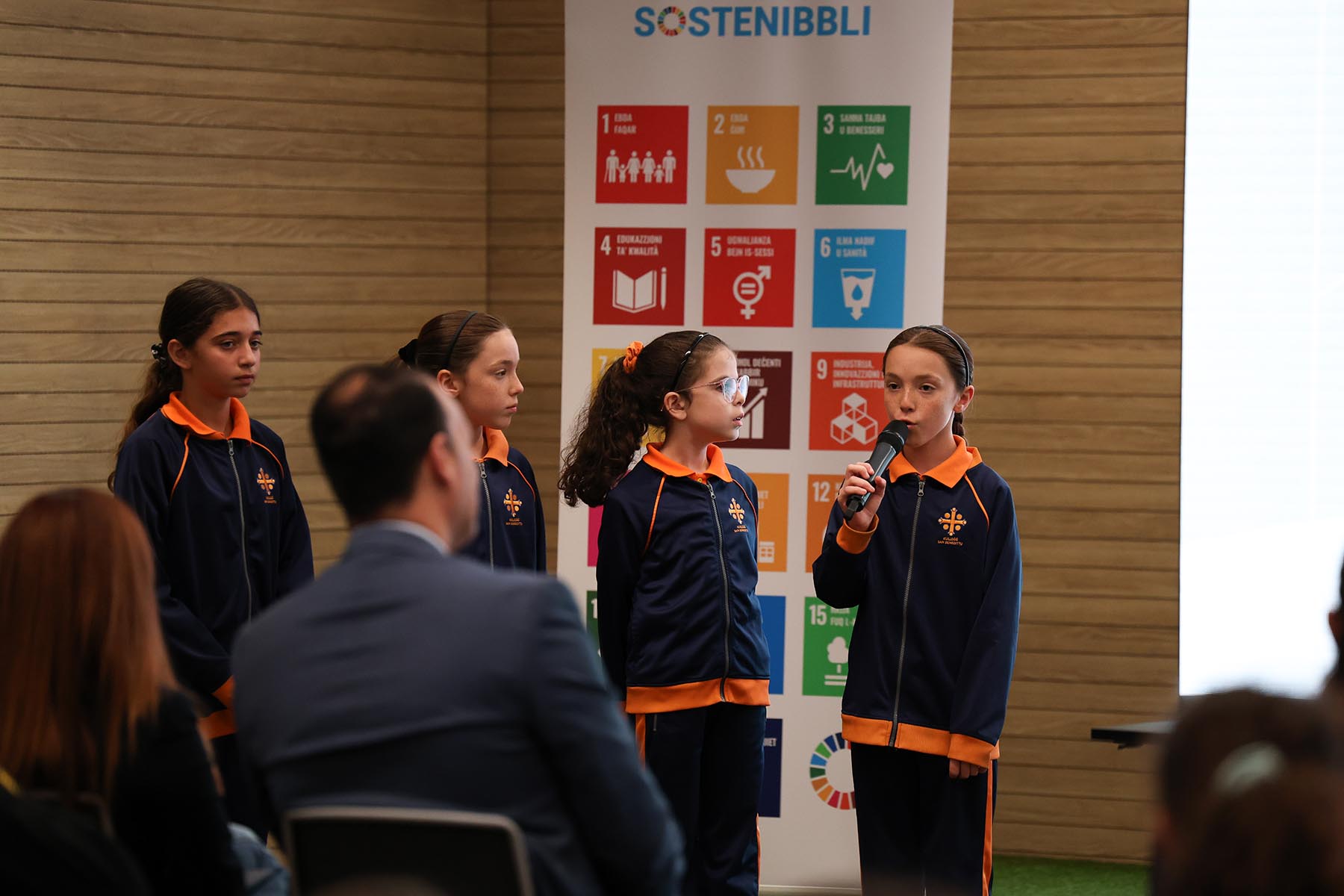
Since its launch, Football for the Goals has placed schools and Year 6 students at the heart of the initiative, empowering them to become ambassadors for sustainability within their schools and communities.
Each edition of Football for the Goals in Malta follows a structured, two-term format that combines sport, education and practical action.
How it
Works
Each edition of Football for the Goals follows a structured, school-year format combining football tournaments with hands-on sustainability projects.
Step 1: Schools & SDGs
- 17 schools are selected to participate.
- Each school is assigned one of the 17 UN Sustainable Development Goals.
- Schools receive SDG-themed materials linked to their assigned goal, helping students build a strong connection to their topic.
Step 2: Kick-off Tournament
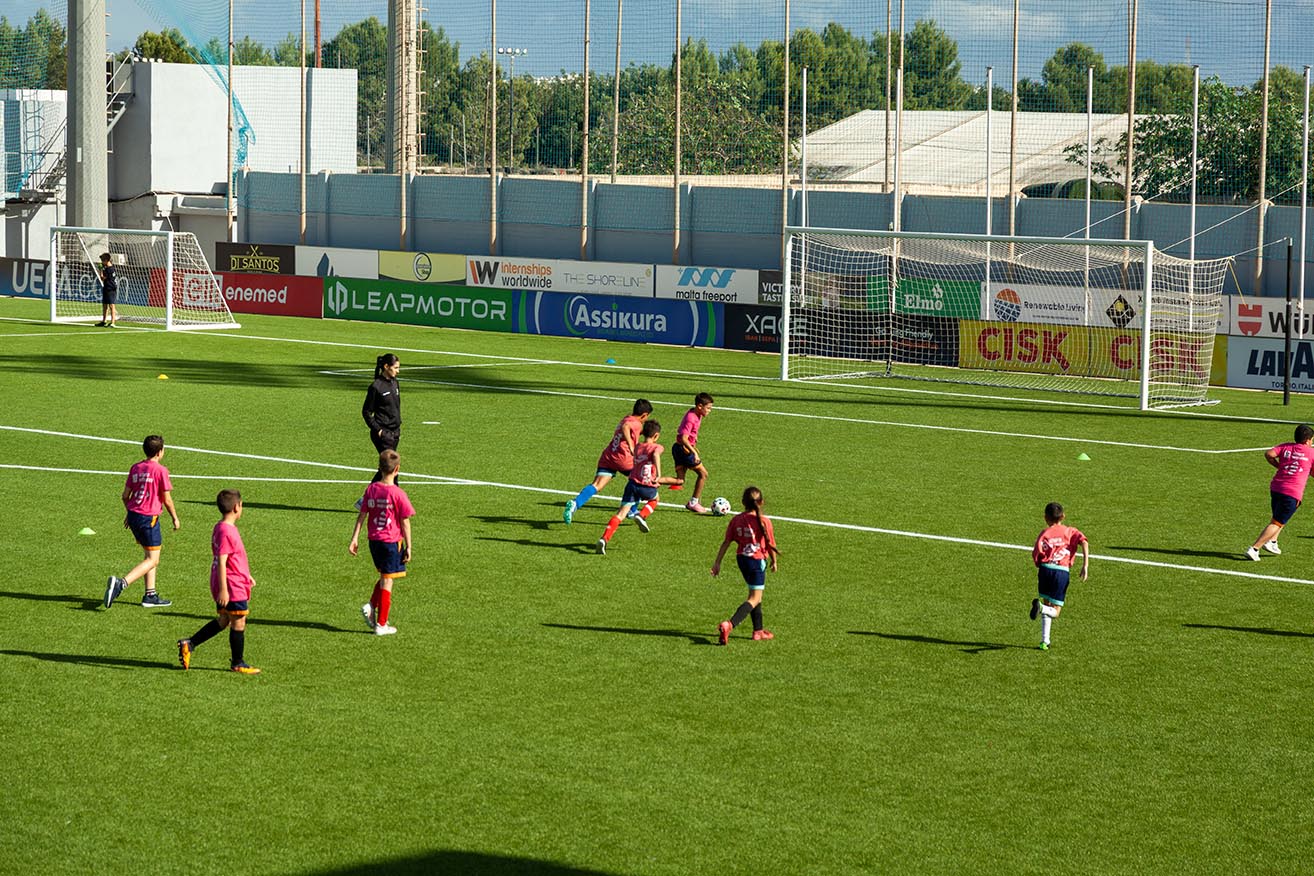
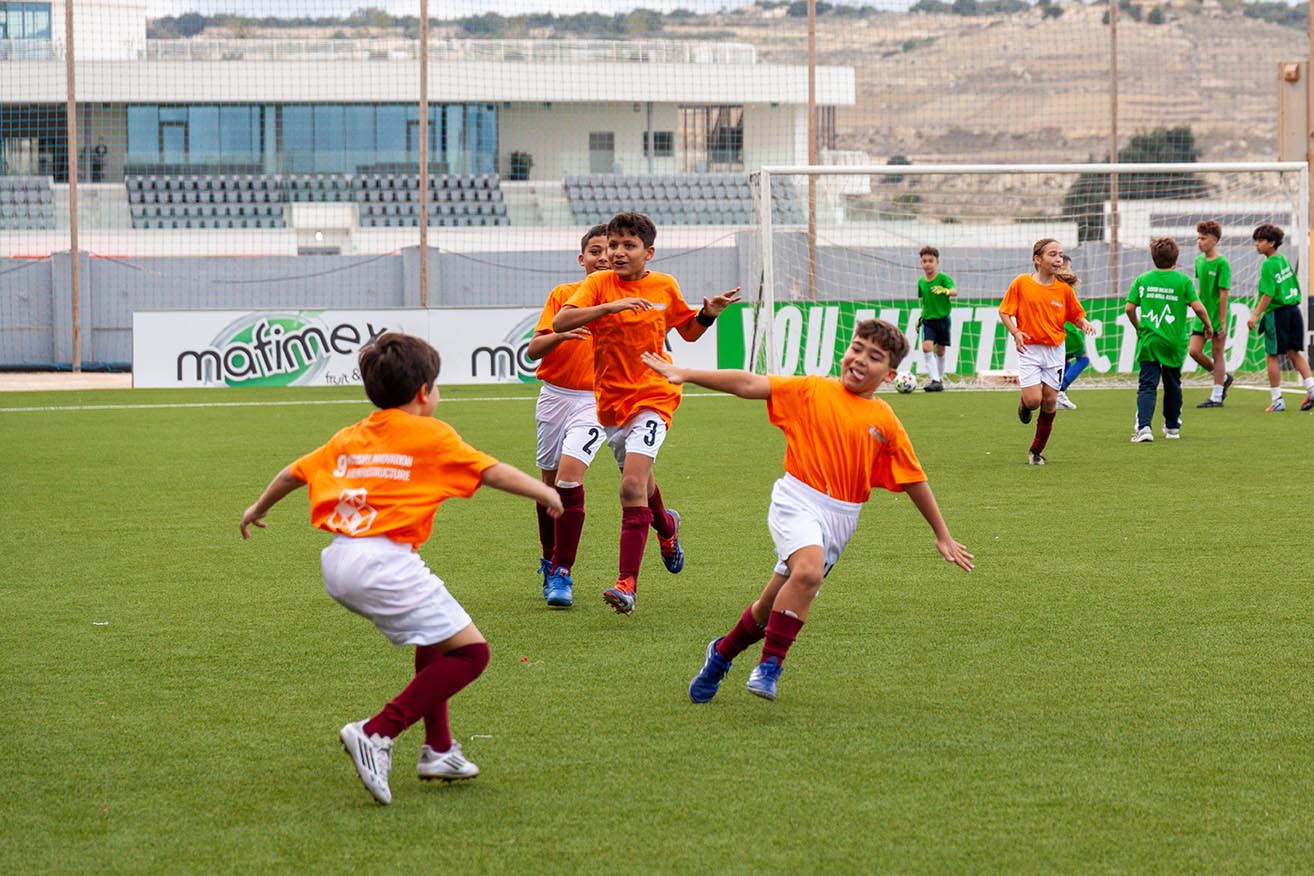
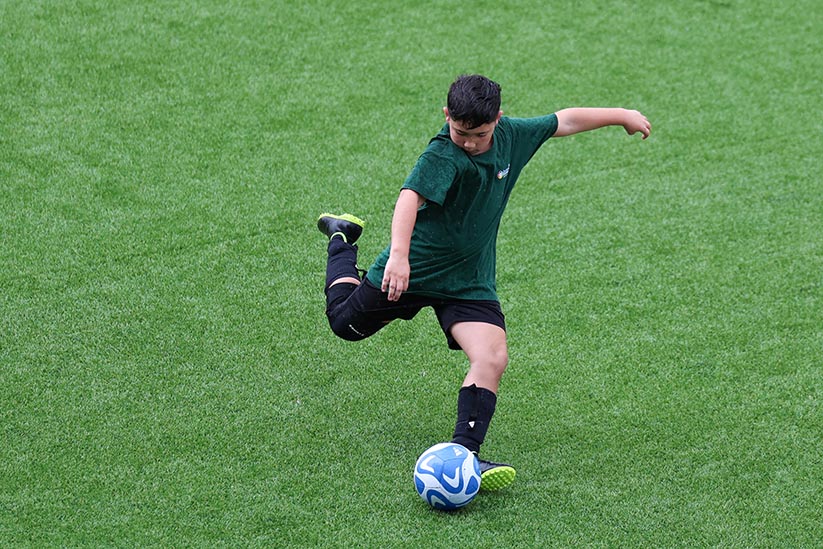
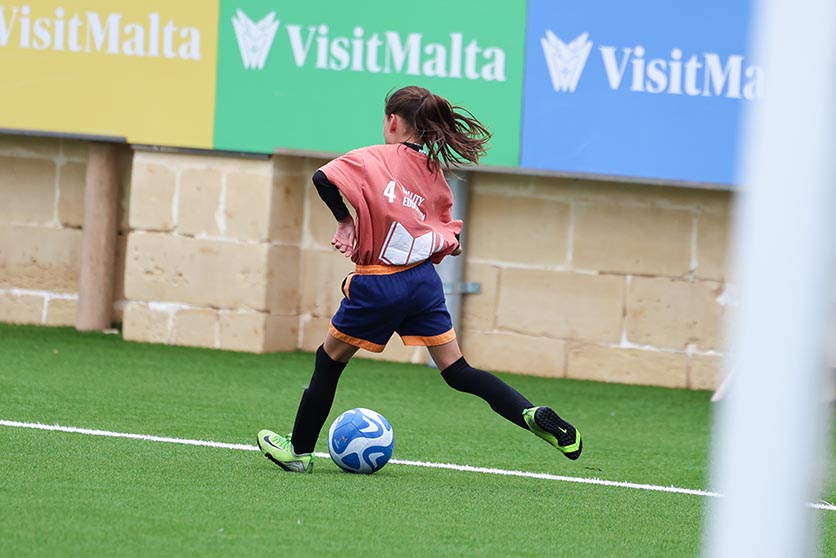
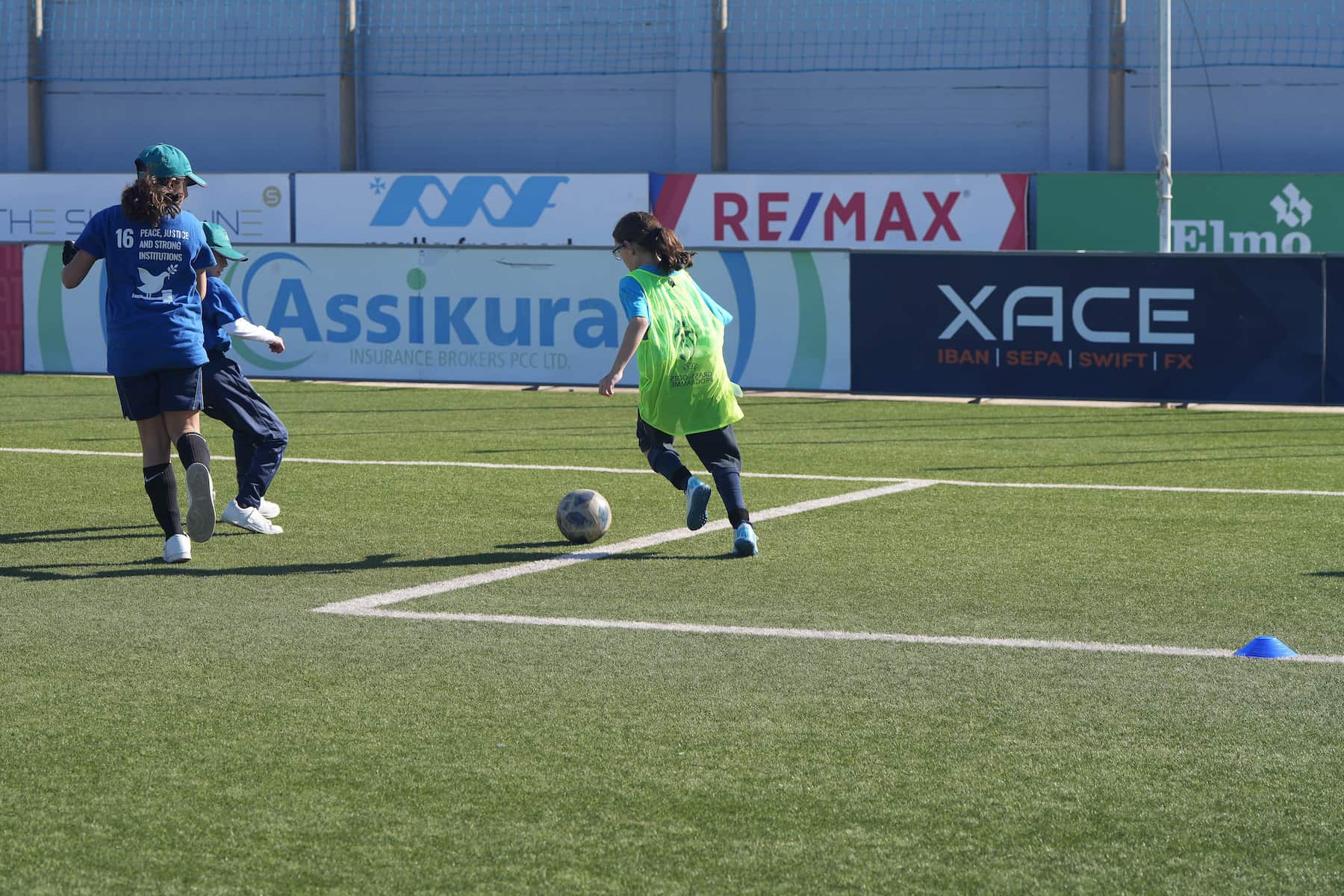
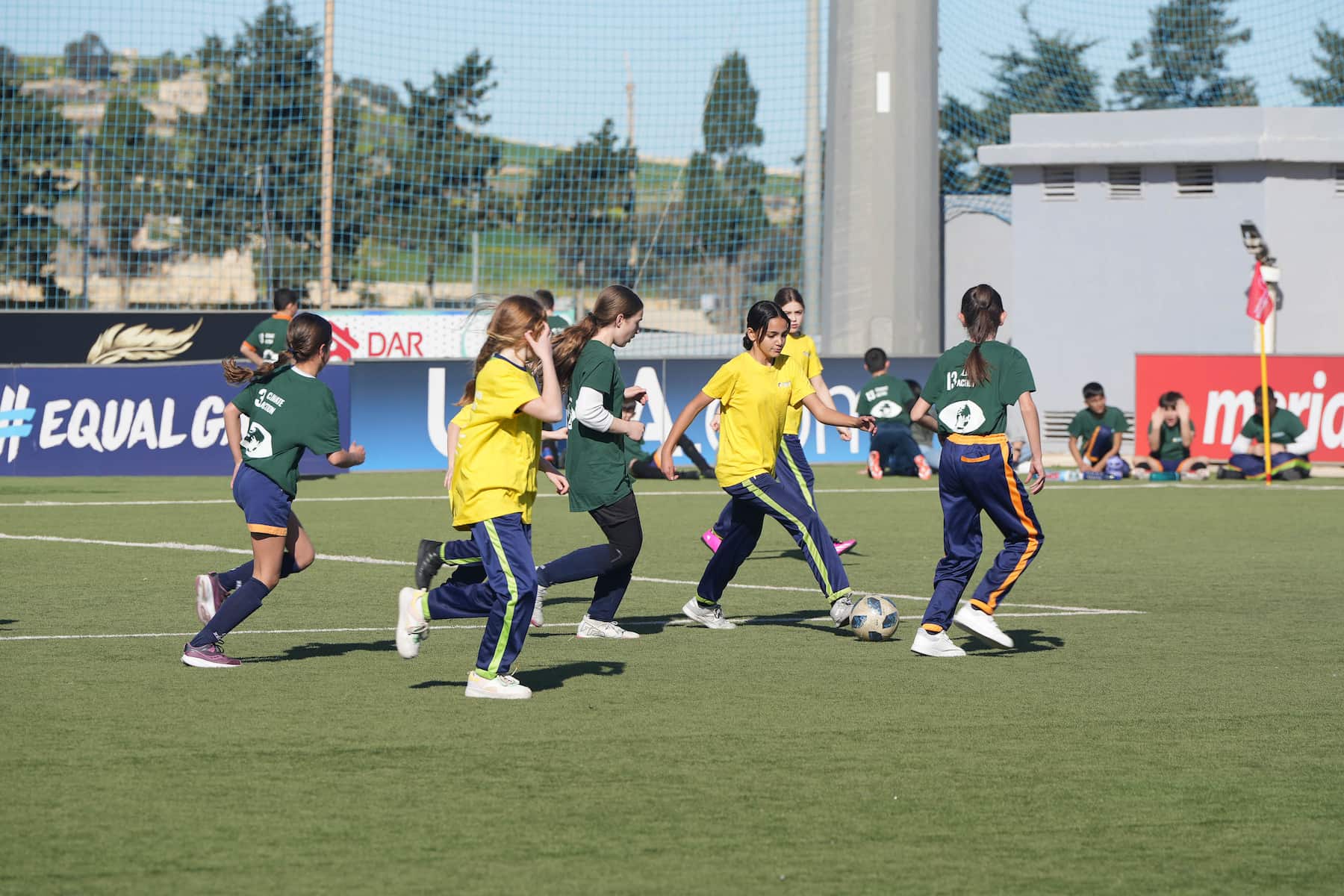
The programme begins with a football tournament during the first school term, bringing together all participating schools in a spirit of teamwork, inclusion and fair play.
Step 3: Learning the SDGs
Following the tournament, students:
- explore their assigned SDG through projects and initiatives,
- learn about global sustainability challenges and local relevance,
- receive guidance and educational resources to support understanding and planning.
This phase helps students connect sport with learning and real-world issues.
Step 4: Celebrating Sport and Impact
In the second term, the programme concludes with:
- a final football tournament, and
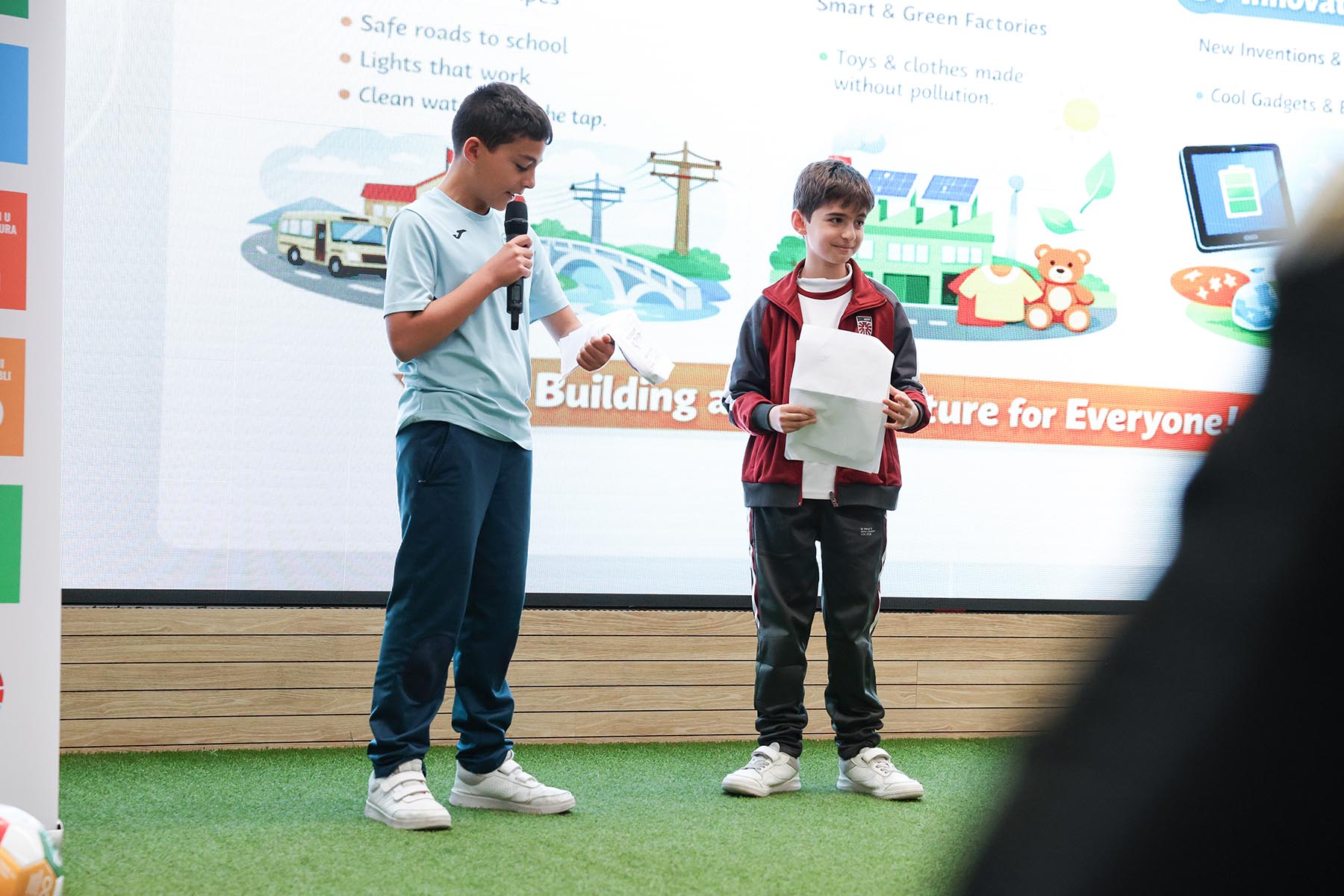
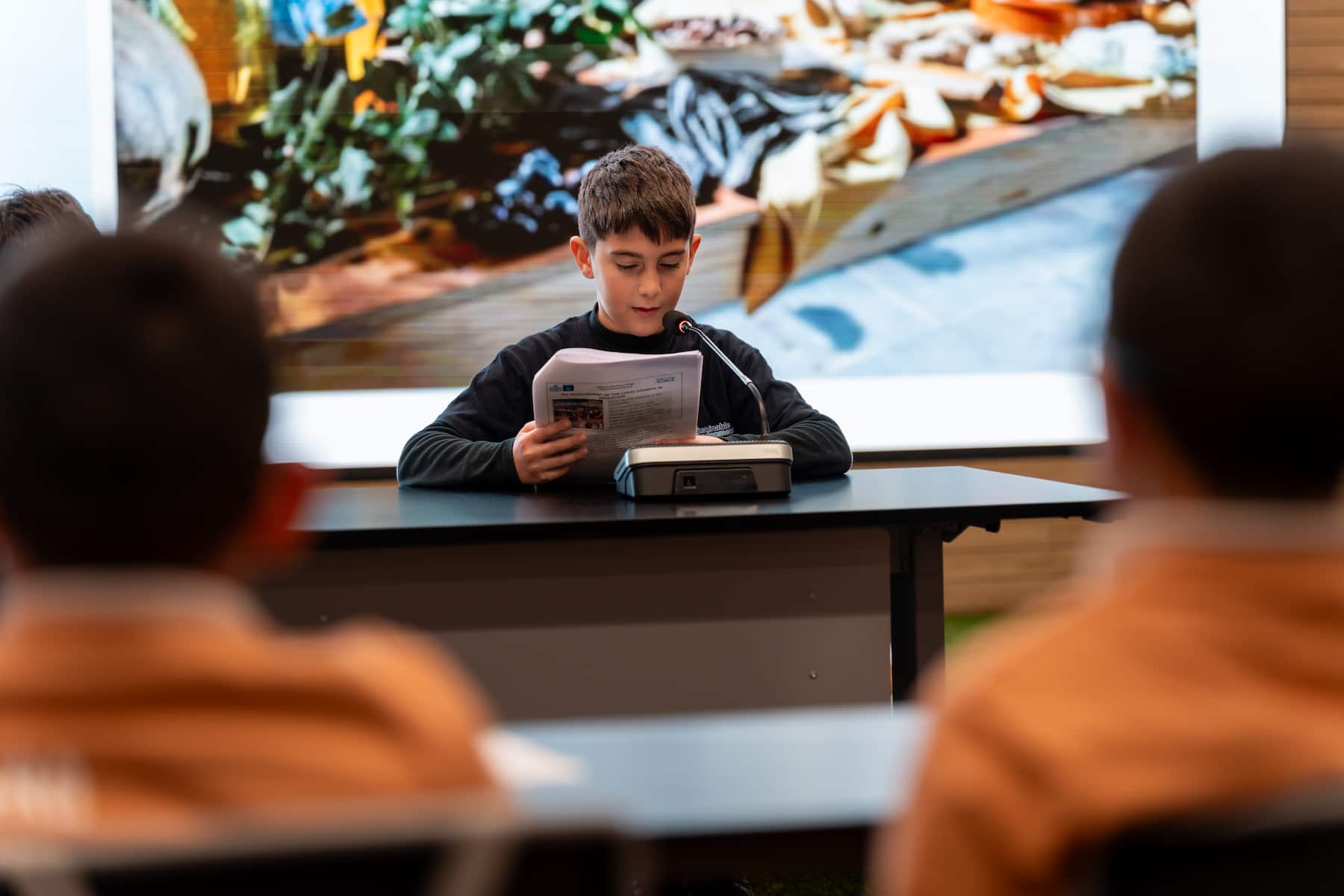
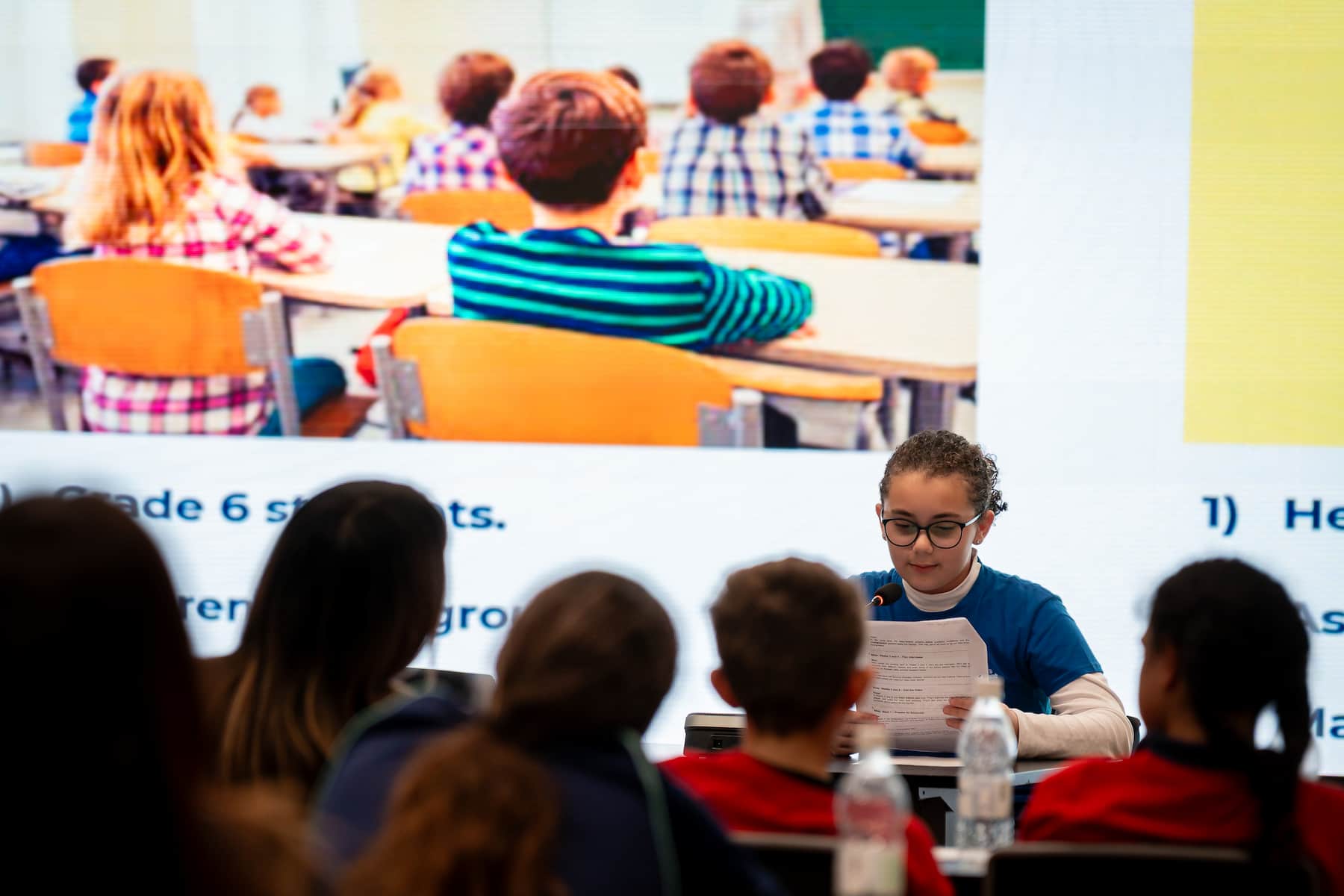
- student presentations showcasing each school’s SDG project.
During the presentations, students explain:
- the SDG they worked on,
- the problem they addressed,
- the action taken and the impact achieved.
2024/2025 Edition
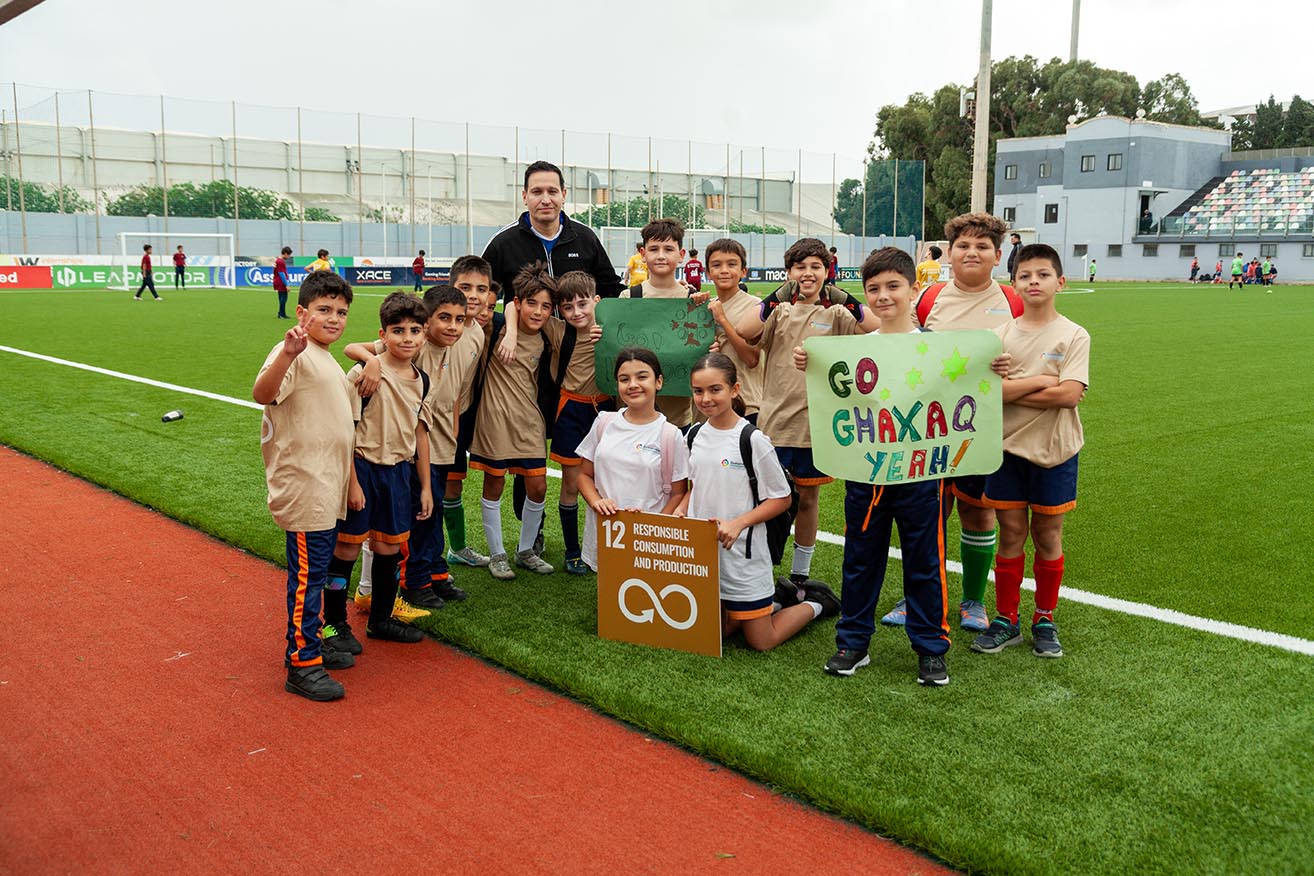
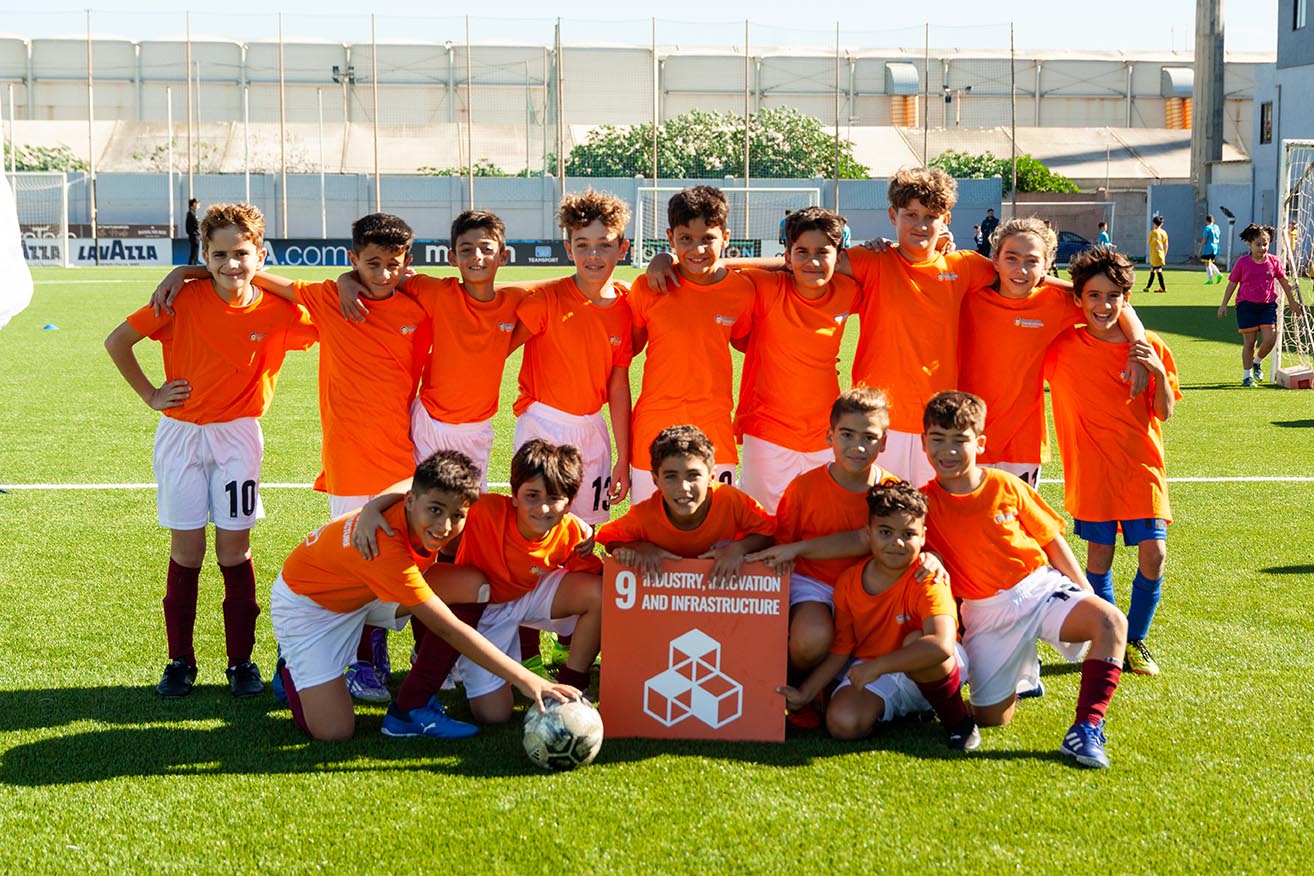
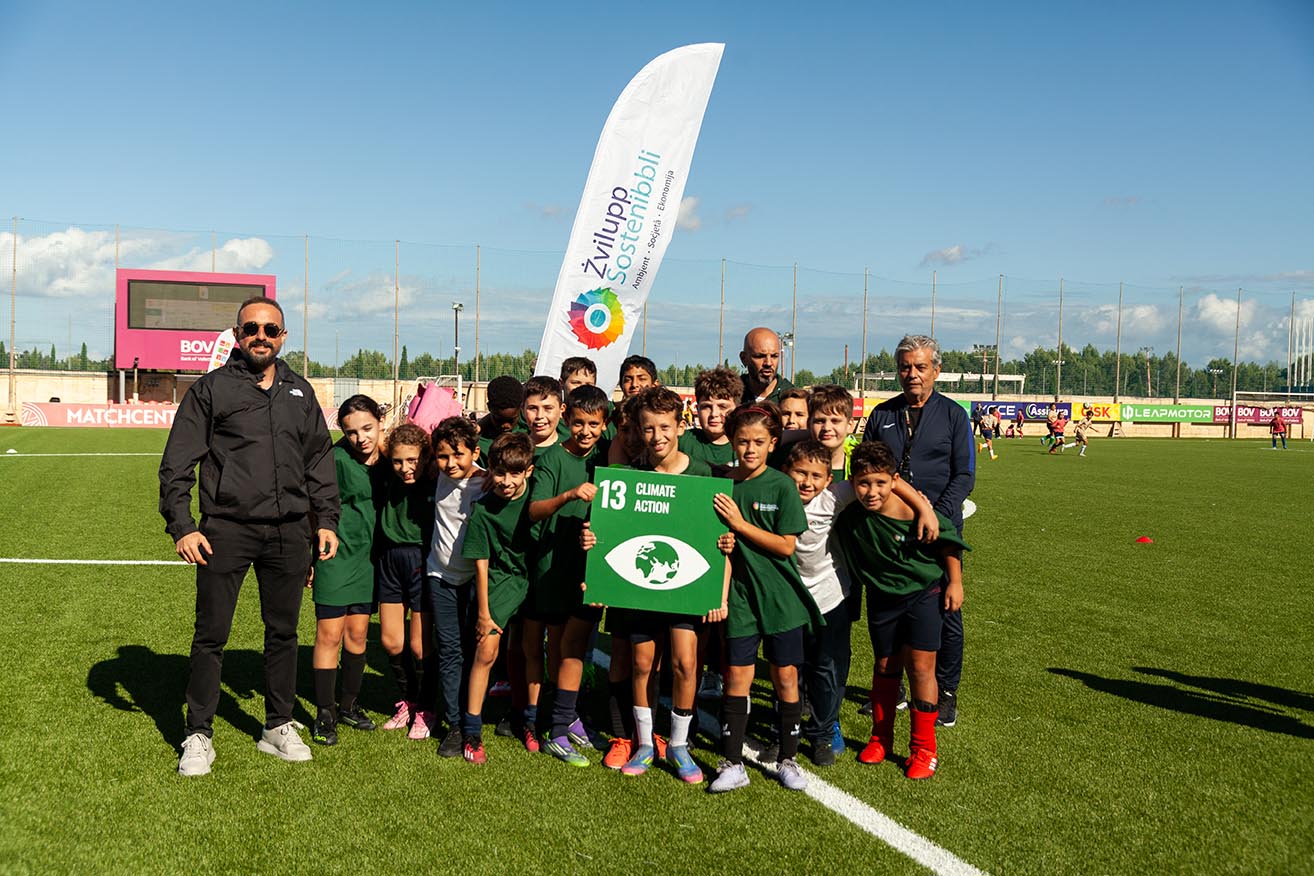
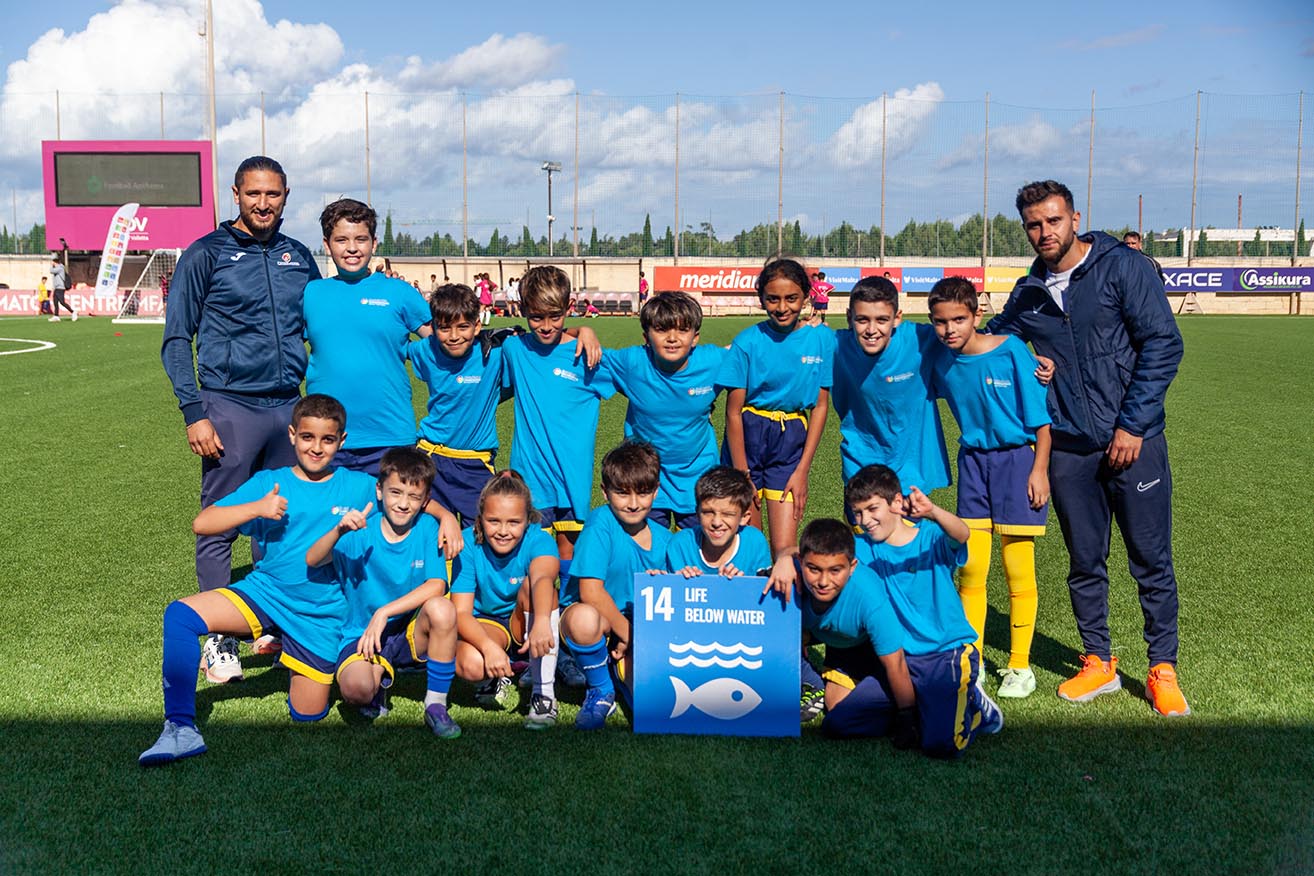
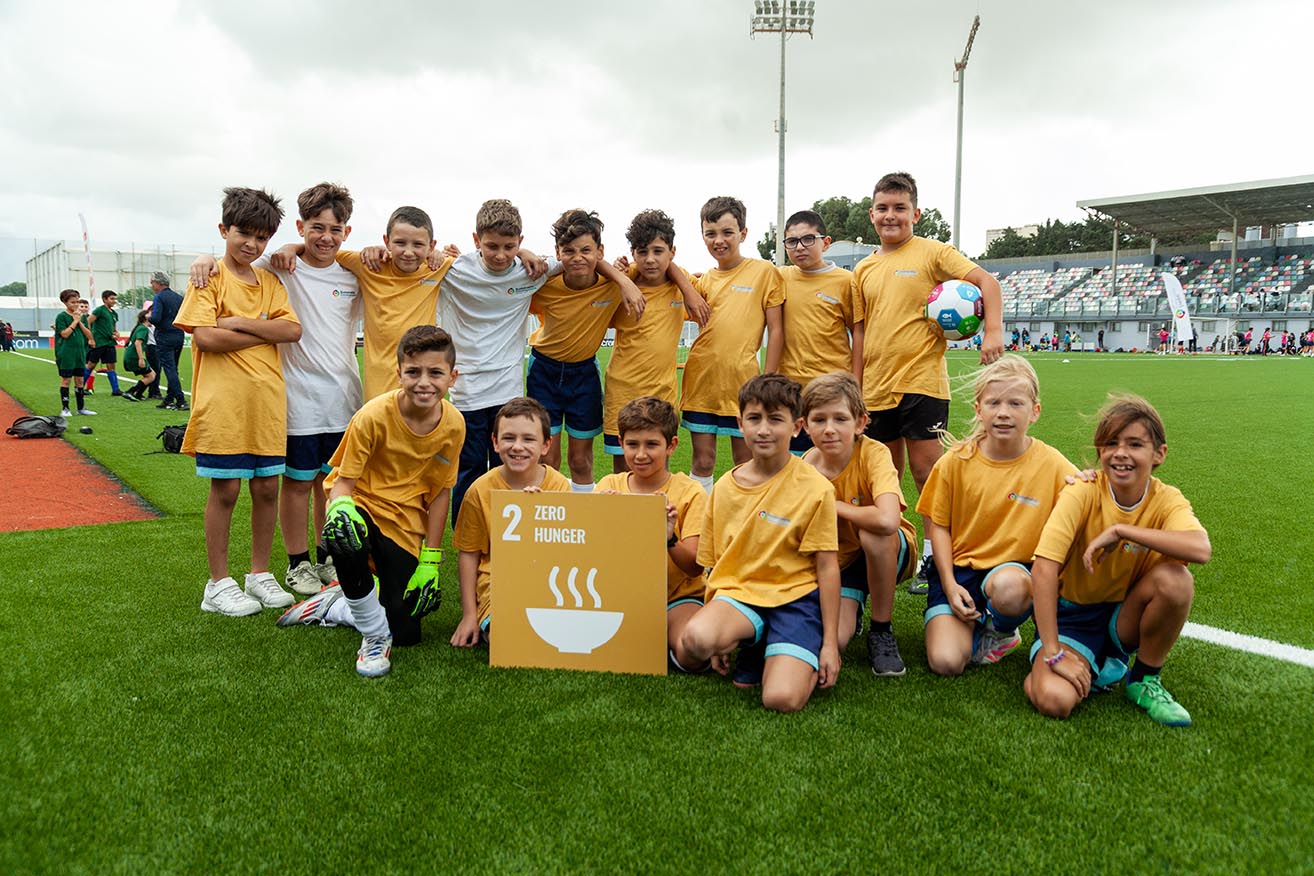
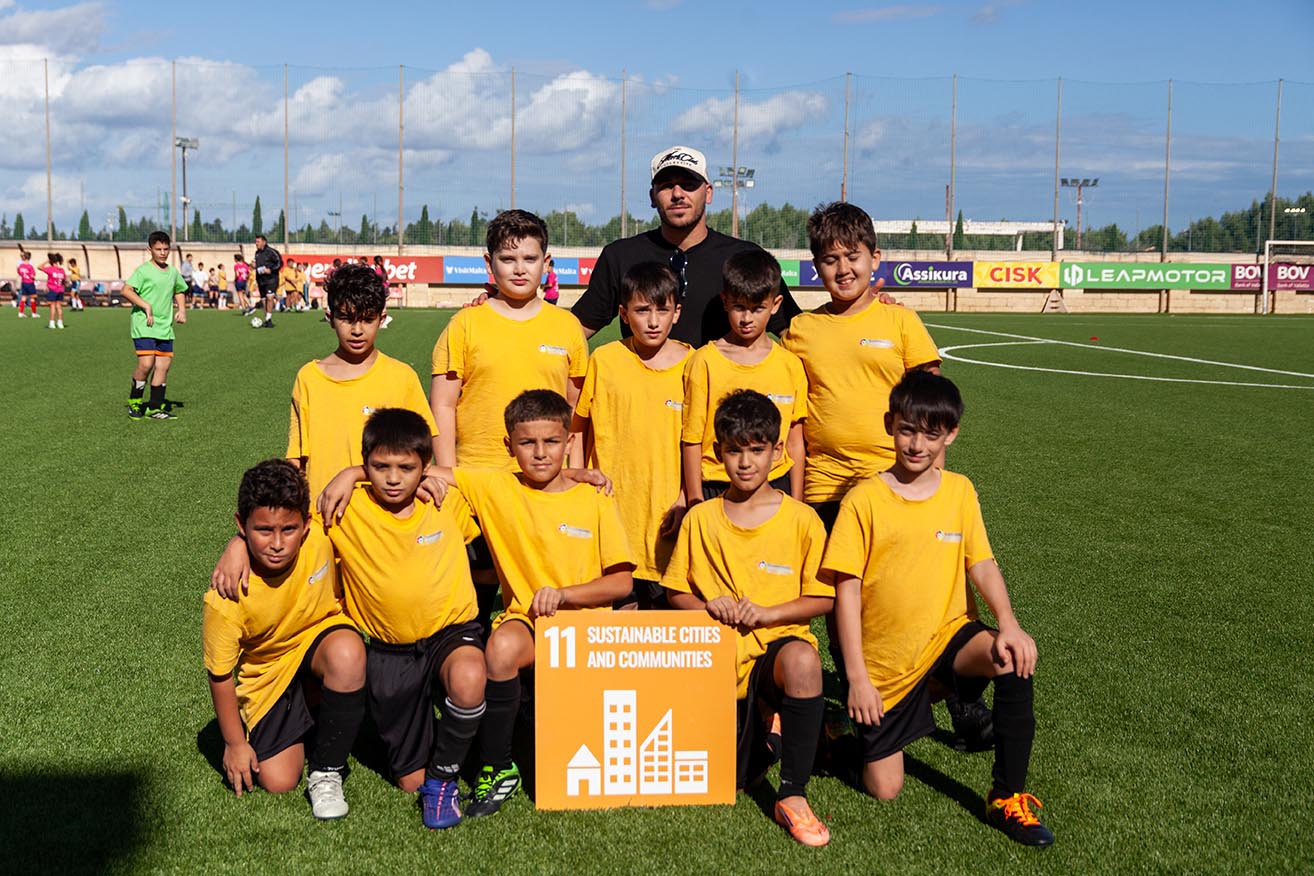
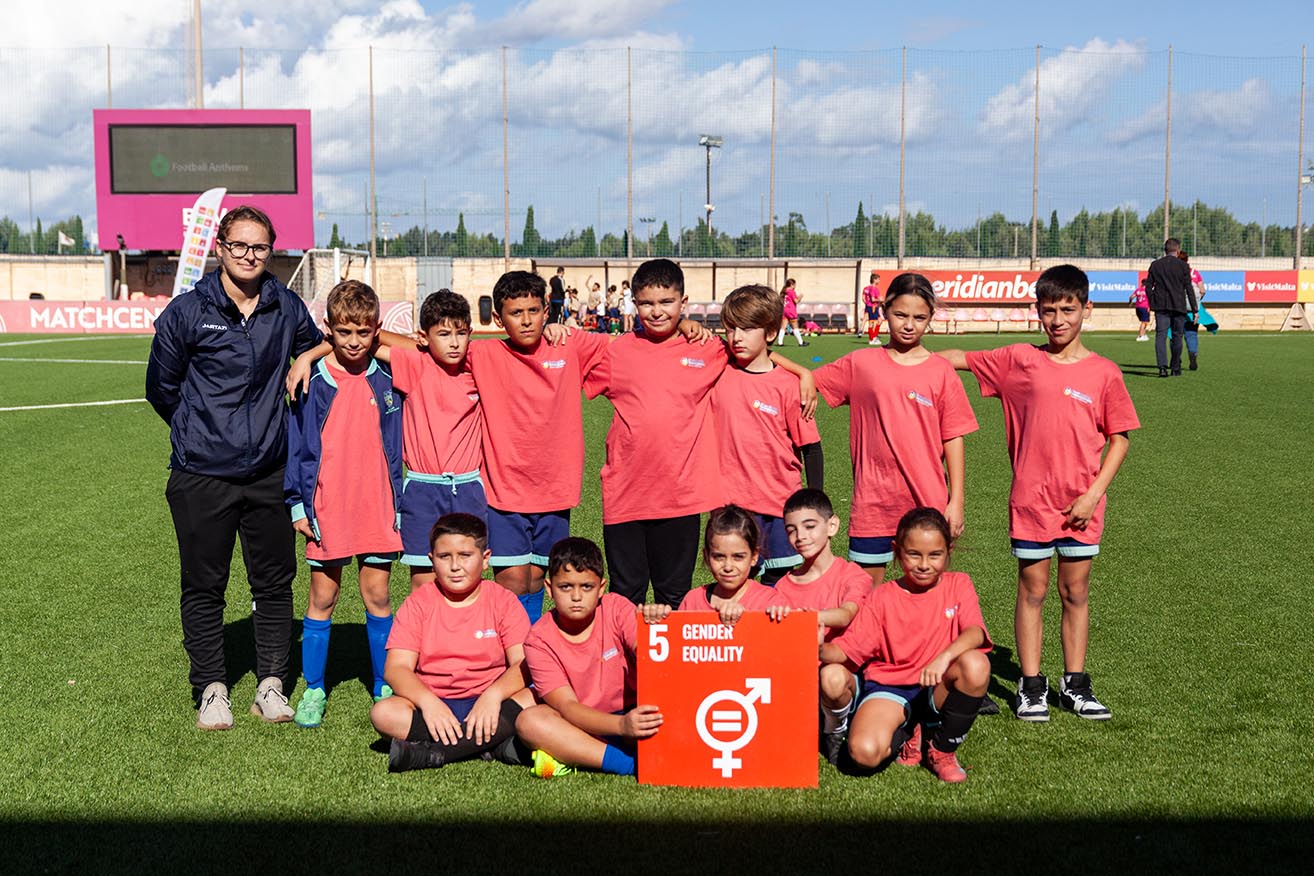
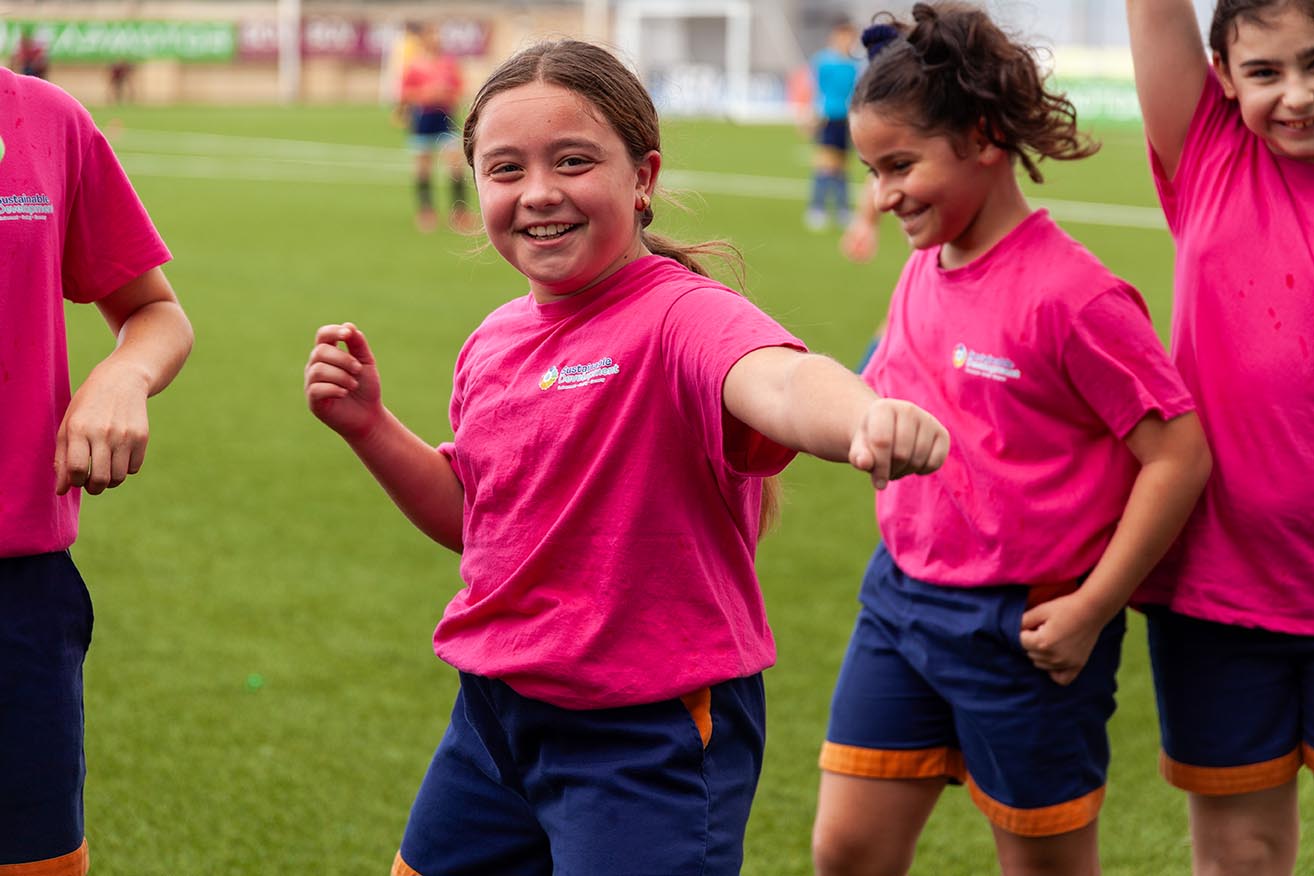
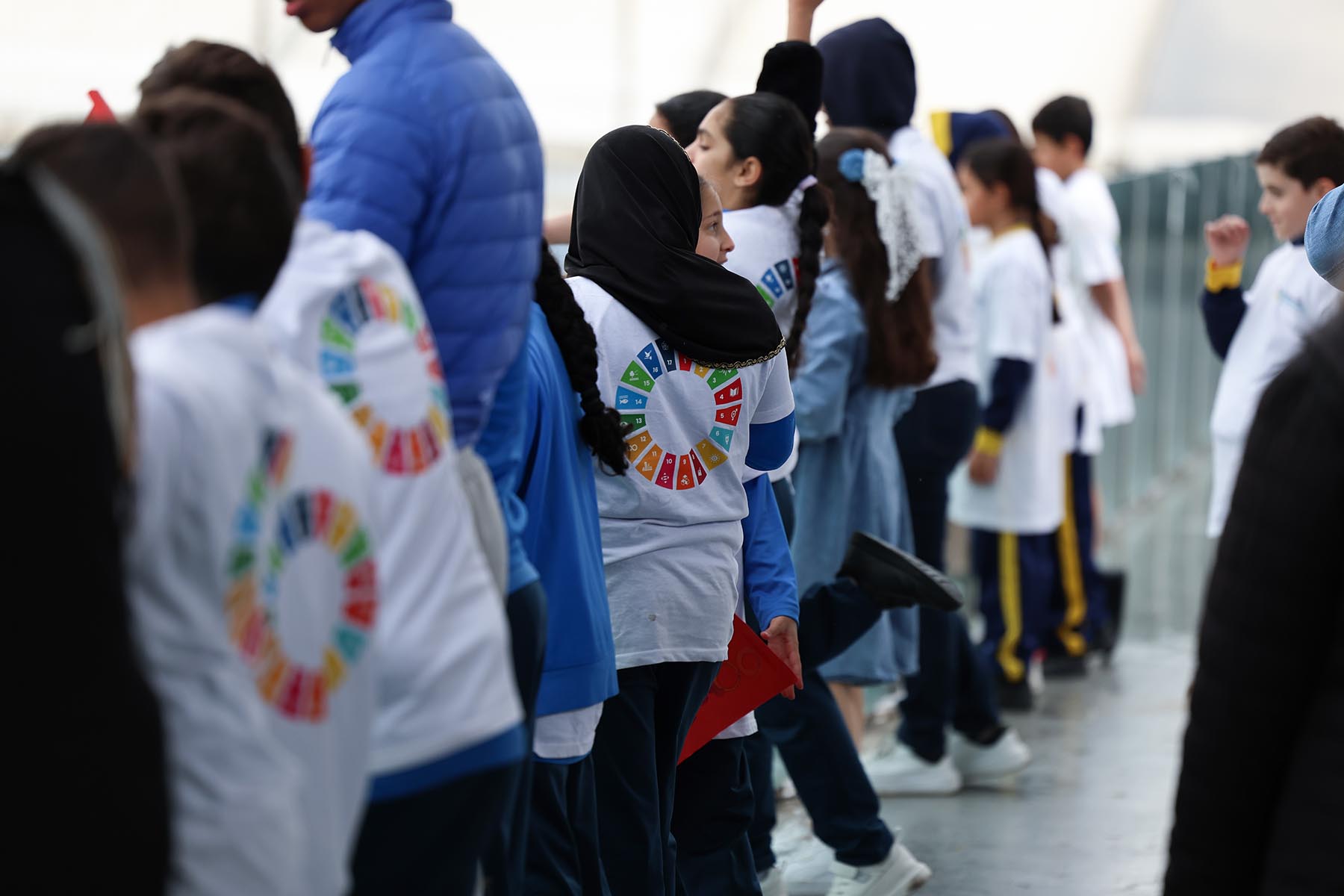
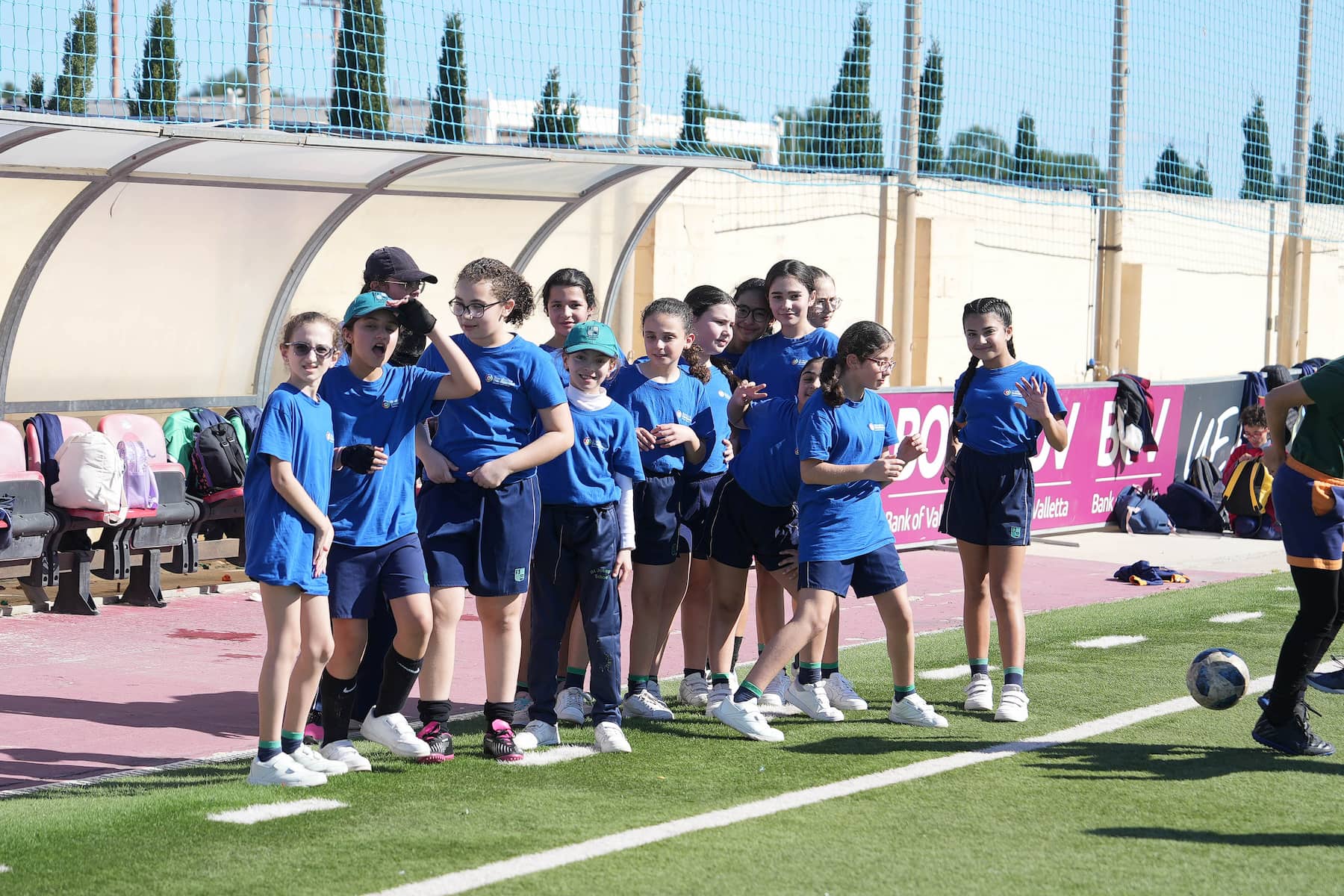
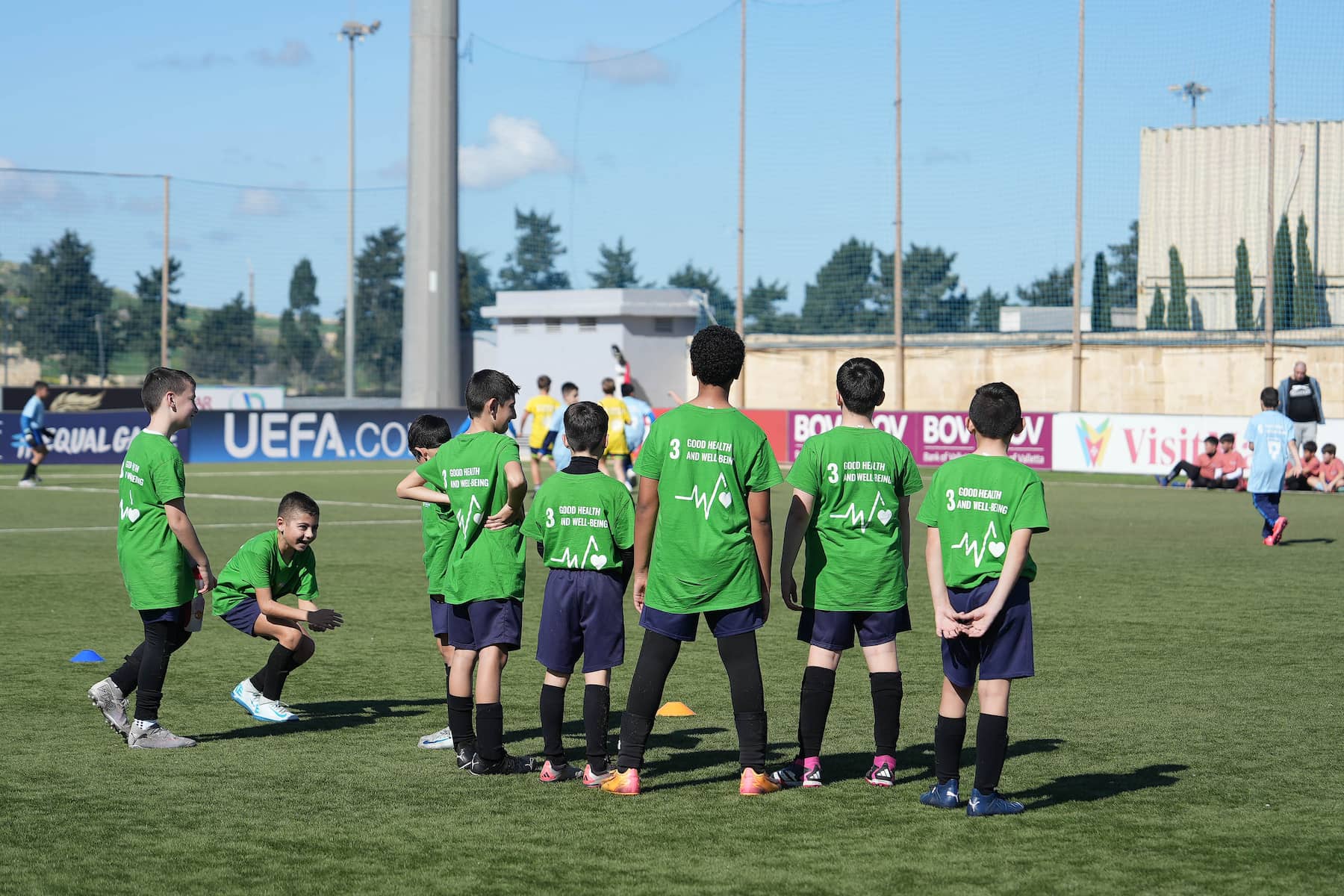
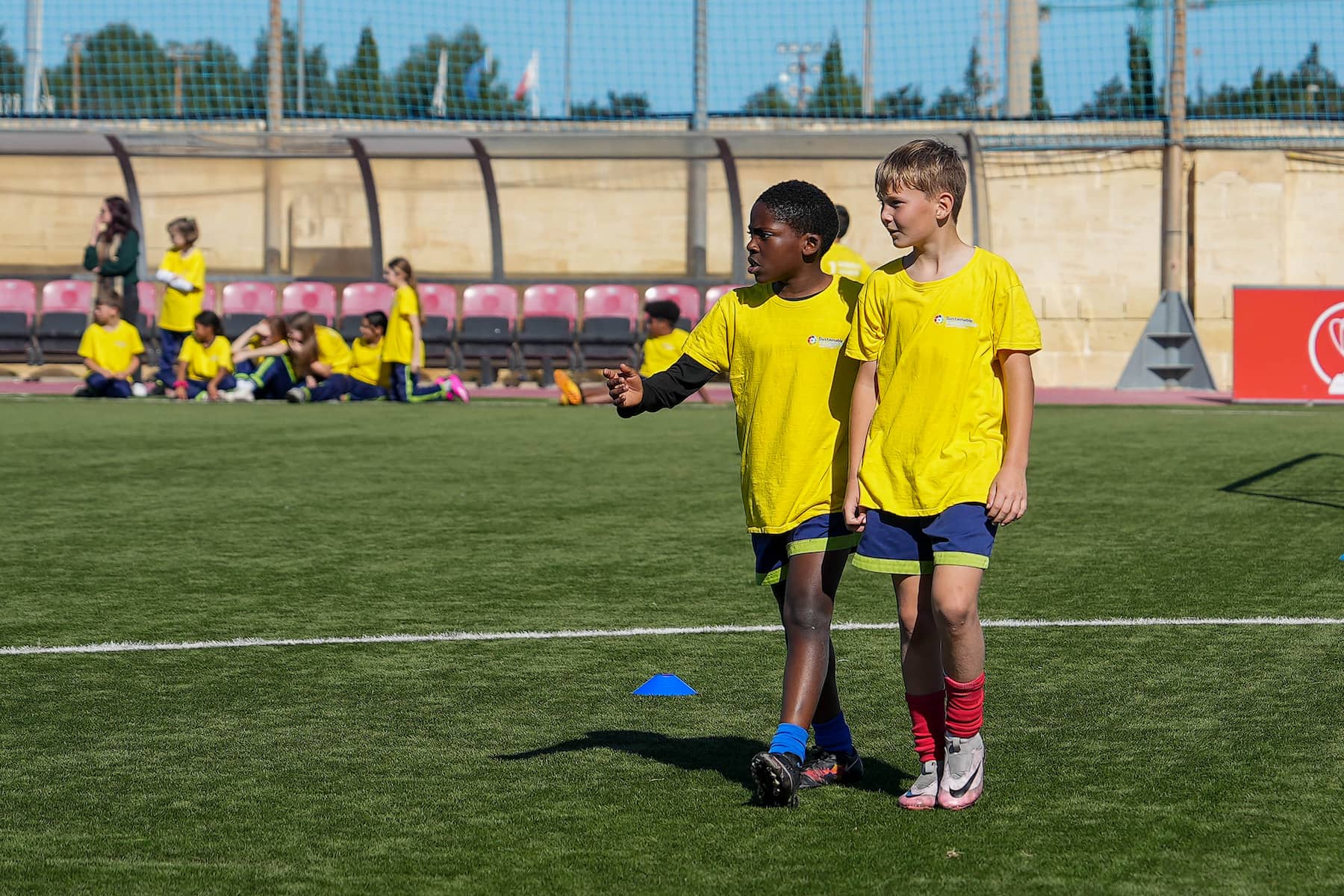
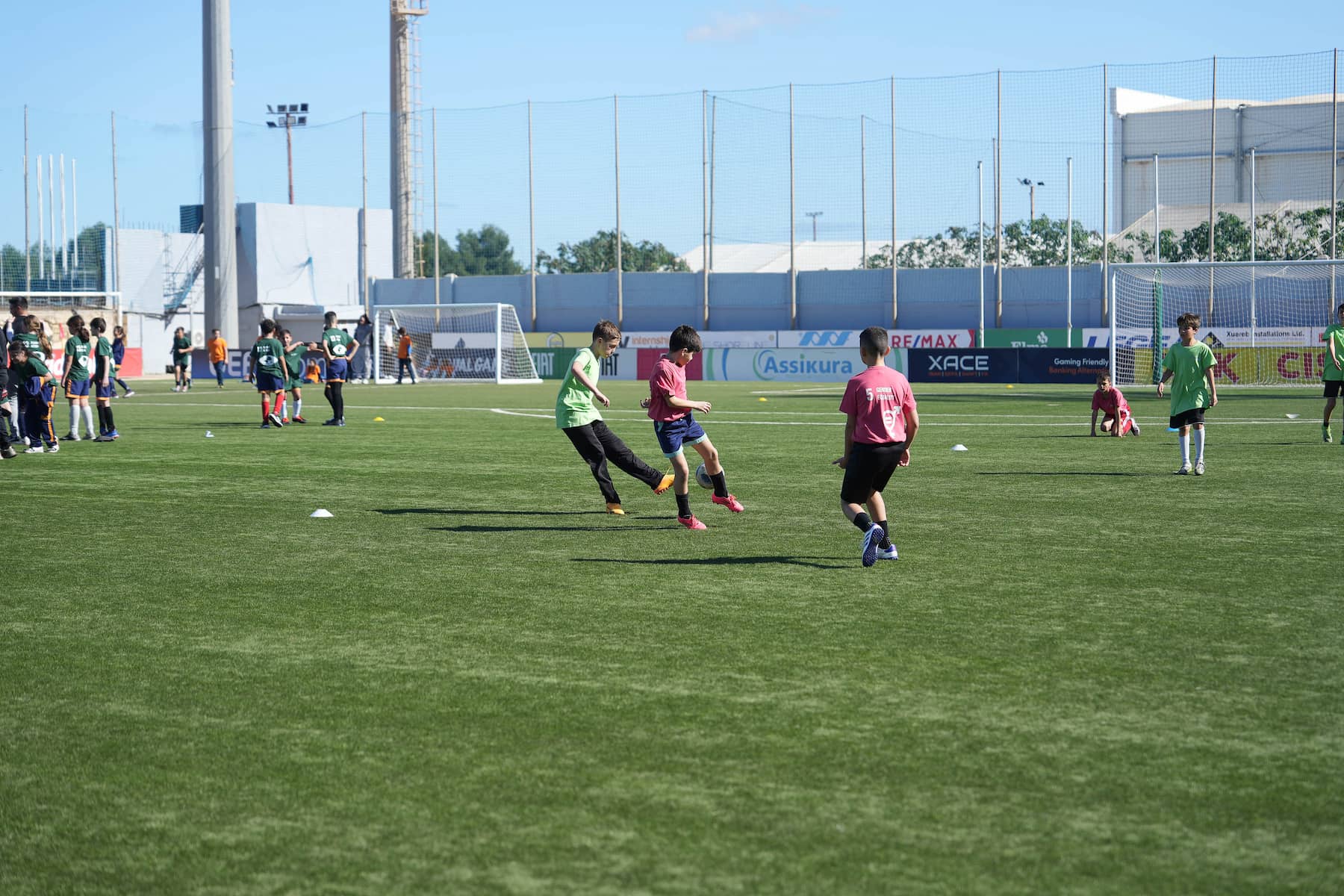
Launched in October 2024, the Football for the Goals initiative brought together 17 classes from 15 schools across Malta in a dynamic fusion of sport and sustainability. Each team was assigned one of the 17 UN Sustainable Development Goals (SDGs) and proudly represented it through specially branded SDG T-shirts, fostering both identity and purpose from the outset.
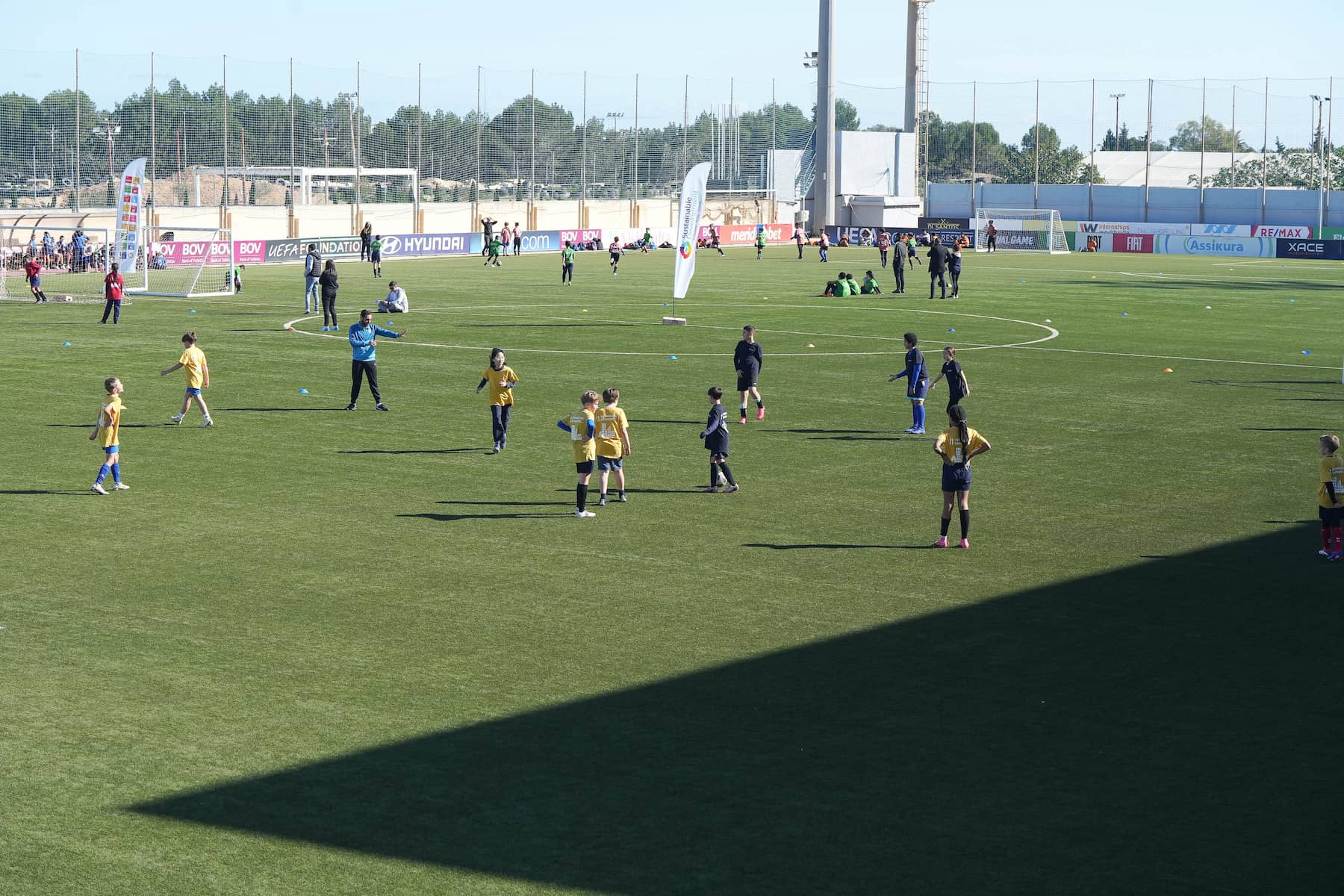
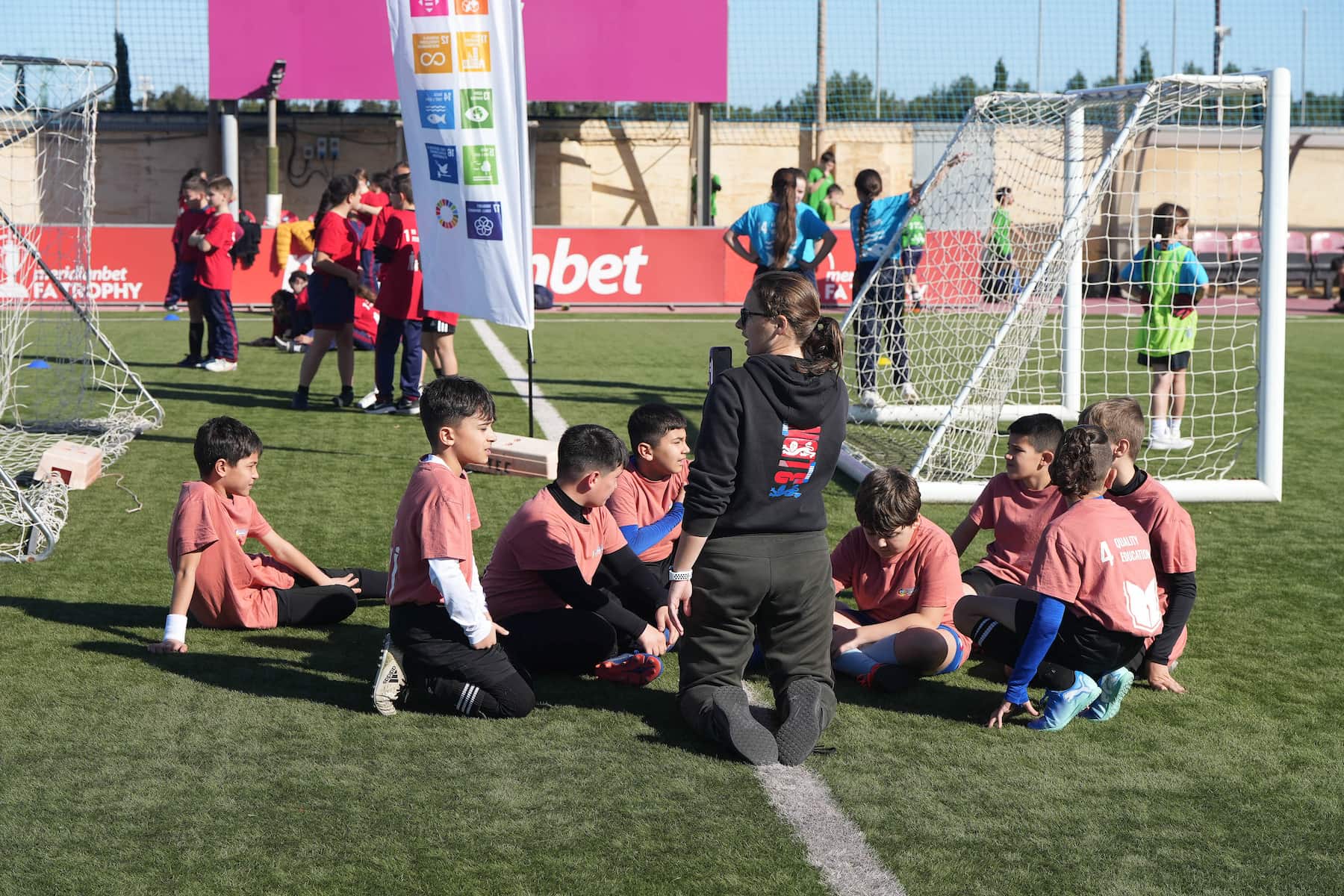
Running until February 2025, the programme kicked off with two high-energy tournament days at the Centenary Stadium on 25 and 26 November 2024. Beyond the pitch, the Sustainable Development Division collaborated closely with participating schools, providing tailored resources and guidance sessions to support students in exploring their assigned SDGs and developing meaningful, school-based initiatives.
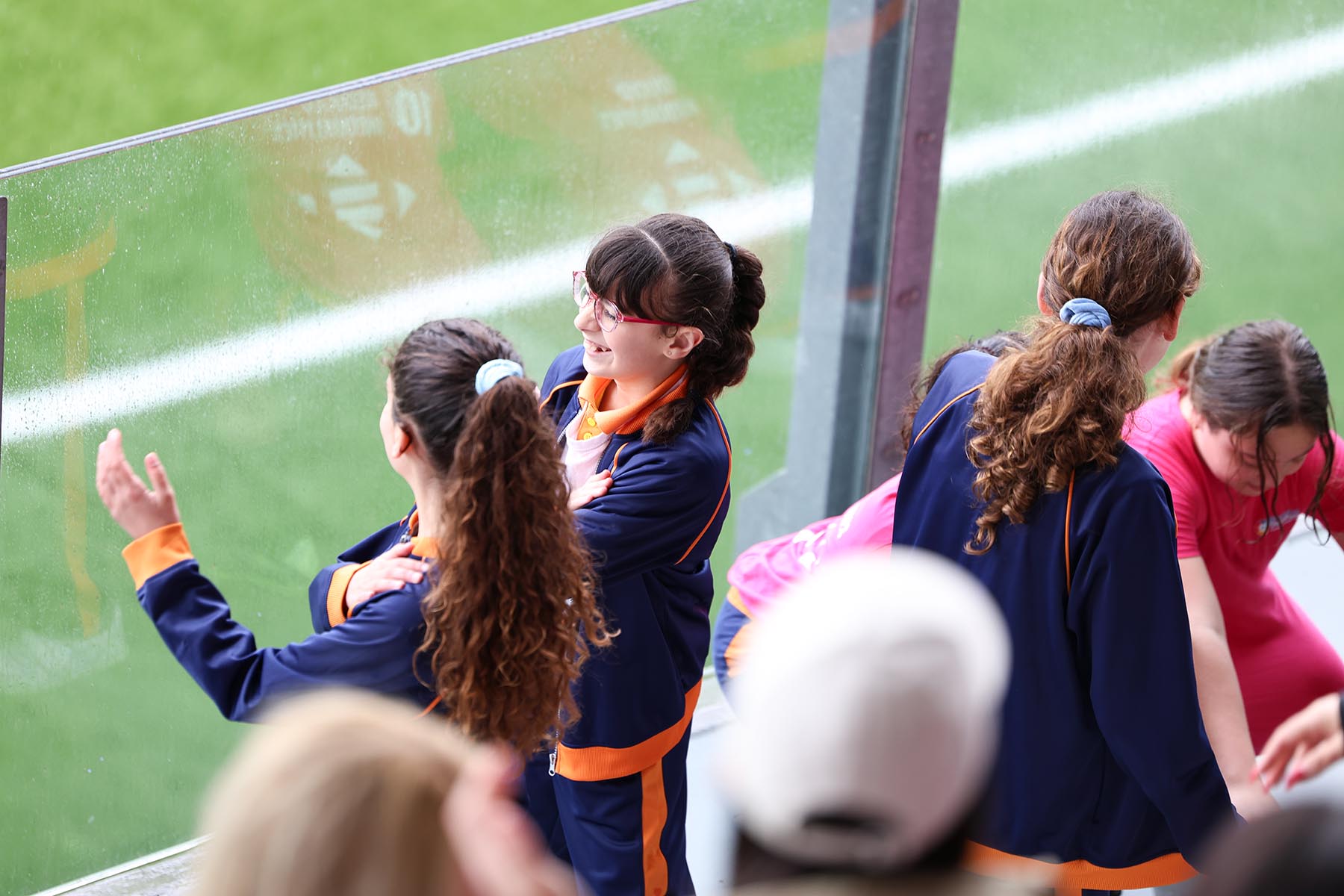
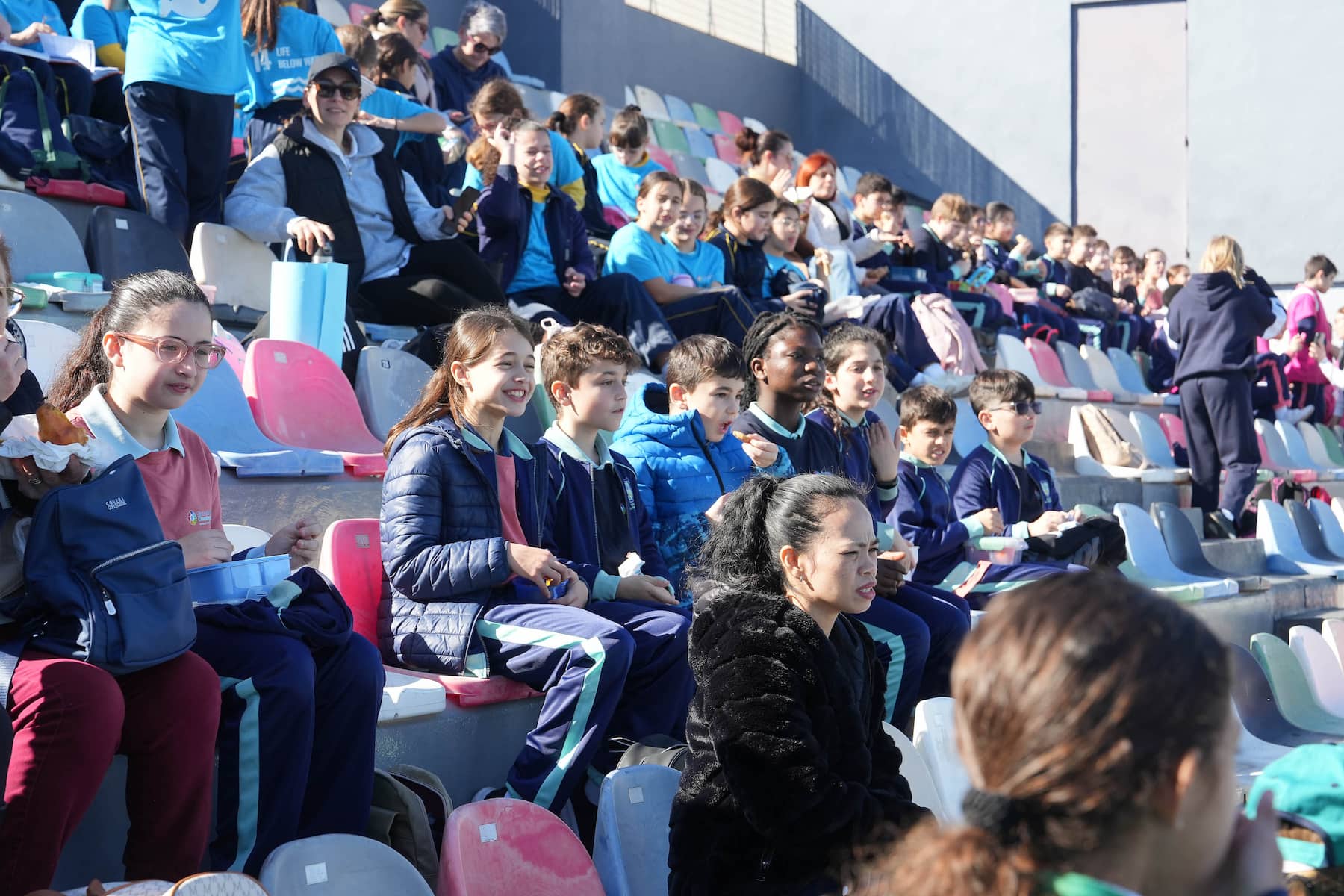
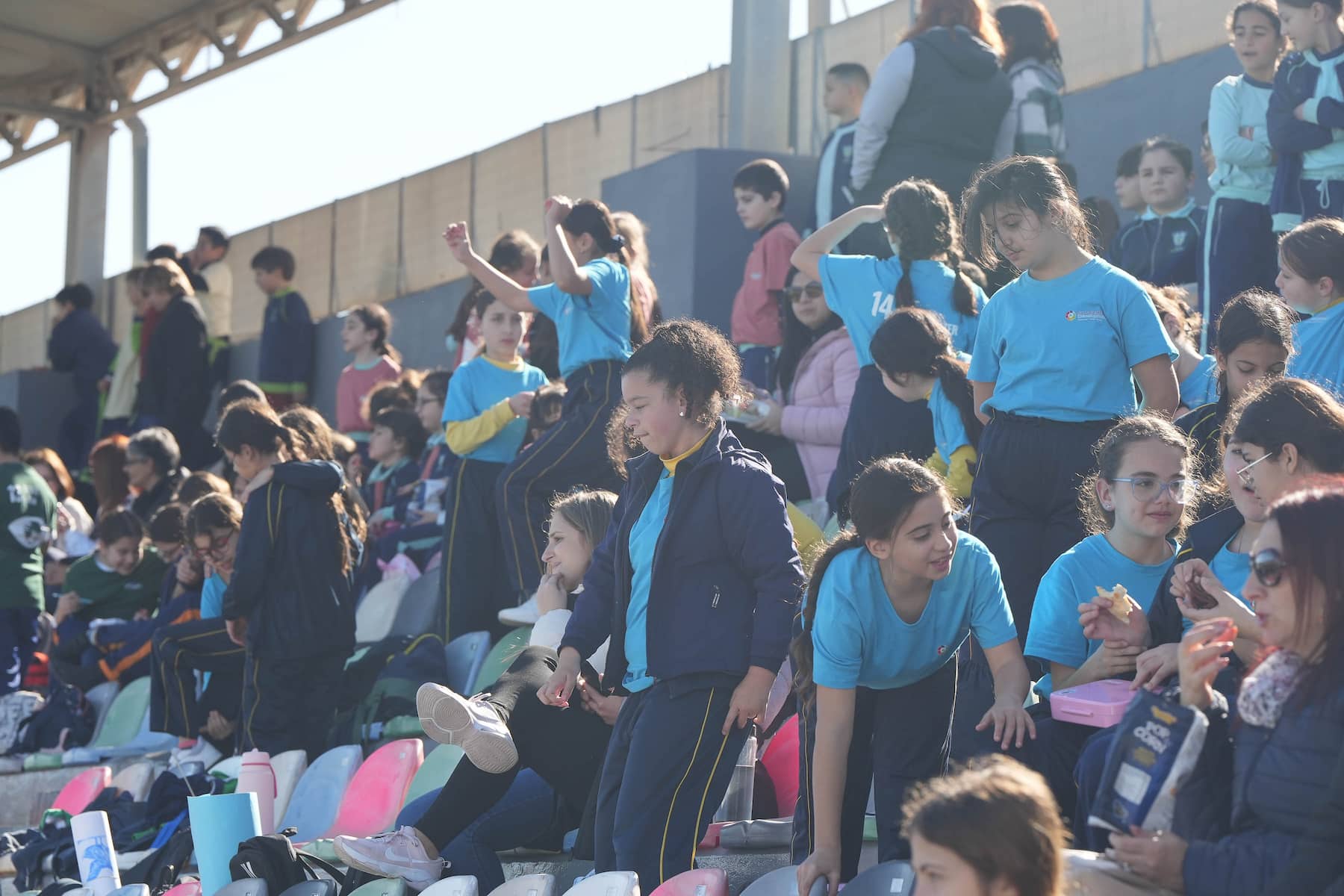
The initiative culminated in a showcase of student innovation and commitment, with participants delivering impactful presentations on 3 February 2025, followed by a vibrant final tournament day on 4 February, where the stands came alive with enthusiastic support from peers, celebrating both sporting excellence and sustainable action.
| SDG | School | Project Title | Description |
|---|---|---|---|
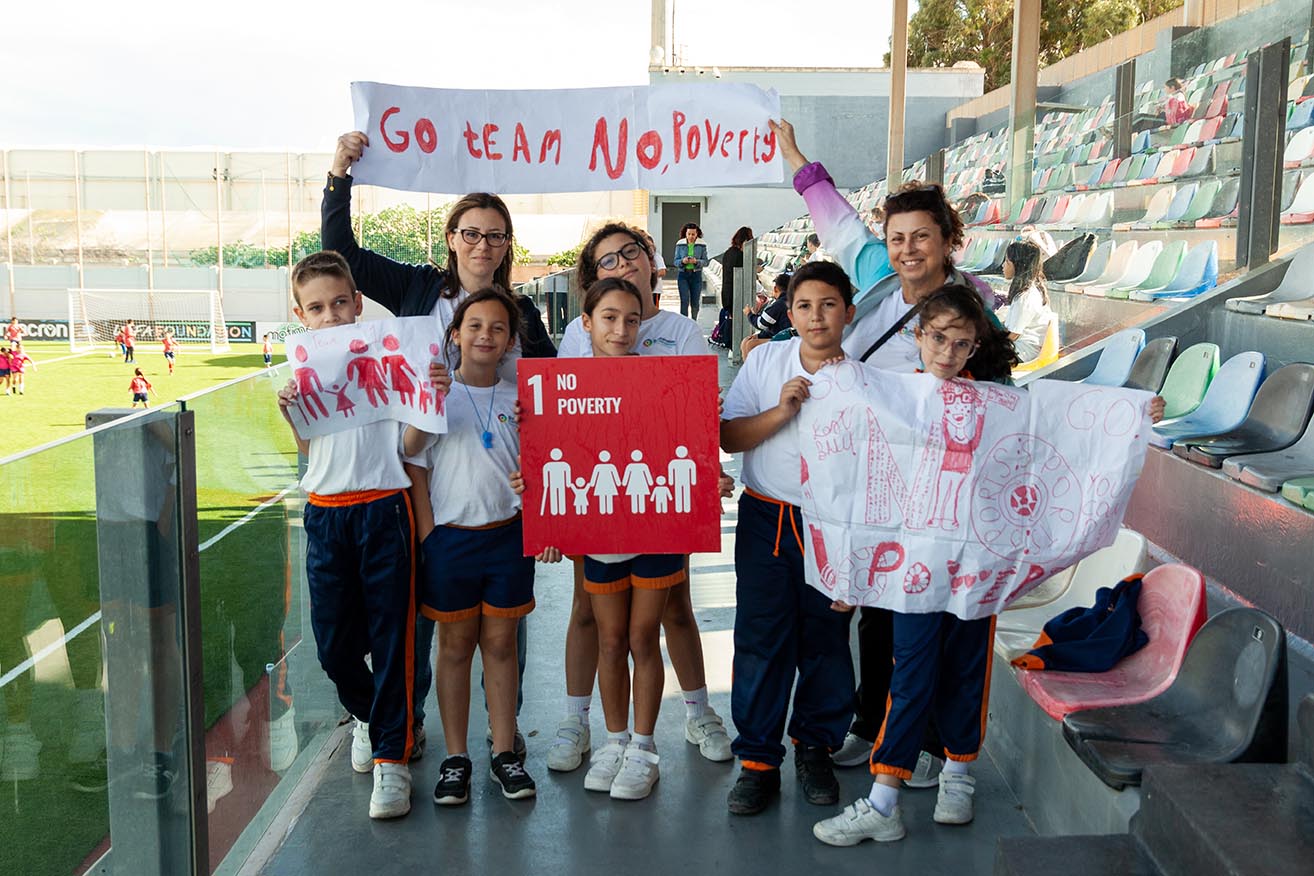
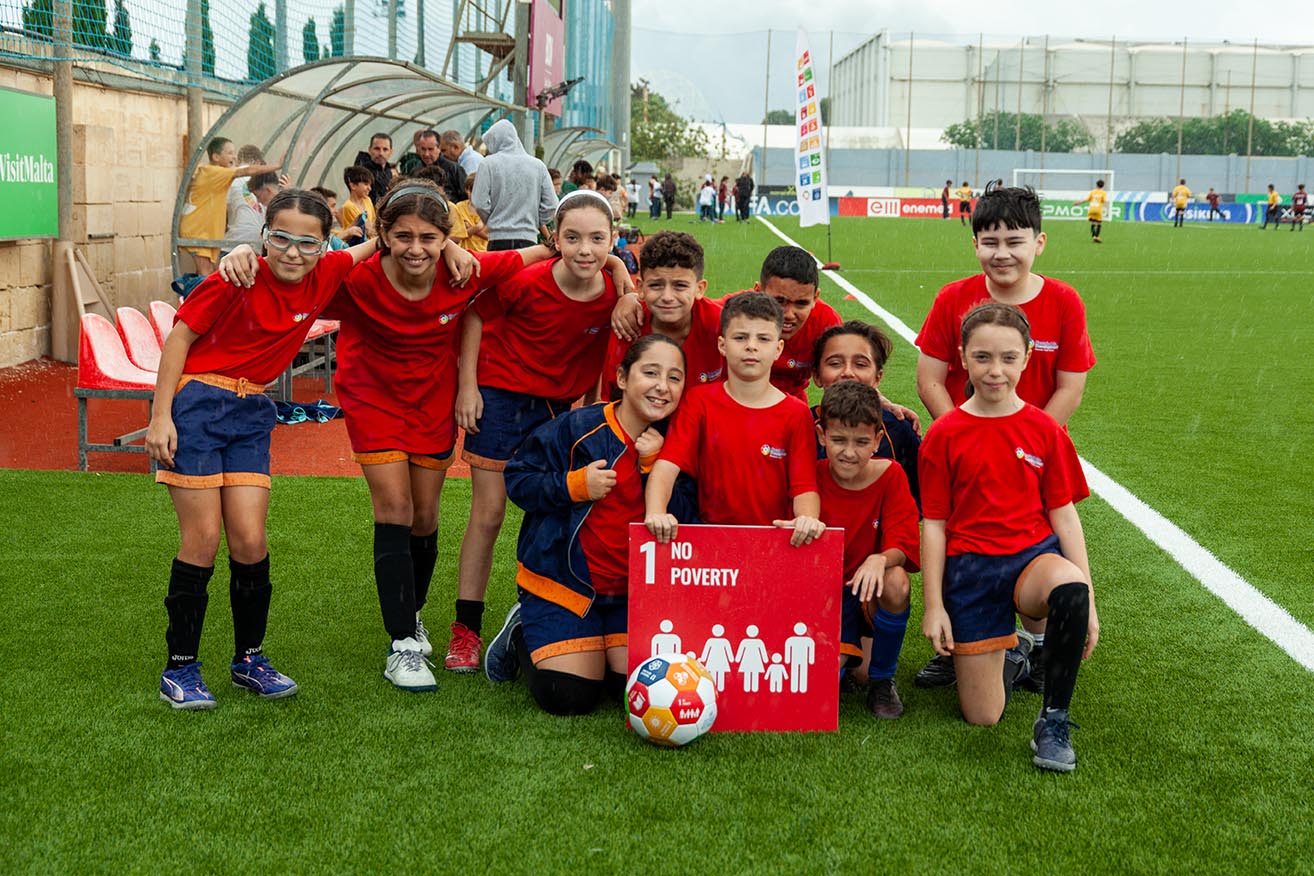
| 1 | Saint Margaret College, Xgħajra Primary School | Supporting Families in Need | Pupils explored poverty and took action through fundraising initiatives such as a school bazaar, food collections, uniform donations, and recycling activities to support families in need. |
| 2 | St. Paul’s Missionary College | Ending Hunger for a Better Future / Move for Meals | Students linked physical activity with fundraising to support an MSSP school in Pakistan by sponsoring daily breakfasts for children. |
| 3 | Theresa Nuzzo School | Talent Show for Student Wellbeing | A school talent show promoted children’s holistic well-being and healthy lifestyles while raising funds for a school gym project. |
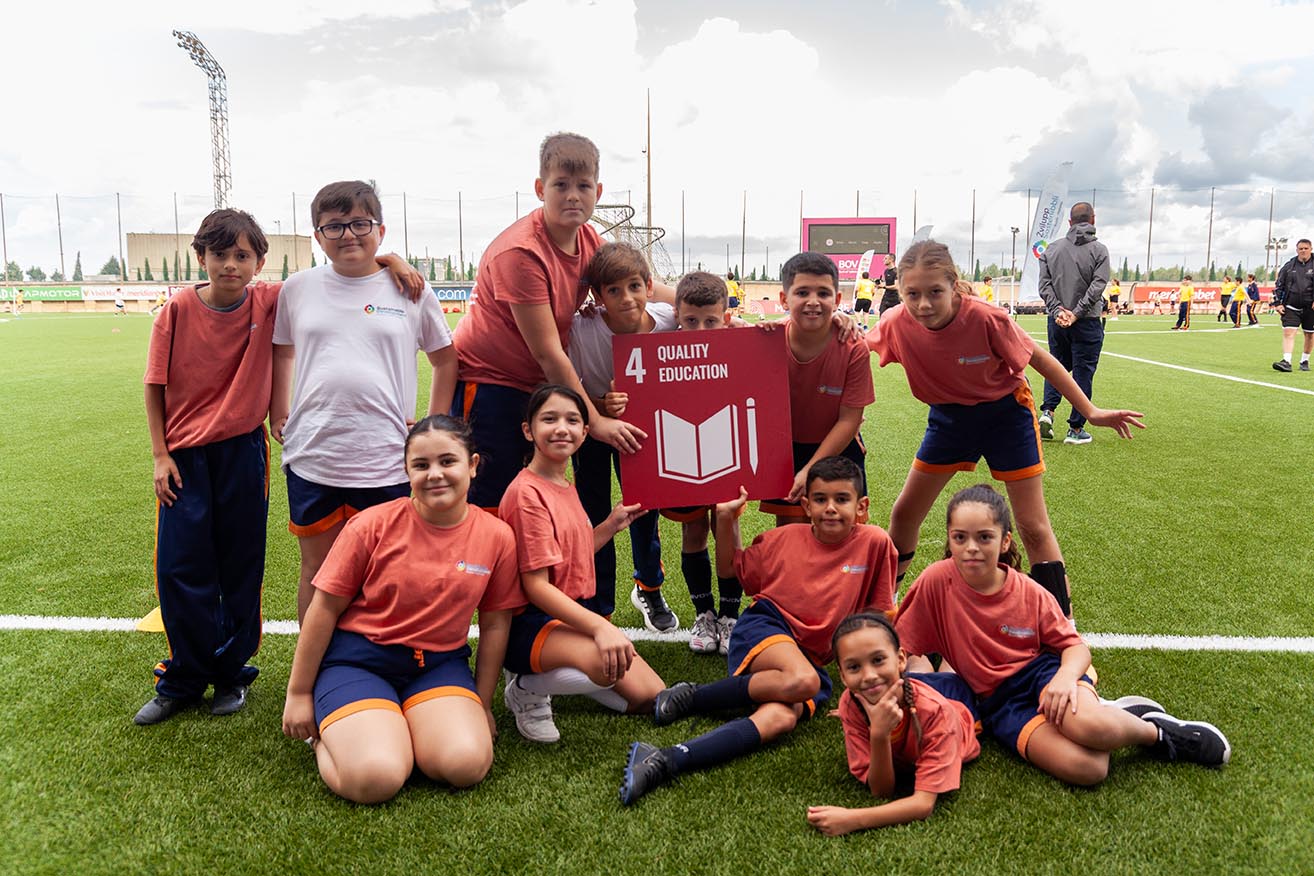
| 4 | Saint Thomas More College, Żejtun Primary B | Learning Through Football | Learning was linked to football and creative stations focusing on community, art, science, healthy living and physical education to make education engaging and inclusive. |
| 5 | Saint Thomas More College, Fgura Primary B | It’s Only Fair! | The school promoted gender equality through inclusive activities, shared responsibilities, environmental projects and collaborative learning. |
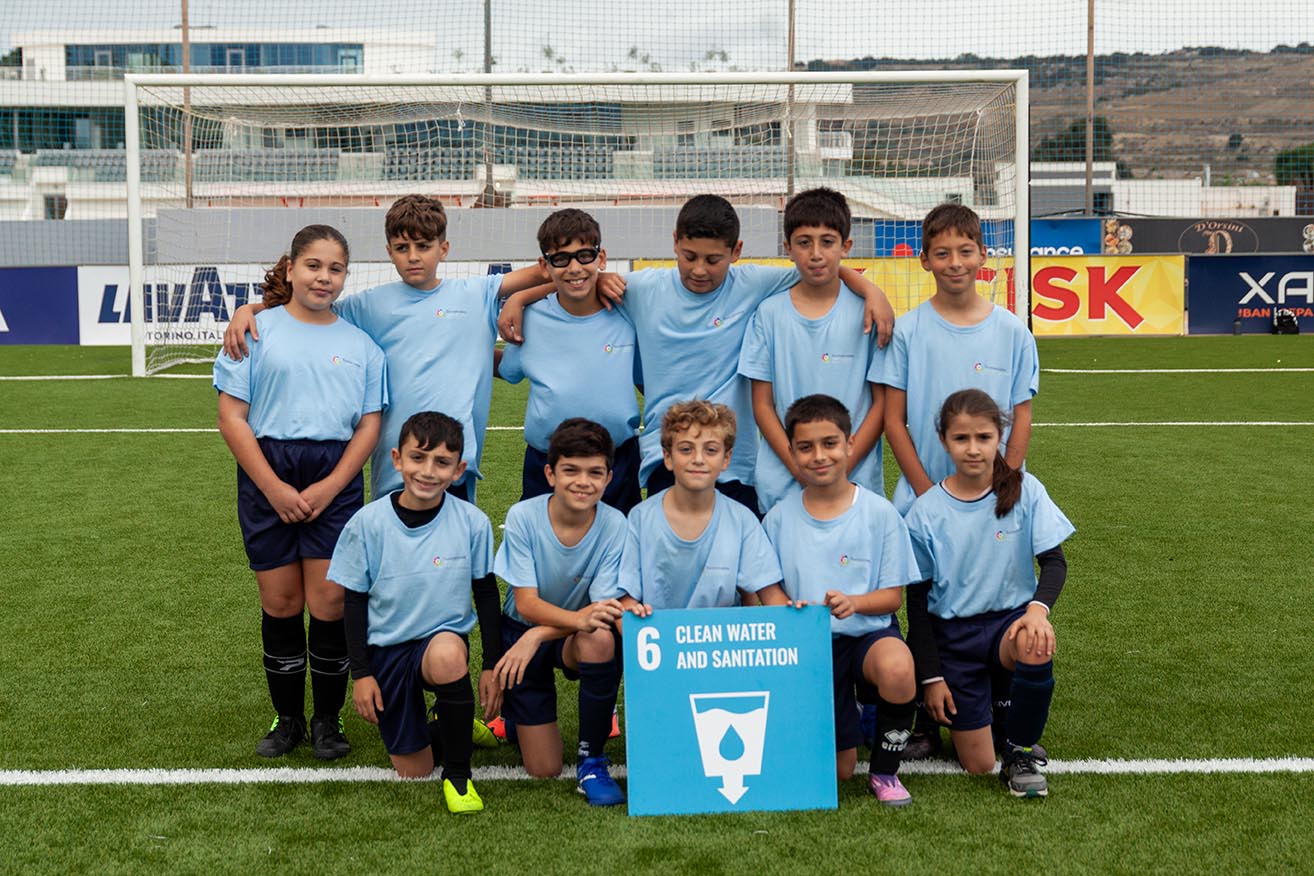
| 6 | STC Anthony Valletta, Birkirkara Primary School | Save Water Together | Students raised awareness on water conservation and sanitation through campaigns, posters, water-saving actions and proposed rainwater collection projects. |
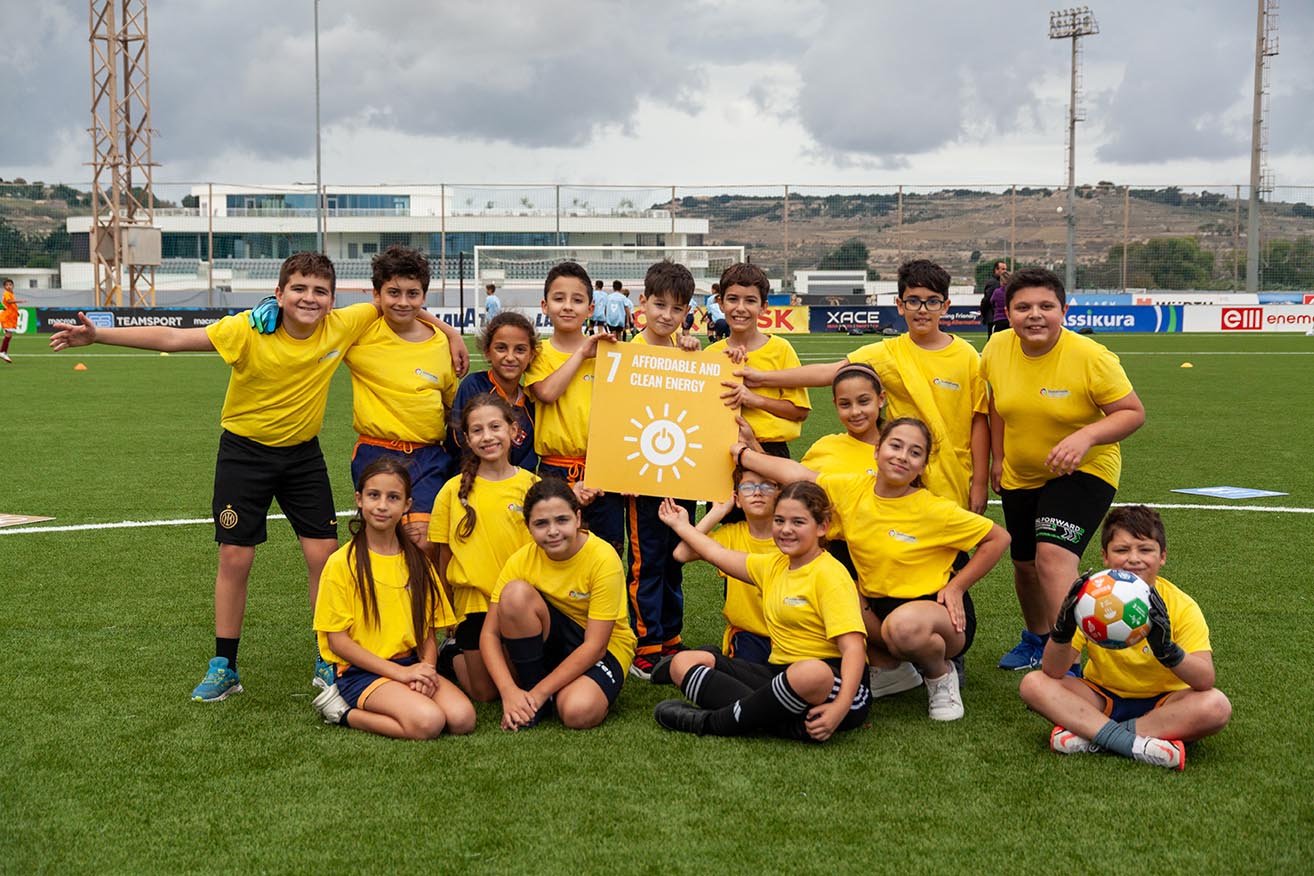
| 7 | Maria Regina College, St Paul’s Bay Primary School | Affordable and Clean Energy Action Plan | The project encouraged energy saving, water conservation and the 3Rs through challenges, school activities and community clean-ups. |
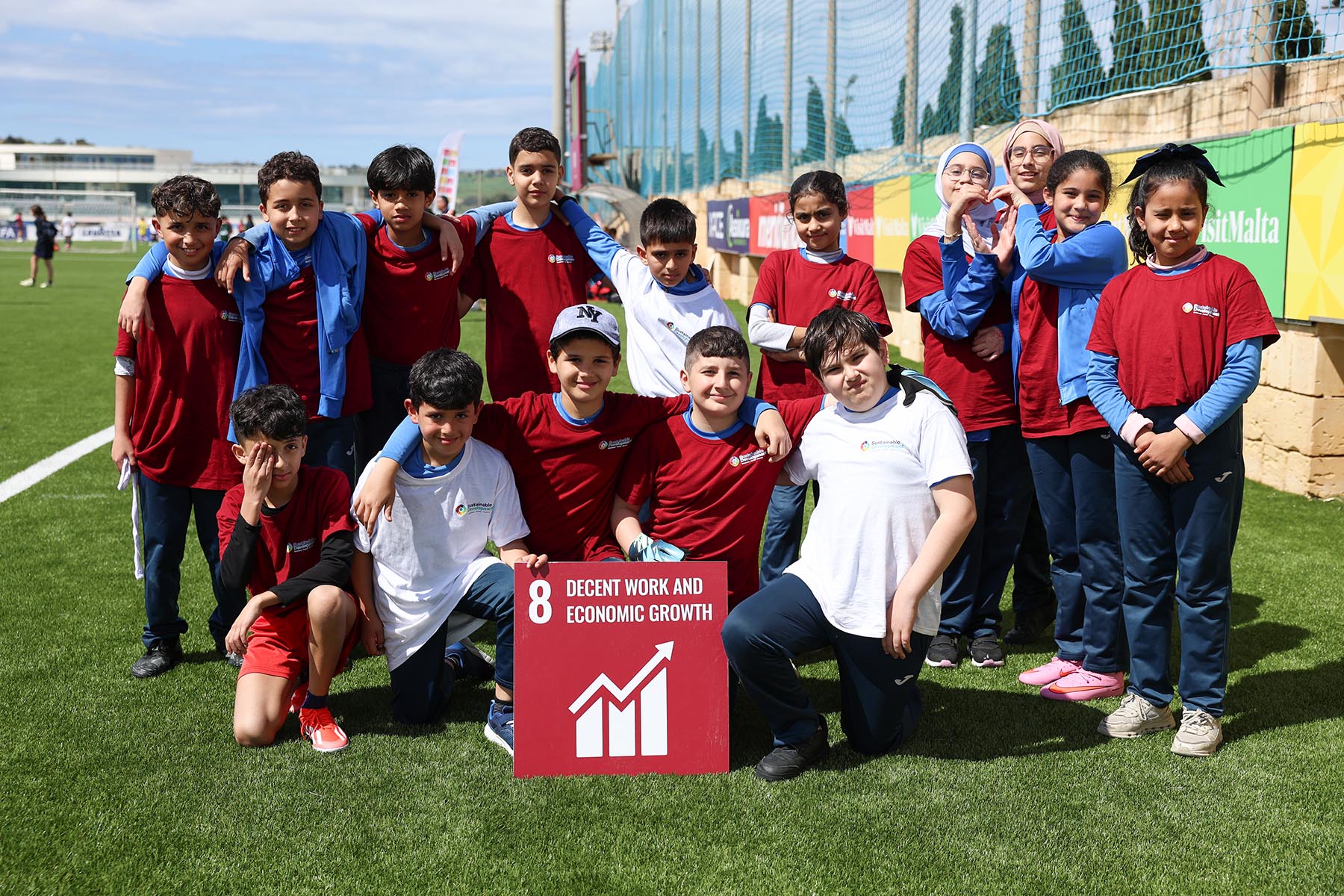
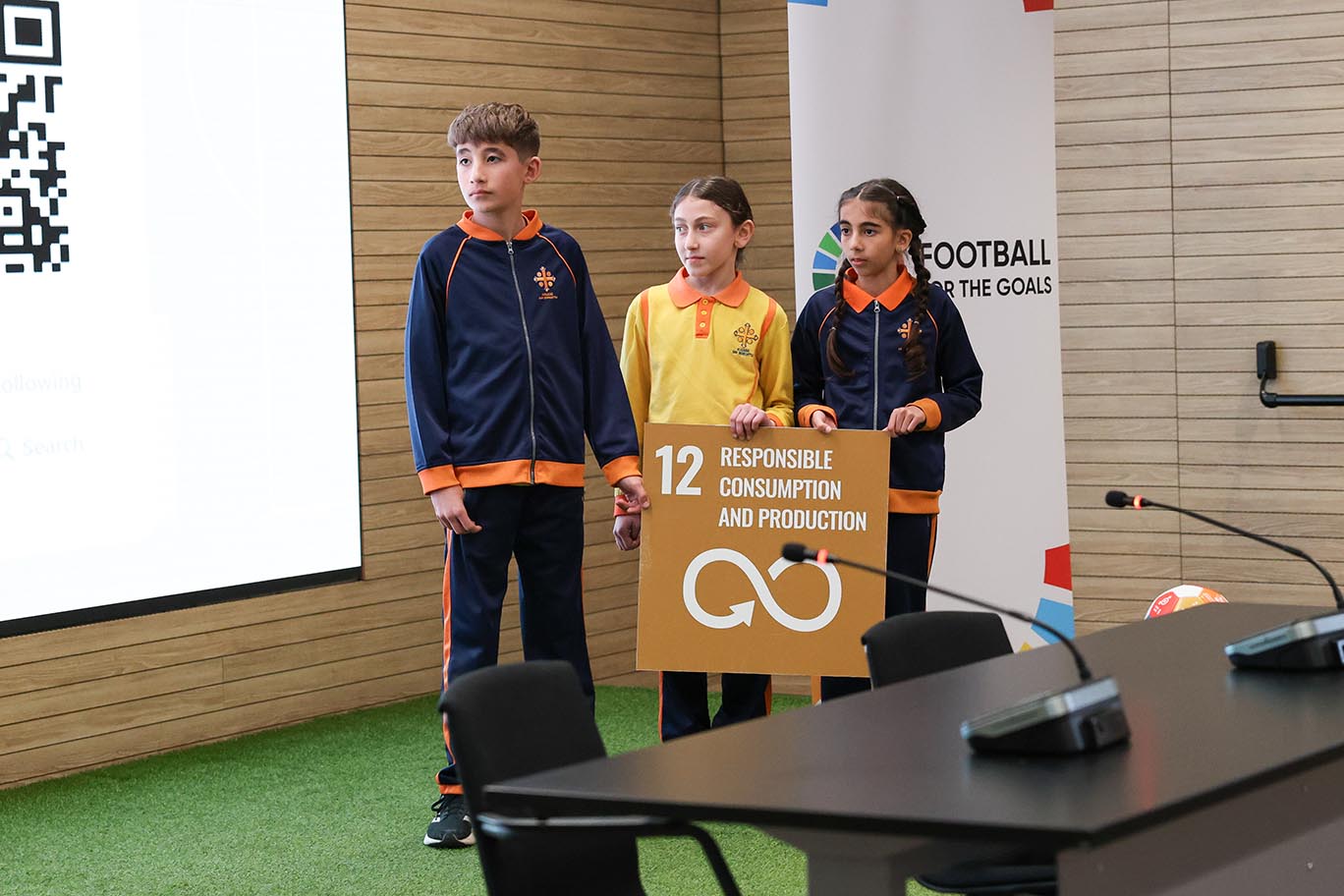
| 8 & 12 | Maria Regina College, Marija Bambina Mellieħa Primary School | Eco-Craft Entrepreneurs | Pupils upcycled waste into products and organised a school market to learn entrepreneurship while promoting responsible consumption and waste reduction. |
| 9 | Mariam al Batool School | Multi-Sensory Room | A multi-sensory room was developed to support inclusion, emotional wellbeing and skill development for students with special needs. |
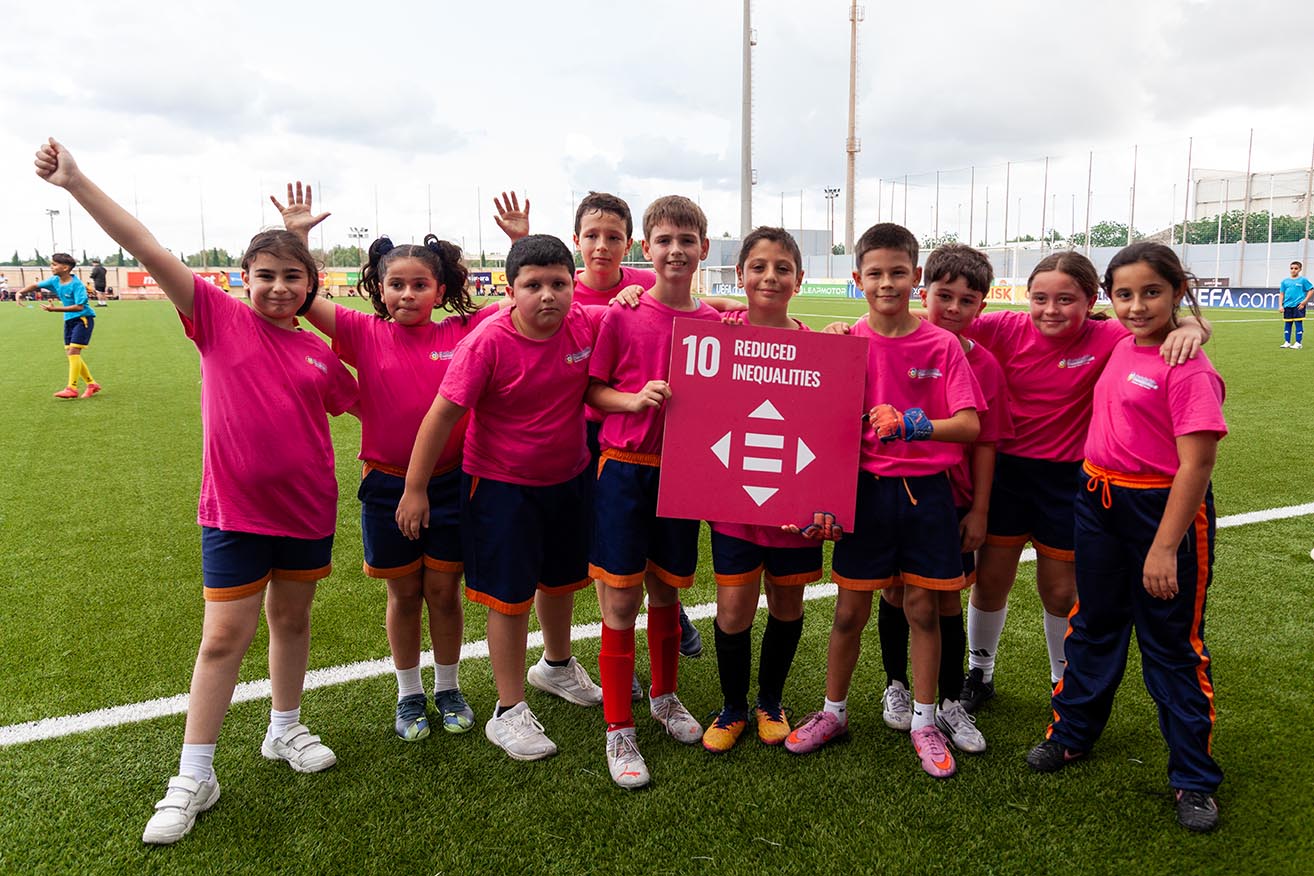
| 10 | San Ġorġ Preca College, Marsa Primary School | Celebrating Diversity | Through assemblies, cultural activities, games and community visits, the school promoted inclusion, equality and respect for diversity. |
| 11 | Newark School Malta | Greening Our School & Reducing Waste | Projects included planting capers for green spaces, composting, food-waste recipe books, eco-brick furniture and community clean-ups. |
| 13 | Saint Nicholas College, Rabat Primary School | Be a Climate Star | Students addressed climate change through food-waste awareness, tree planting, sustainable building models, rainwater collection and promoting clean transport. |
| 14 | Saint Joan Antide Gudja Primary School | Protect Our Oceans | The school reduced plastic use, held awareness talks, assemblies and creative activities, and organised clean-ups to protect marine ecosystems. |
| 15 | Saint Martin’s College | Greening the School with Indigenous Plants | Students planted and propagated indigenous plants in school and nature reserves to promote biodiversity and environmental stewardship. |
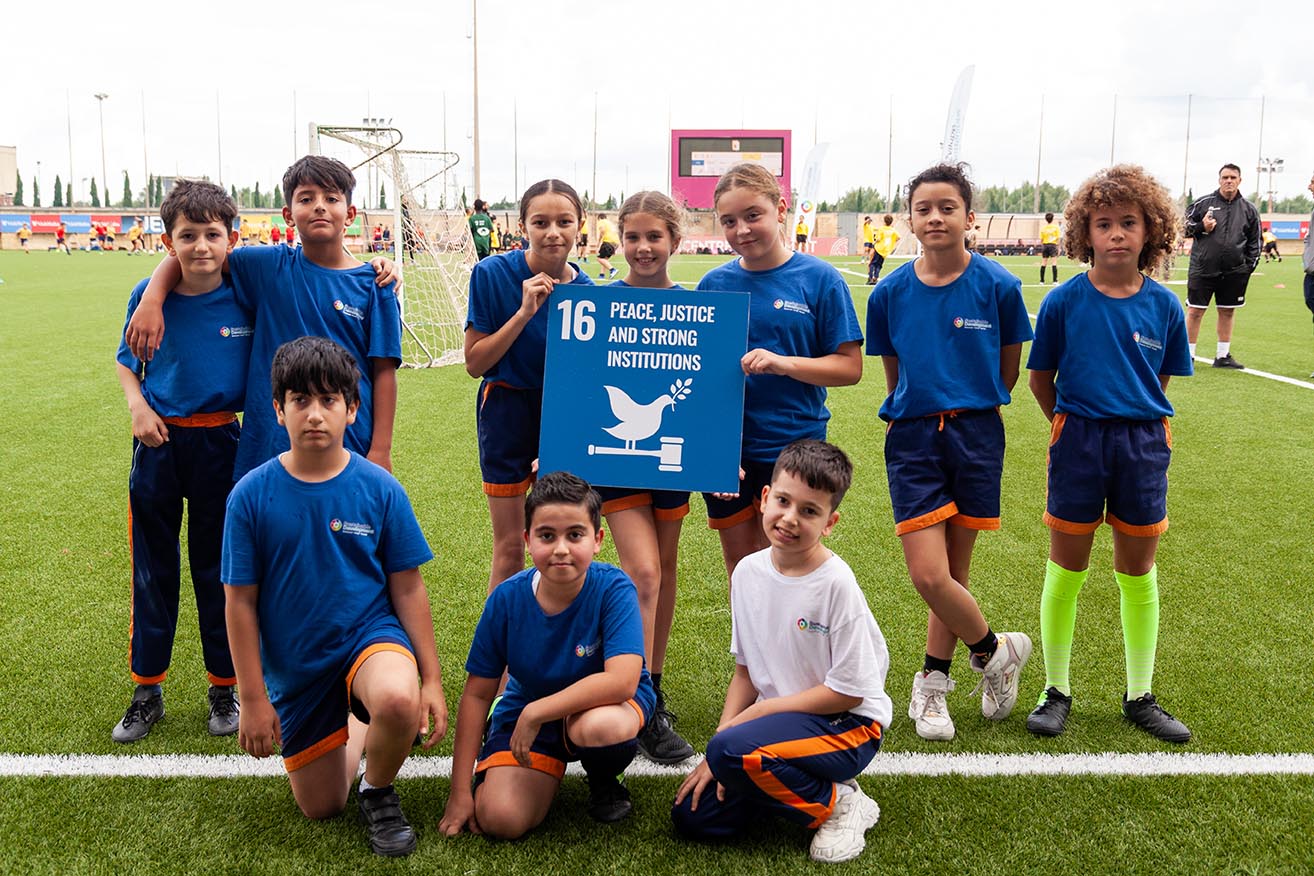
| 16 | Saint Joseph Mater Boni Consilii School, Paola | Anti-Bullying Vox Pop | Students created an anti-bullying video project promoting kindness, inclusion and student voice while considering ethical and privacy issues. |
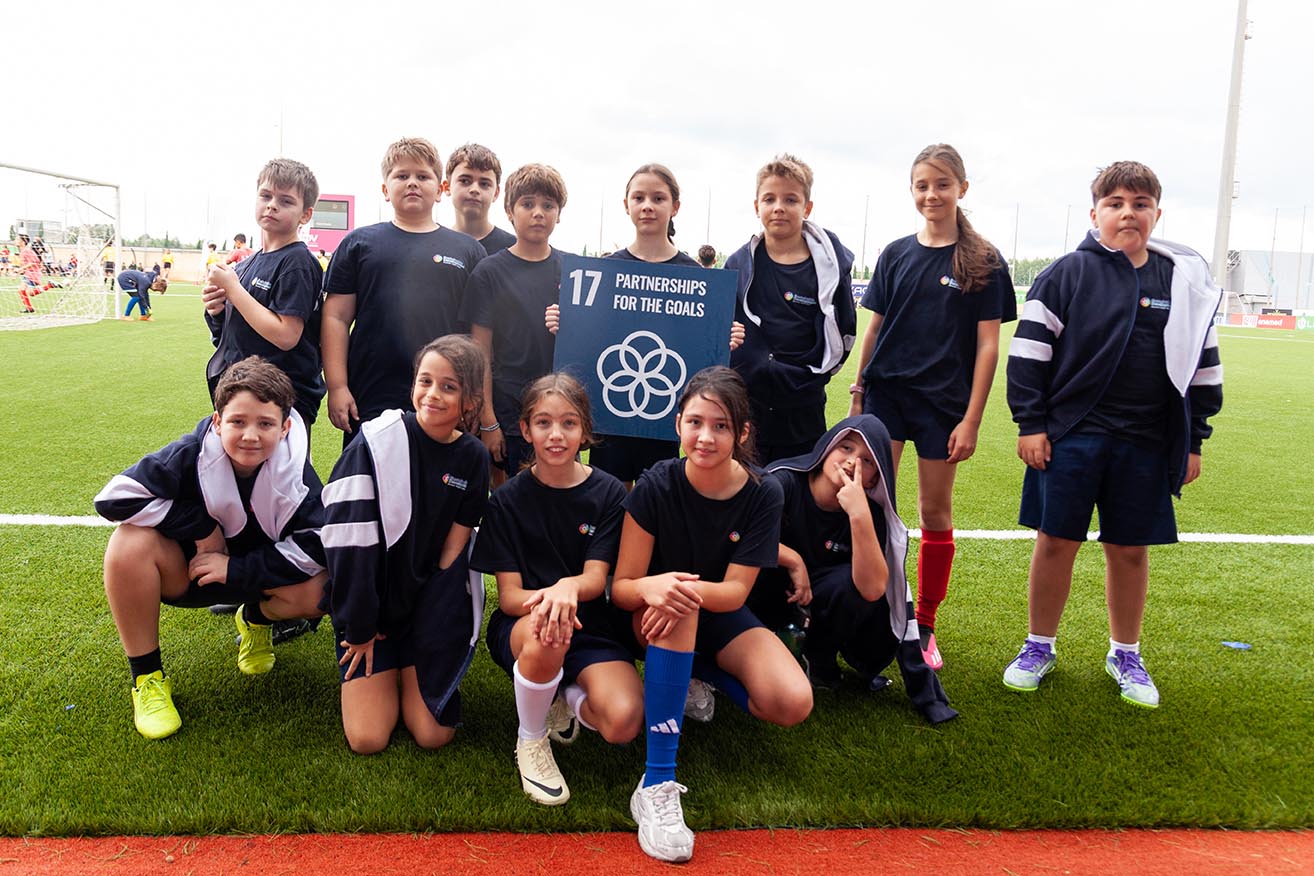
| 17 | Saint Thomas More College, Żejtun Primary B | Għeruq ta’ Mħabba | A community event demonstrated partnerships between the school, local council, church and private sector through cultural, agricultural and educational collaboration. |
2025/2026 Edition
Building on the success of its inaugural year, the second edition of Football for the Goals was launched with a national call for participation in September 2025, engaging schools from across Malta. Seventeen teams were formed, each representing one of the UN Sustainable Development Goals (SDGs), with schools randomly assigned their SDG and presented with branded T-shirts during a launch event on 24 October 2025.
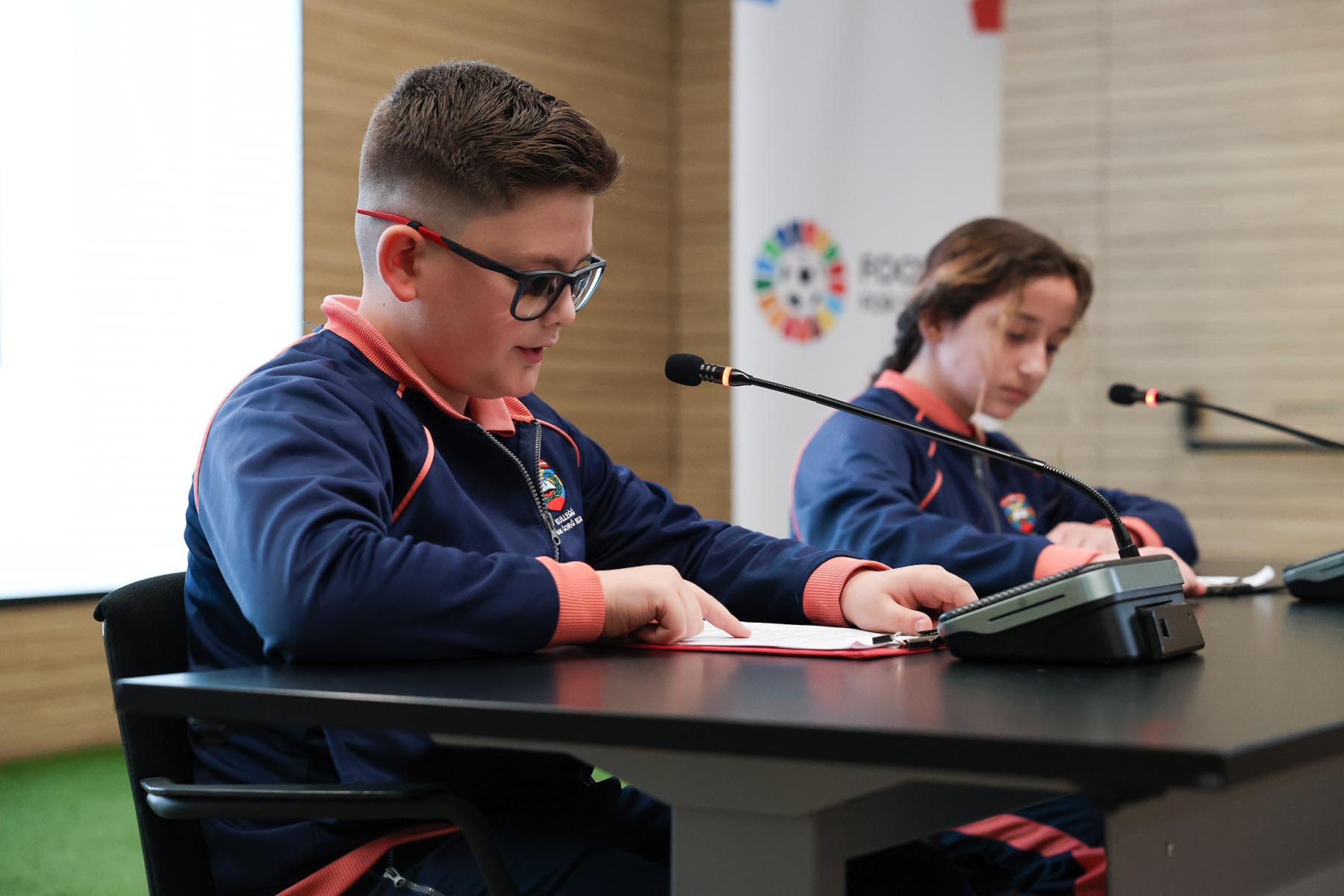
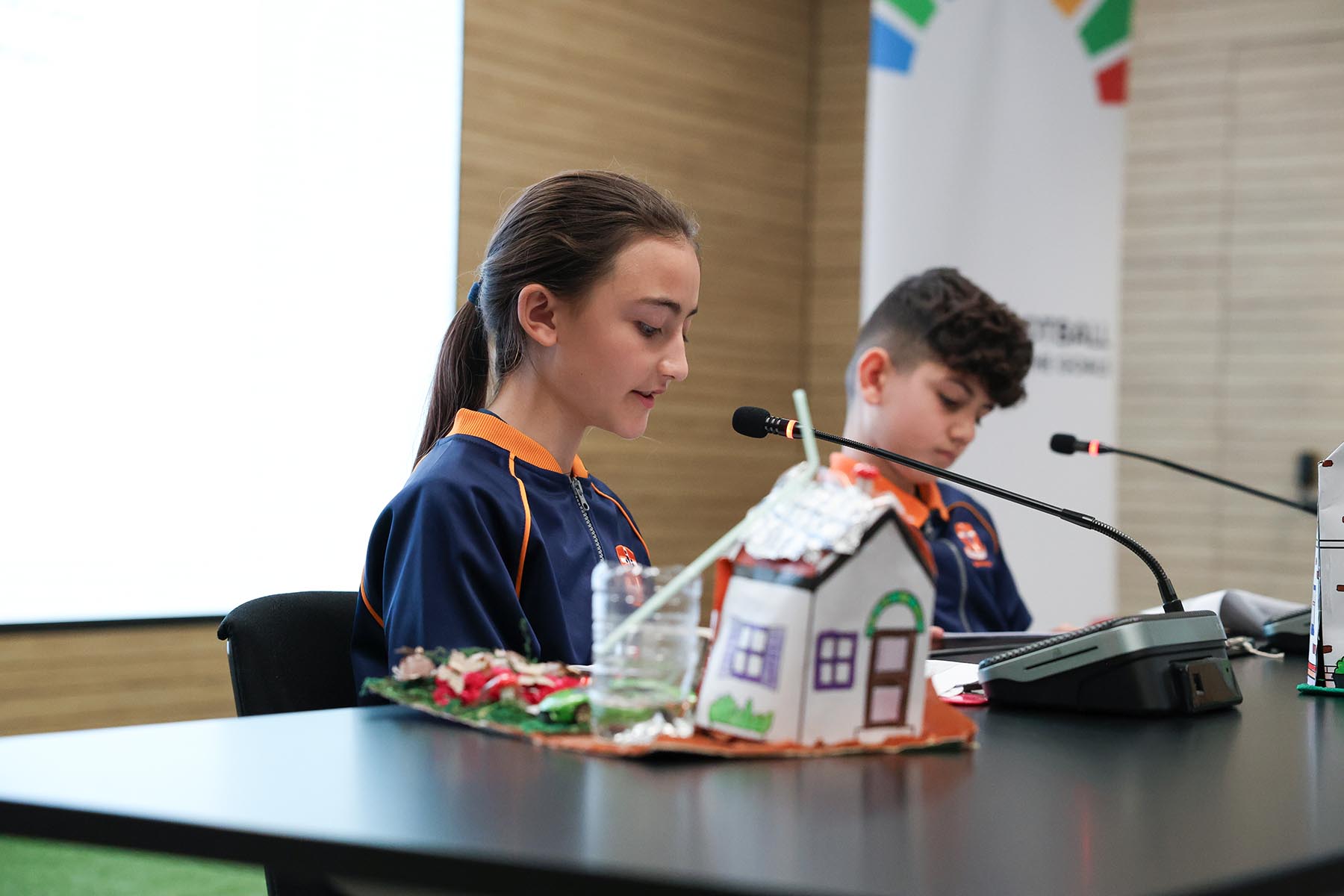
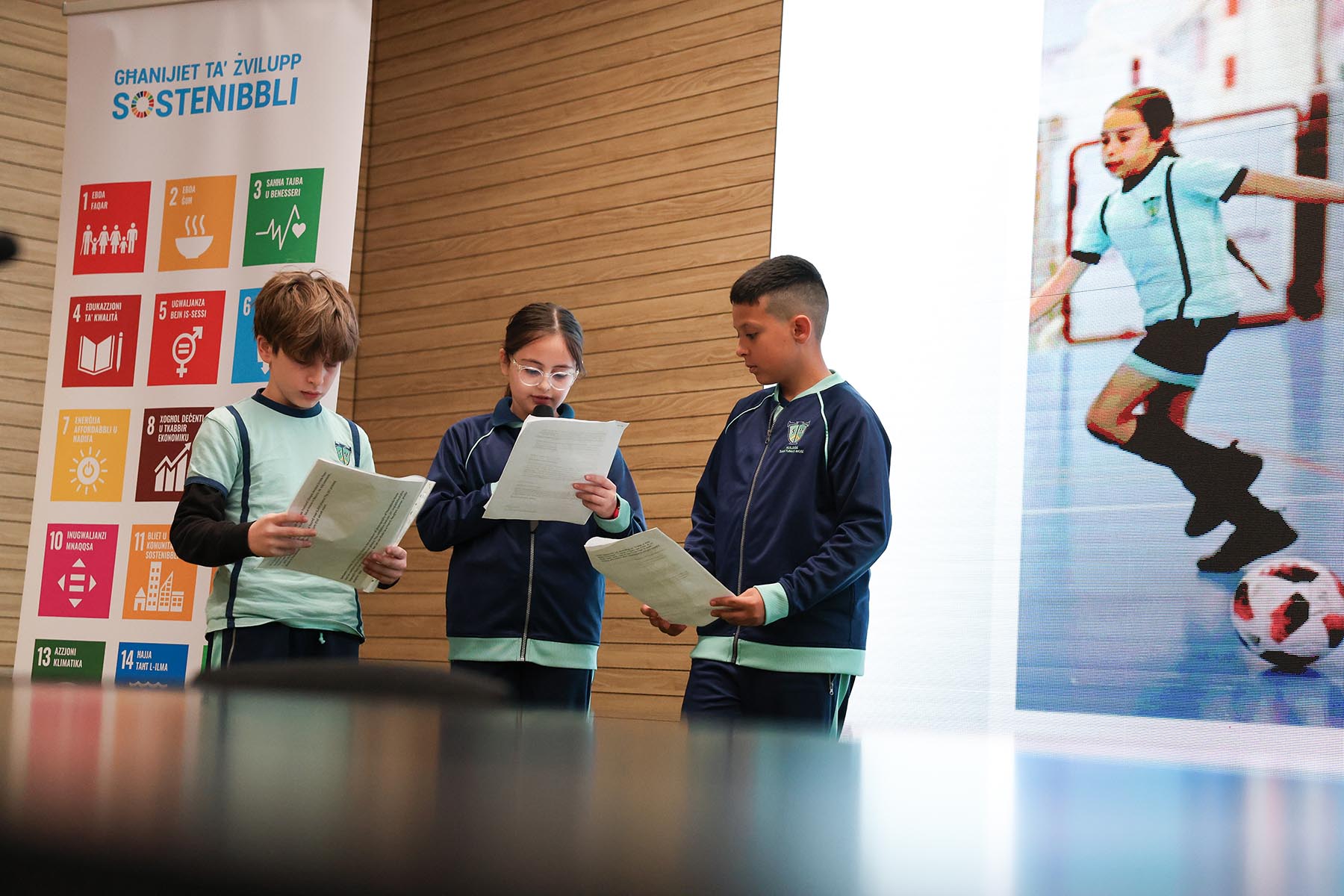
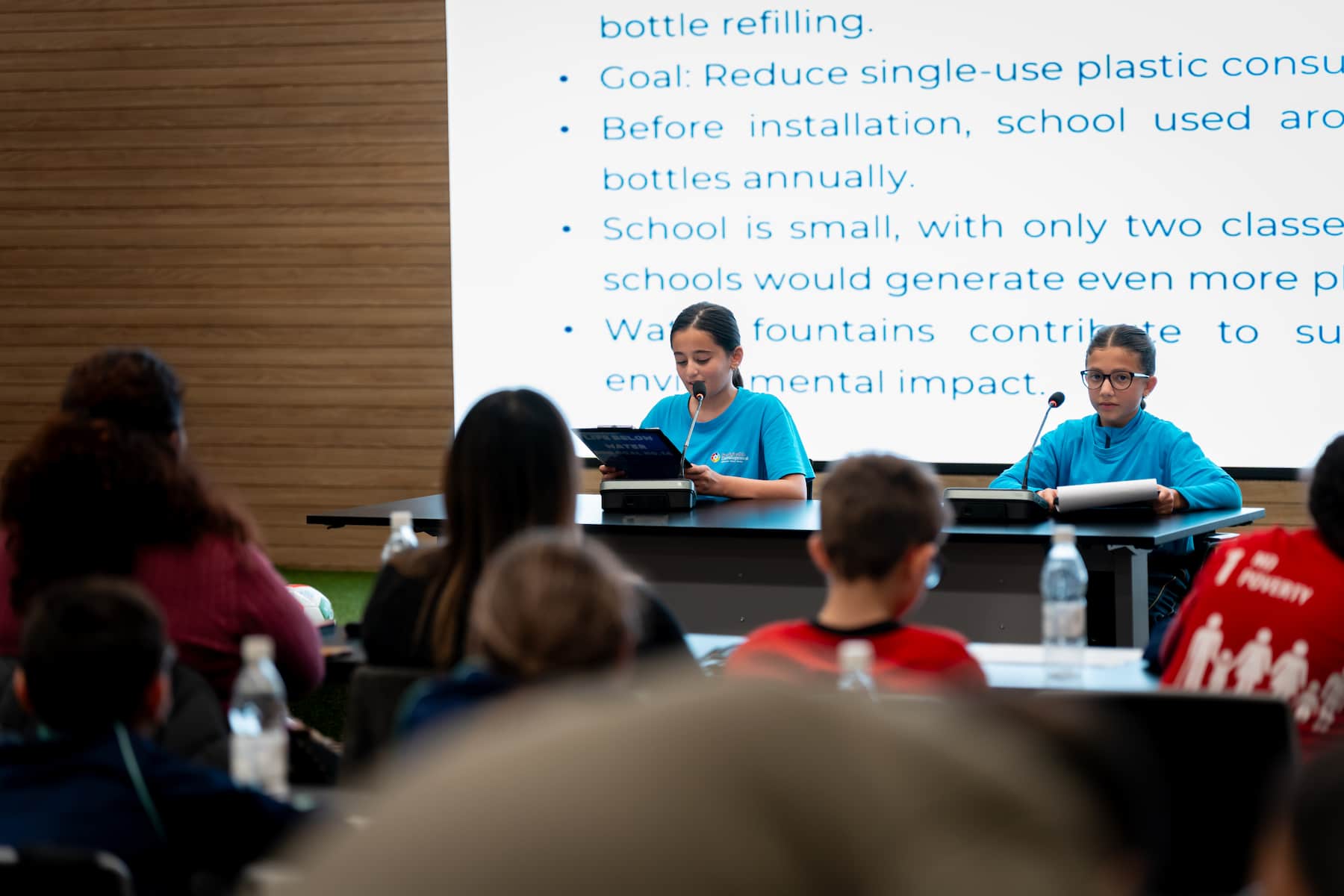
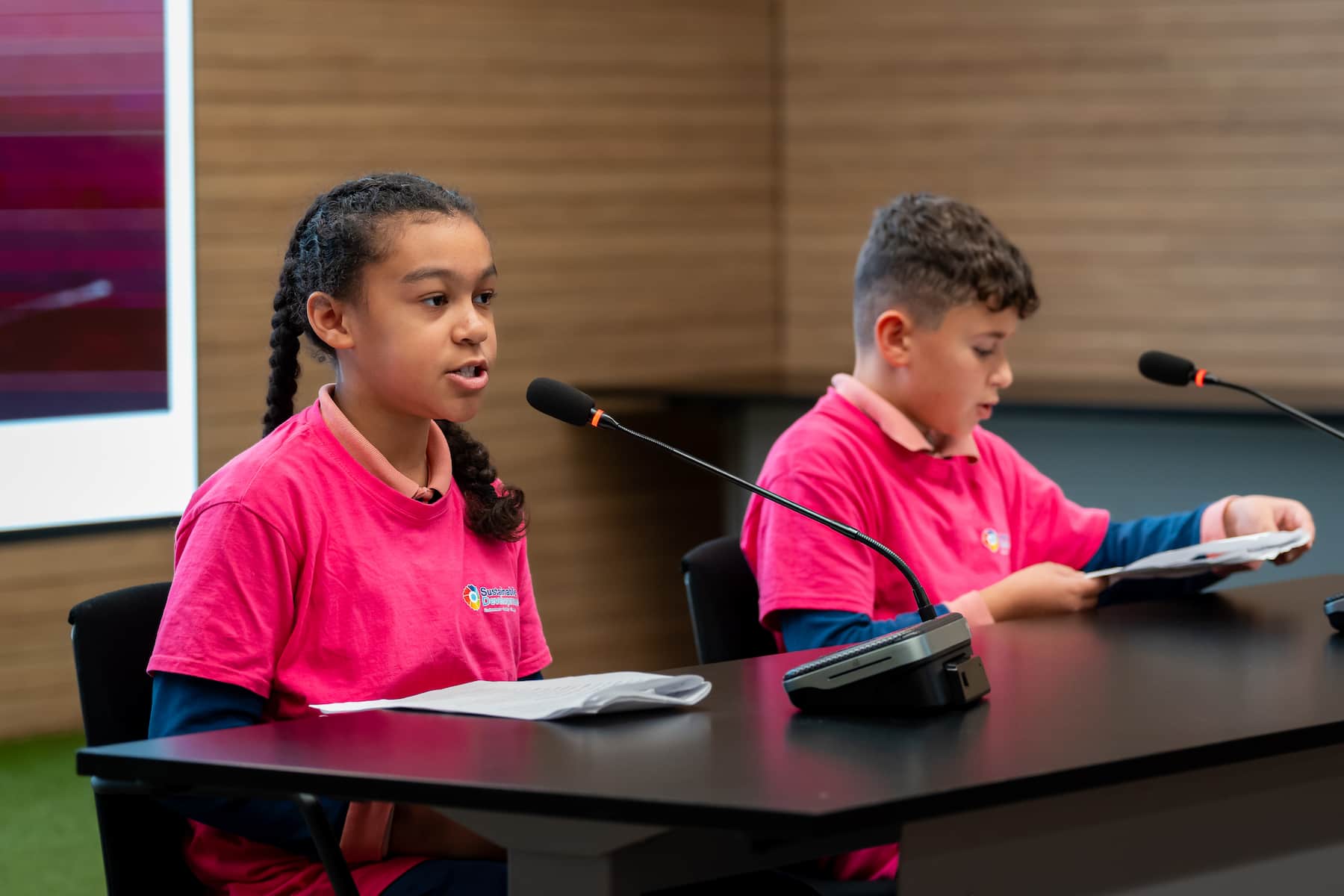
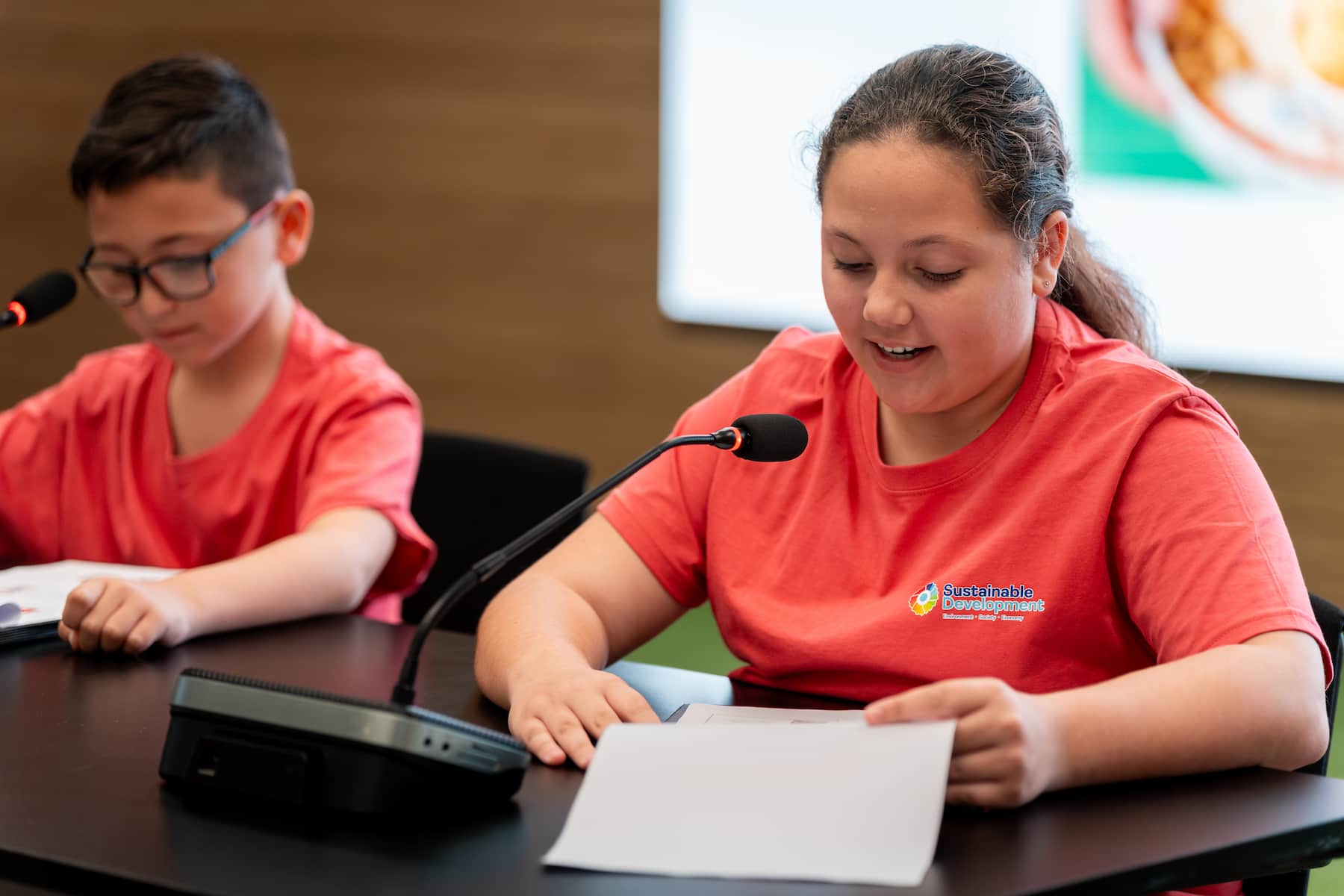
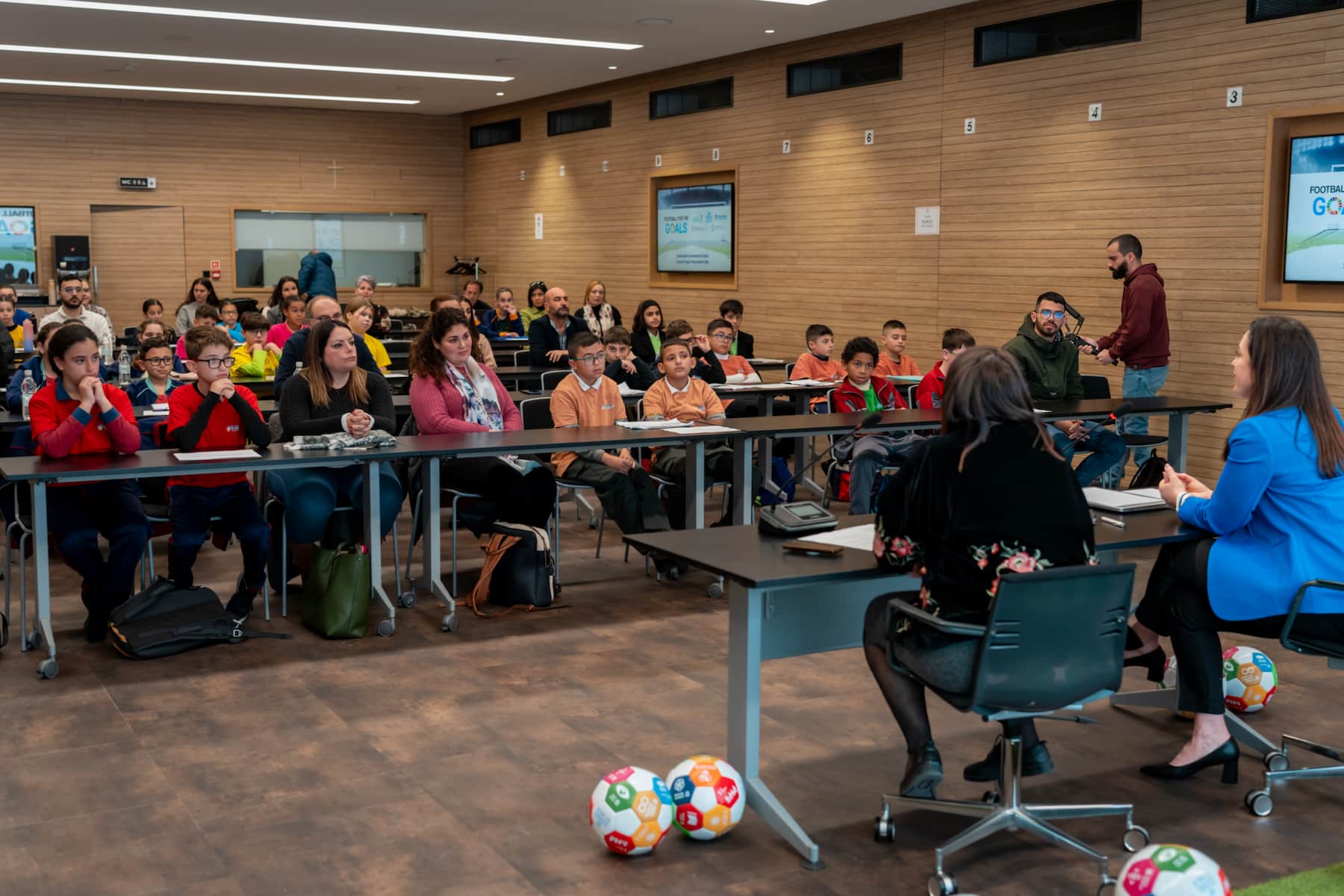
The initiative kicked off on the pitch with an exciting opening tournament at the Centenary Stadium on 21 November 2025, after which students embarked on a journey of innovation and collaboration, designing and implementing SDG-focused projects within their schools from November 2025 through March 2026. This period of hands-on engagement culminated in a panel discussion on 18 March 2026, where student representatives showcased the impact and outcomes of their initiatives.
The programme concluded on a high note with a final friendly tournament on 23 March 2026, celebrating not only sporting spirit but also the meaningful contributions of young people towards a more sustainable future.
| SDG | School | Project Title | Description |
|---|---|---|---|
| 1 | Saint Benedict College William Baker Gudja Primary School |
Nippruvaw neqirdu kull forma ta’ faqar | The project guided students in addressing poverty through monthly activities. They supported the Malta Community Chest Fund, visited elderly homes, shared holiday leftovers with families in need, explored education and volunteer work, and followed Mother Teresa’s example by providing essentials to local families. Students continued these efforts, aiming to sustain their impact over time. |
| 2 | Gozo College Dun Salv Vella Nadur Primary School |
Food Drive: Helping Families in Need within Our Community | The initiative included organising a school food drive to support efforts to fight hunger. Families were invited to donate non-perishable food items, which were collected and distributed to those in need within the community. Coordination took place with the Local Council and the Nadur Parish to ensure effective support for vulnerable families. |
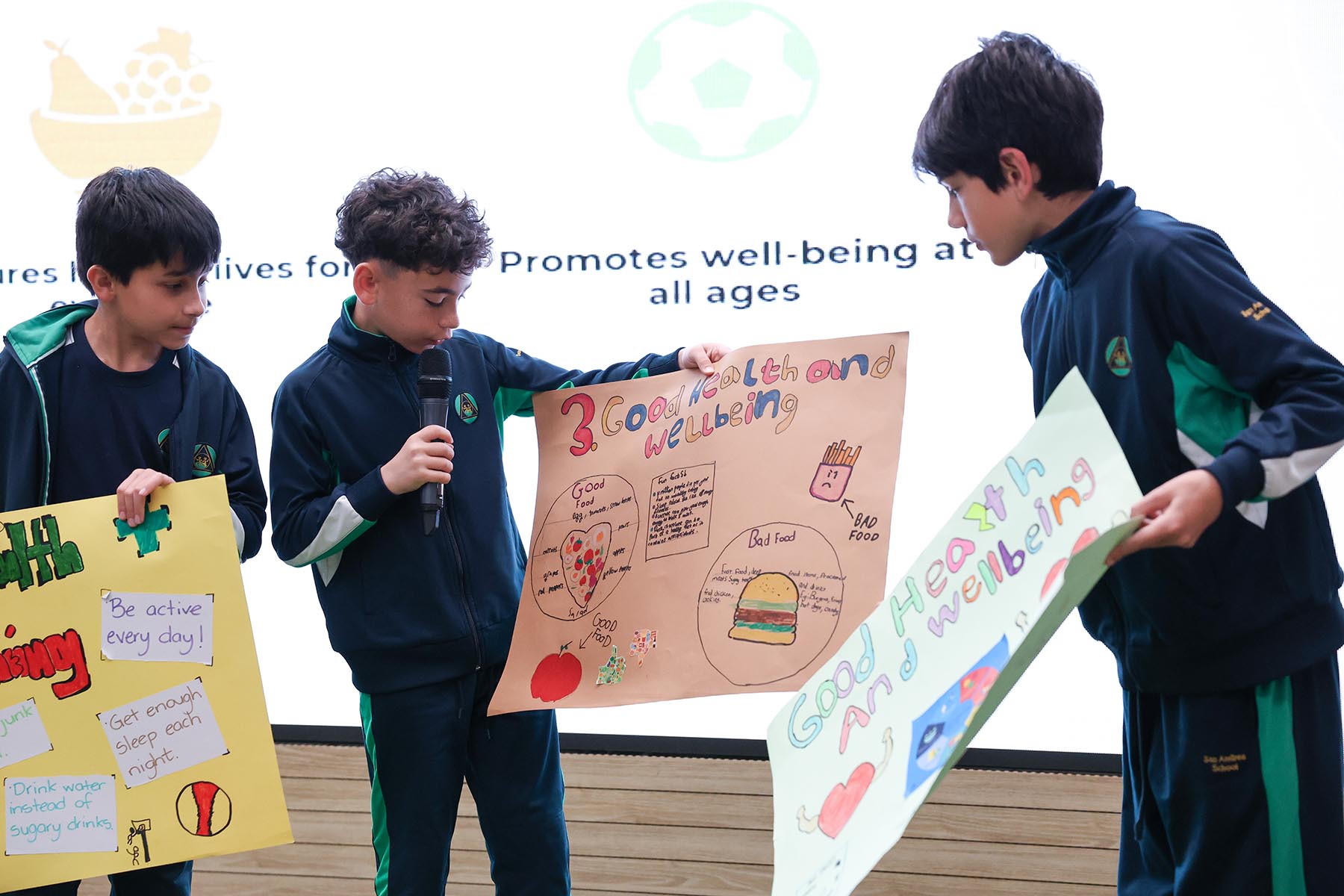
| 3 | San Andrea School | Good Health and Wellbeing | The project focused on promoting good health and wellbeing by raising awareness of healthy lifestyles, teamwork, and physical activity. It included group chart work on topics such as nutrition, exercise, mental health, and hygiene, displayed to raise awareness, as well as Zumba or yoga sessions to encourage fitness and relaxation, helping develop healthy habits in an engaging way. |
| 4 | St Benedict College Prof. Anton Tabone Birżebbuġa Primary School |
Olive Harvesting and Processing | Students participated in a cross-curricular STEAM initiative, using the school’s olive trees to follow the journey from tree to product. They explored science, mathematics, technology, history, art, and health through hands-on activities, developing practical skills. This led to a short video presentation showcasing their work, including data findings and student artwork. |
| 5 | Saint Thomas More College Żejtun Primary School B |
Defying Stereotypes | Students explored gender equality, examined stereotypes, and highlighted influential role models. This led to a mural showcasing men and women in non-traditional roles, encouraging discussion and challenging perceptions. |
| 6 | Theresa Nuzzo School | Clean Water for Everyone: Build a Water Filter | The project focused on helping students understand the importance of clean water and global access to it. Through a hands-on activity, they built simple water filters using low-cost materials and tested how water can be cleaned. The project encouraged teamwork, problem-solving, and reflection on water conservation, helping students recognise the importance of safe water for health and daily life. |
| 7 | Saint Nicholas College Anton Agius Rabat Primary School |
Green Homes, Bright Futures! | The project helped students explore sustainable living through hands-on, collaborative activities. They investigated eco-friendly habits, designed future homes, and shared their work with peers and families. It concluded with a feature summarising their learning and posing questions about young people’s role in a sustainable future. |
| 8 | Mariam al Batool School | Local Heroes of Decent Work: Interview Documentary | The project engaged students in exploring decent work by having them interview local workers such as teachers, nurses, and entrepreneurs. They investigated job skills, responsibilities, challenges, and societal contributions, and presented their findings in a feature. The activity helped students understand the value of fair work and respect for all workers. |
| 9 | St Pauls Missionary College | Code4Earth | The project empowered students to address SDG 9 through hands-on problem-solving. Students identified local environmental issues, brainstormed and designed inventions to address them, and built prototypes using recyclable materials with support from educators and parents. They then presented their solutions to peers, families, and the wider community. |
| 10 | Saint Benedict College Leli Camilleri Żurrieq Primary School |
SDG 10: Reduced Inequalities Initiatives | The project helped students explore inequality and develop empathy through hands-on and reflective activities. They experienced differences firsthand in the ‘Fairness Game’, examined real-life stories of children facing barriers, and interviewed community members who overcame challenges. Students then applied their learning by designing small actions, such as reading sessions or awareness activities, to promote fairness and inclusion in their school and community. |
| 11 | San Ġorġ Preca College Ġużeppi Agius Paola Primary School | Move Green – Our Journey to Sustainable School Travel | The school implemented a Green School Travel Plan to promote sustainable mobility and reduce car dependency. Students participated in surveys of travel habits, used Walk-and-Learn routes, joined monthly Walk to School competitions, and supported a carpool campaign. The initiative also included a Sustainable Mobility activity with parents, local council, and community police, promoting healthier habits, cleaner air, and awareness of sustainable cities and communities. |
| 12 | Saint Benedict College Filippo Castagna Għaxaq Primary School |
No Food Left Behind: Our SDG 12 Leftover Recipe e-Book and Carnival Costumes | Students explored food waste by creating simple recipes from household leftovers, which were compiled into a class cookbook. They also designed carnival costumes from recycled materials and participated in a local parade in Għaxaq, promoting sustainability and raising awareness within the community. |
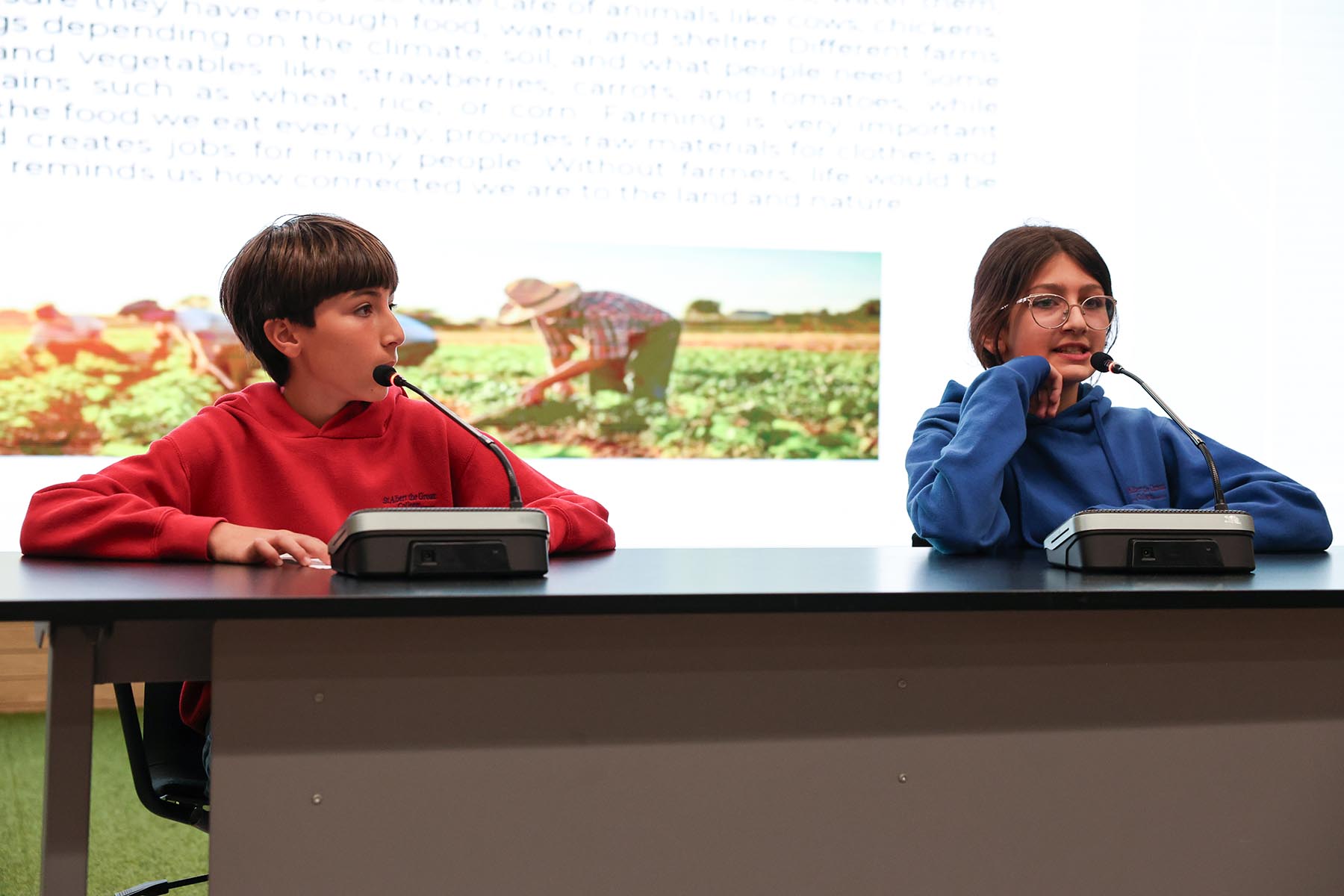
| 13 | St Albert the Great College | Green Bazaar: Reuse, Reduce, Reforest! | The project engaged students in organising a Thrift & Reuse Bazaar, collecting and selling donated items such as books, toys, and games, with proceeds used to create indoor green spaces at the school. Students researched low-maintenance plants that improve air quality and distributed them during School Greening Day, promoting a healthier environment and supporting SDG in a hands-on, educational way. |
| 14 | Saint Clare College Madonna tal-Mensija San Ġwann Primary School |
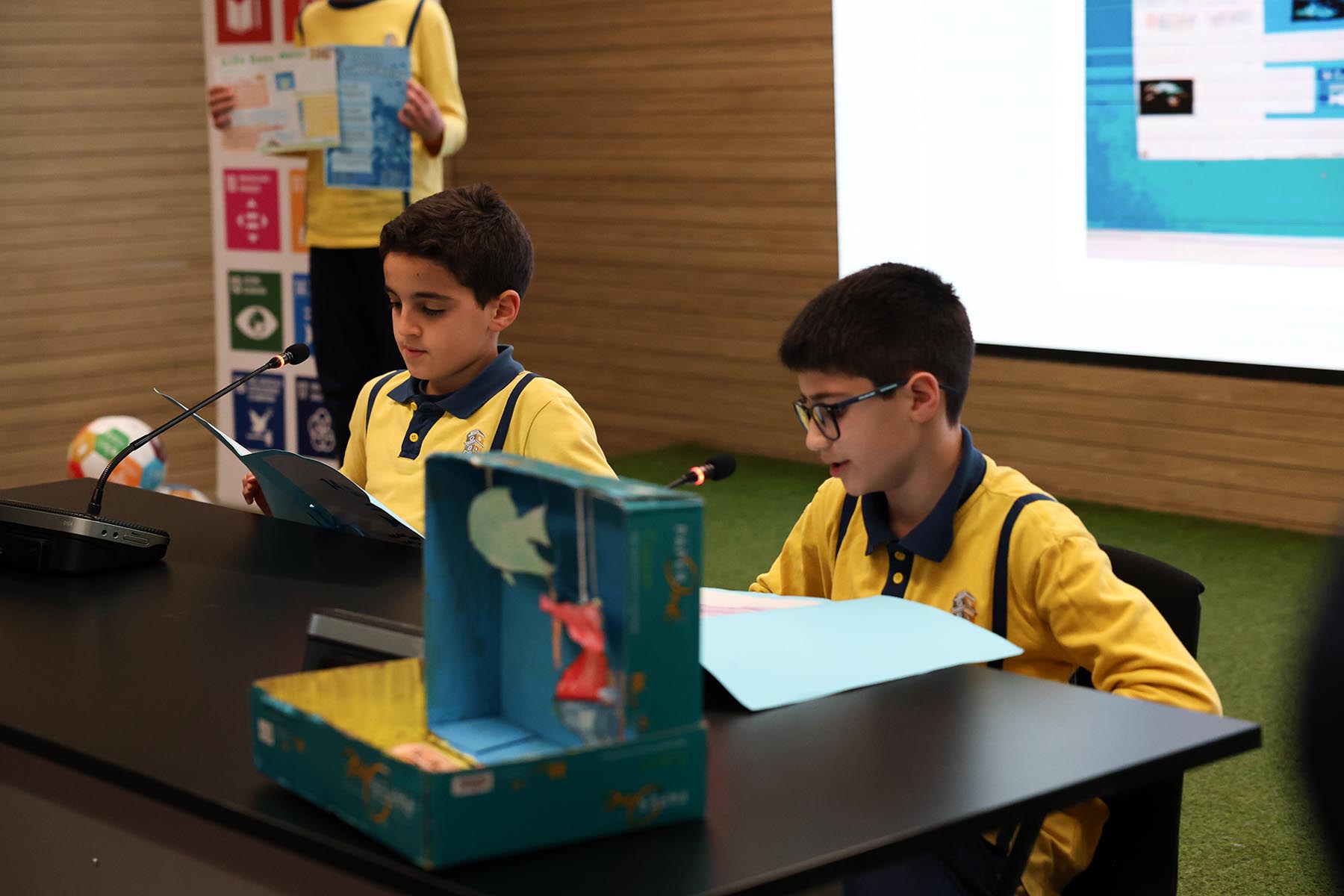
STEM for the Sea: Exploring Life Below Water (SDG 14) | The project engaged students in real-world STEM challenges to explore ocean life and the impact of human activity. They learned about biodiversity through a Sea Turtle Journey game, studied microplastics, took part in a beach clean-up and scavenger hunt, raised funds for the Adopt-a-Turtle campaign, and created models of marine habitats. |
| 15 | Saint Benedict College Leli Camilleri Żurrieq Primary School |
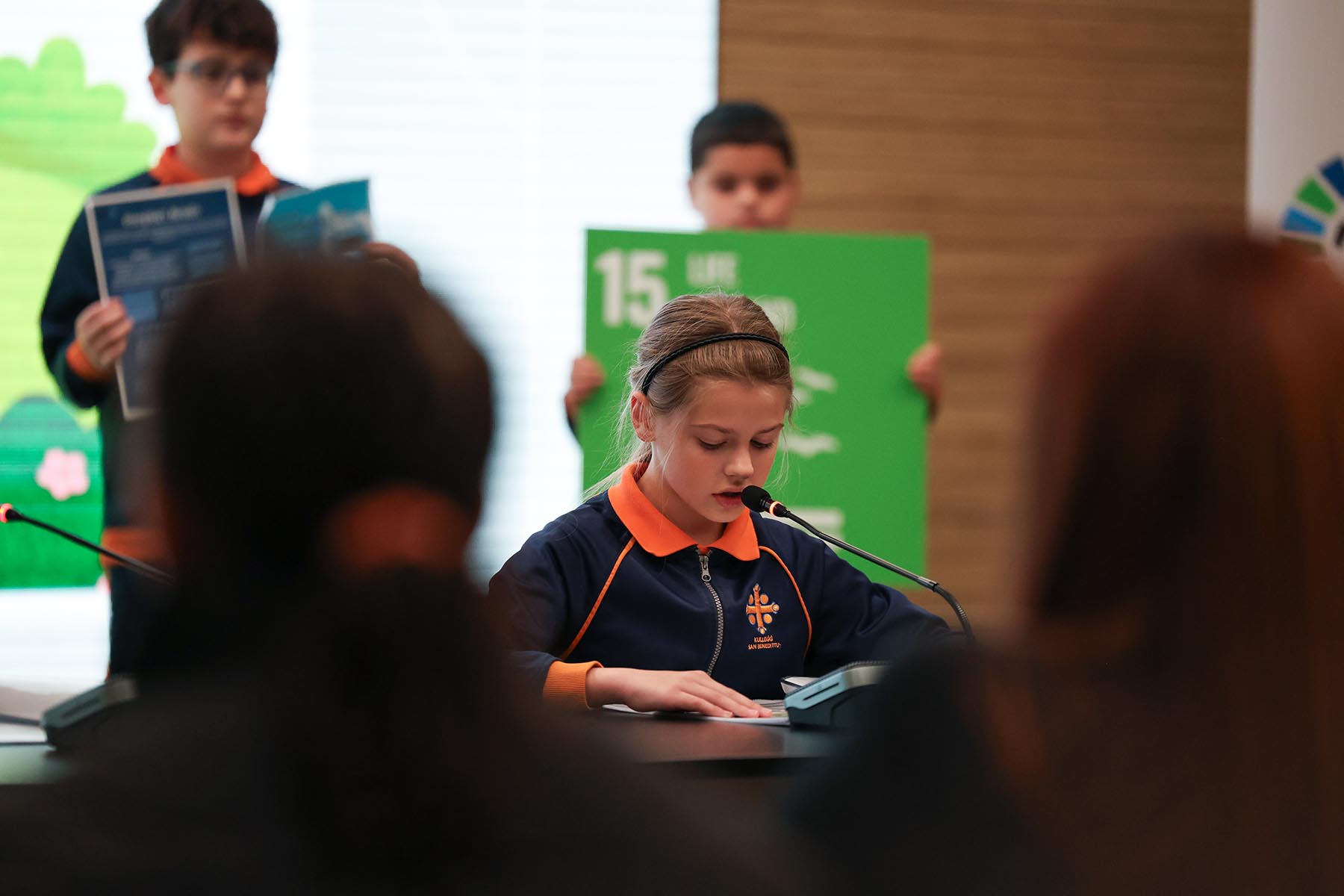
Conserving Life on Land | The project engaged students in classroom activities to explore biodiversity and endangered species. Students researched animals and wrote non-chronological reports, acted out roles in a classroom ecosystem game to understand interdependence, and designed bookmarks featuring native species and environmental messages. These activities integrated English, Science, and Art while fostering awareness of ecosystems, human impact, and the importance of protecting biodiversity. |
| 16 | St Benedict College Prof. Anton Tabone Birżebbuġa Primary School |
Celebrations of Multiculturalism – Building Respect, Empathy, and Positive Relationships | The school community included learners from diverse backgrounds, which was considered one of its greatest strengths. Students, parents, and families participated in multicultural events celebrating different cultures, languages, and traditions, creating opportunities for sharing and learning. Daily practices promoted justice, fairness, and respect through open dialogue and equitable treatment, helping students understand their role in building inclusive, peaceful communities within the school. |
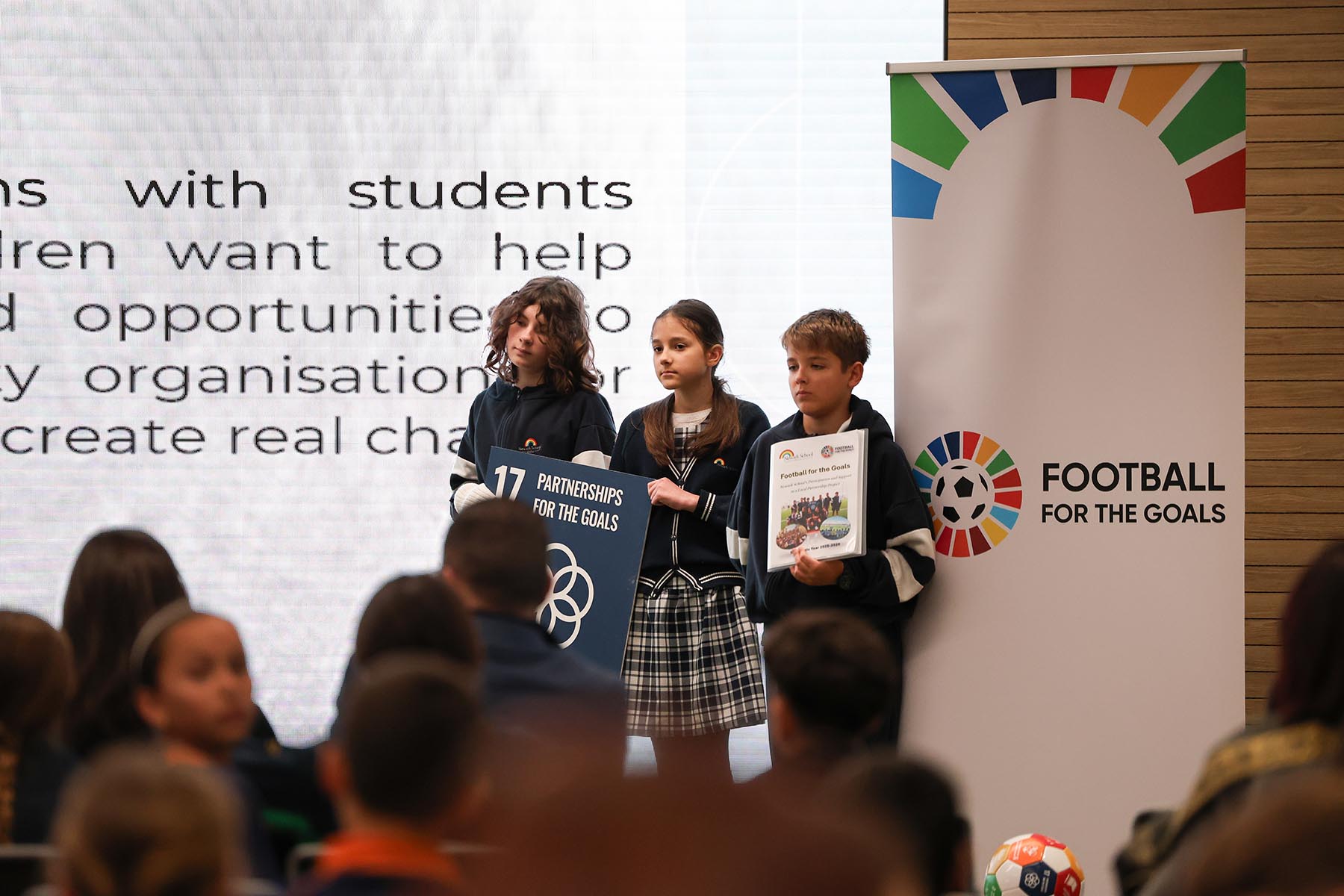
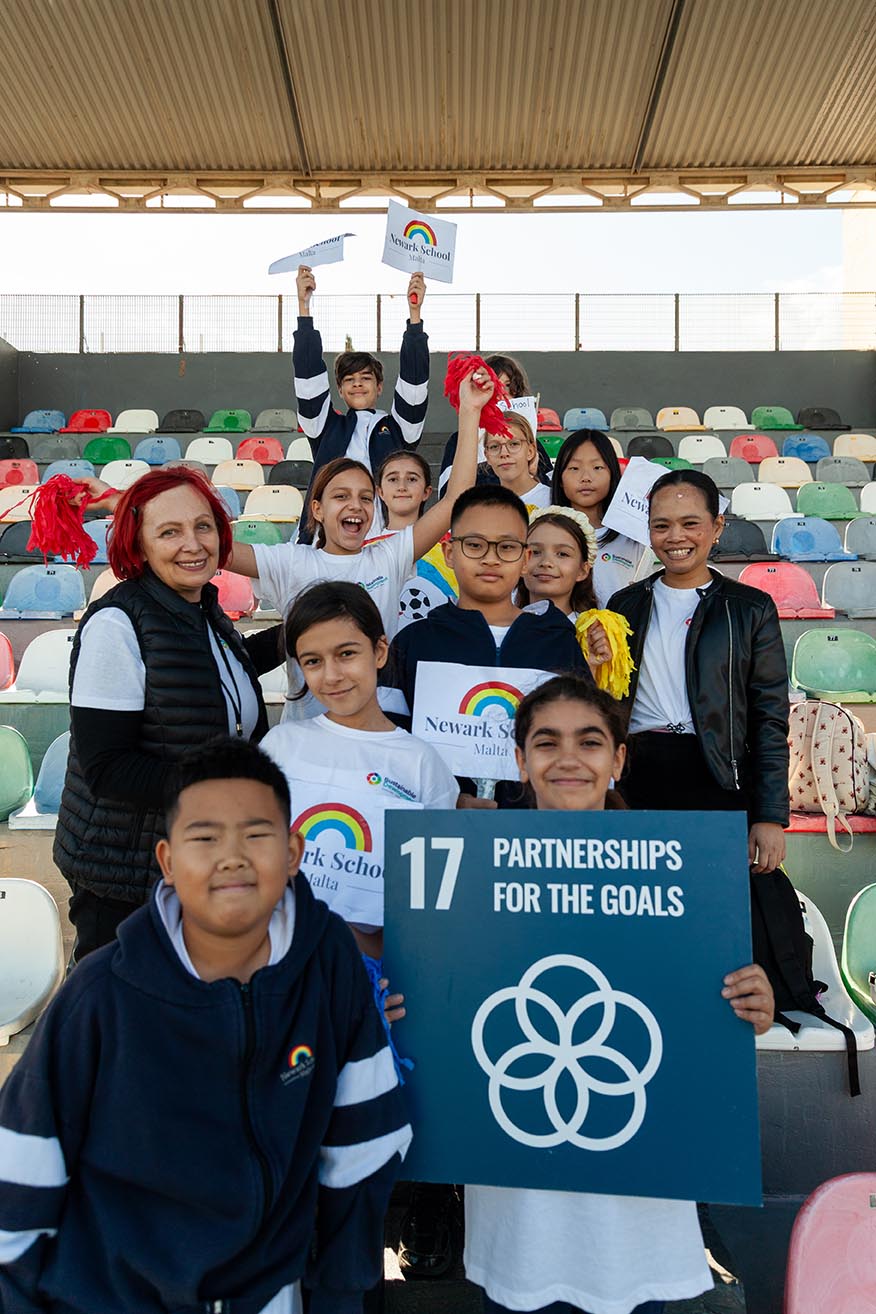
| 17 | Newark School | Fostering Empathy, Social Responsibility, and Active Citizenship | The project brought together students, the school, and local organisations to foster empathy, social responsibility, and active citizenship. Students participated in visits to orphanages and elderly homes, fundraising drives, craft fairs, and awareness sessions, while also taking part in activities like meditation and a PE Sock Ball tournament. Through these partnerships, they learned about community needs, teamwork, and compassion, with outcomes shared in the school newsletter and a hardbound record. |