

Multi-Stakeholder
Collaborating for
Sustainability
The Sustainable Development Multi-Stakeholder Forum is Malta’s national platform for dialogue, collaboration, and coordinated action on the 2030 Agenda for Sustainable Development and Malta’s Sustainable Development Strategy for 2050. Bringing together government representatives, local and regional councils, the private sector and industry representatives, voluntary organisations, youth representatives and academia, the Forum ensures that sustainable development in Malta is shaped through broad participation and shared responsibility.
Given the cross-cutting nature of both the United Nations’ SDGs and Malta’s own Sustainable Development Strategic Goals, meaningful progress requires the active participation and collaboration of all sectors of society.
Emanating from and rooted in the principles highlighted in Malta’s Second Voluntary National Review, the Forum supports a whole-of-government and a whole-of-society approach by
- Facilitating structured dialogue on national sustainable development priorities;
- Gathering diverse perspectives to inform policy design and implementation;
- Promoting transparency and accountability in Malta’s SDG progress;
- Encouraging collaboration across sectors to accelerate sustainable solutions; and
- Showcasing initiatives and best practices from various stakeholder groups.
The Forum acts as a bridge between national policy processes and the lived experiences of communities, ensuring that Malta’s sustainable development pathway is inclusive, evidence-based, and aligned with long-term social, economic, and environmental wellbeing.
2024
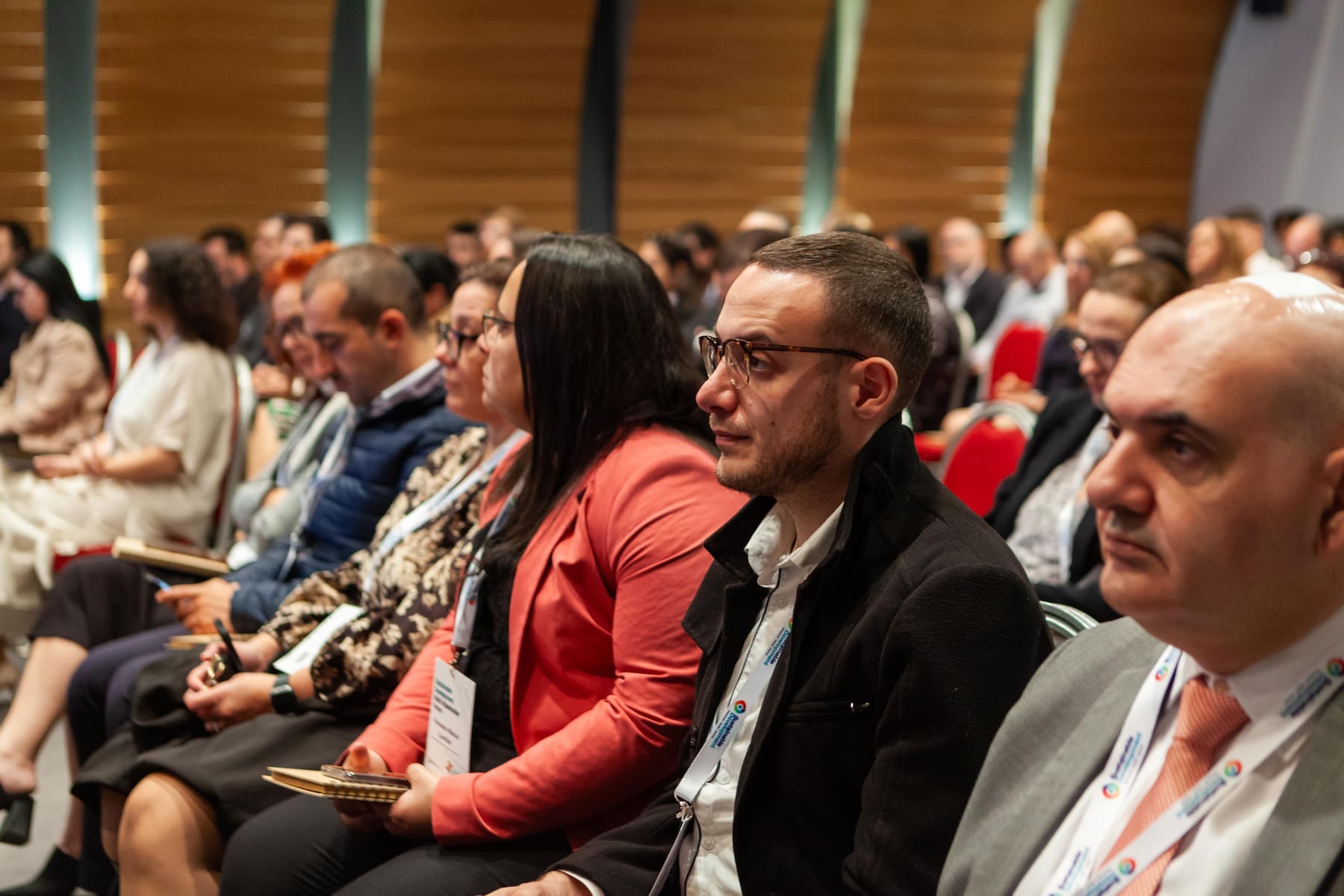
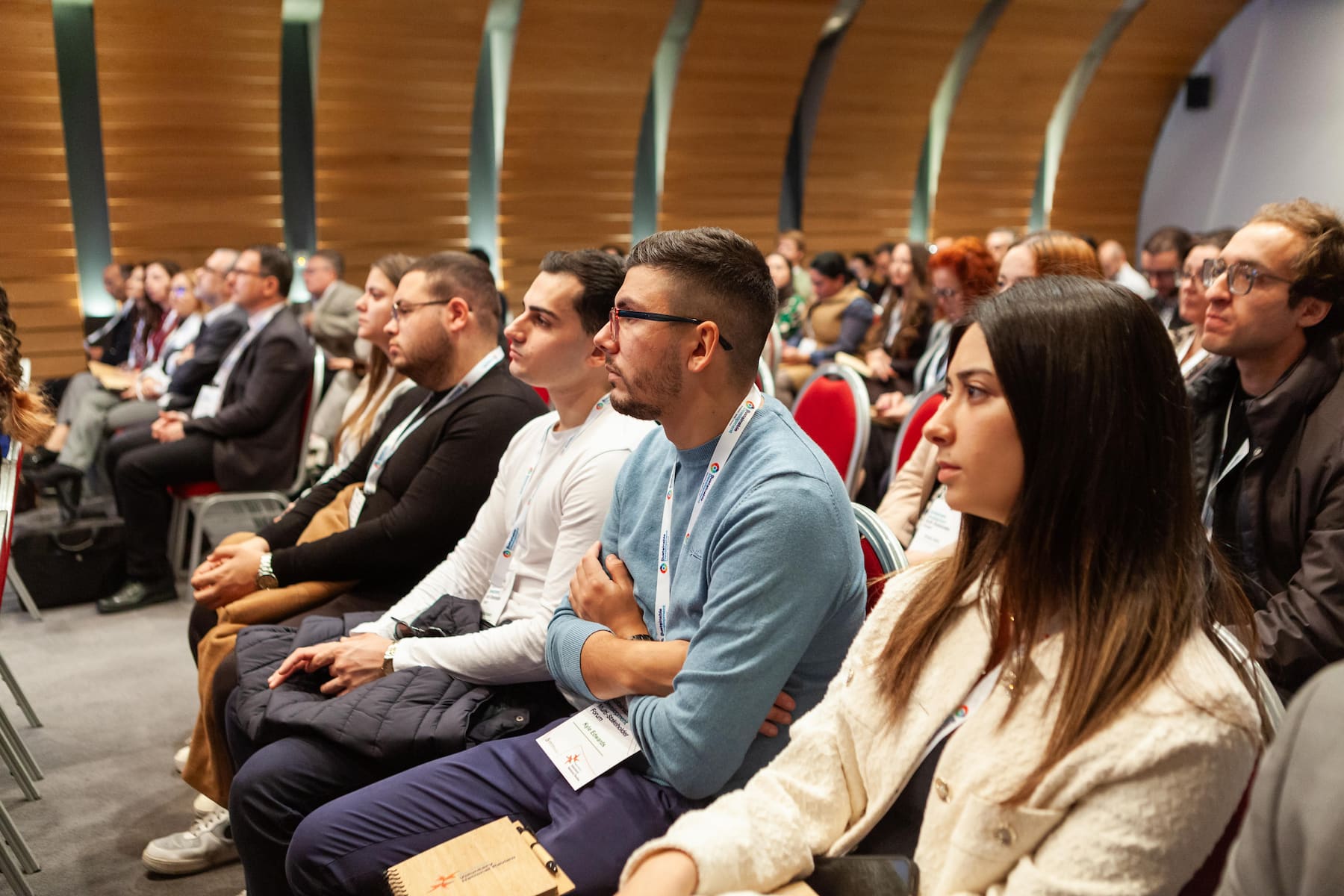
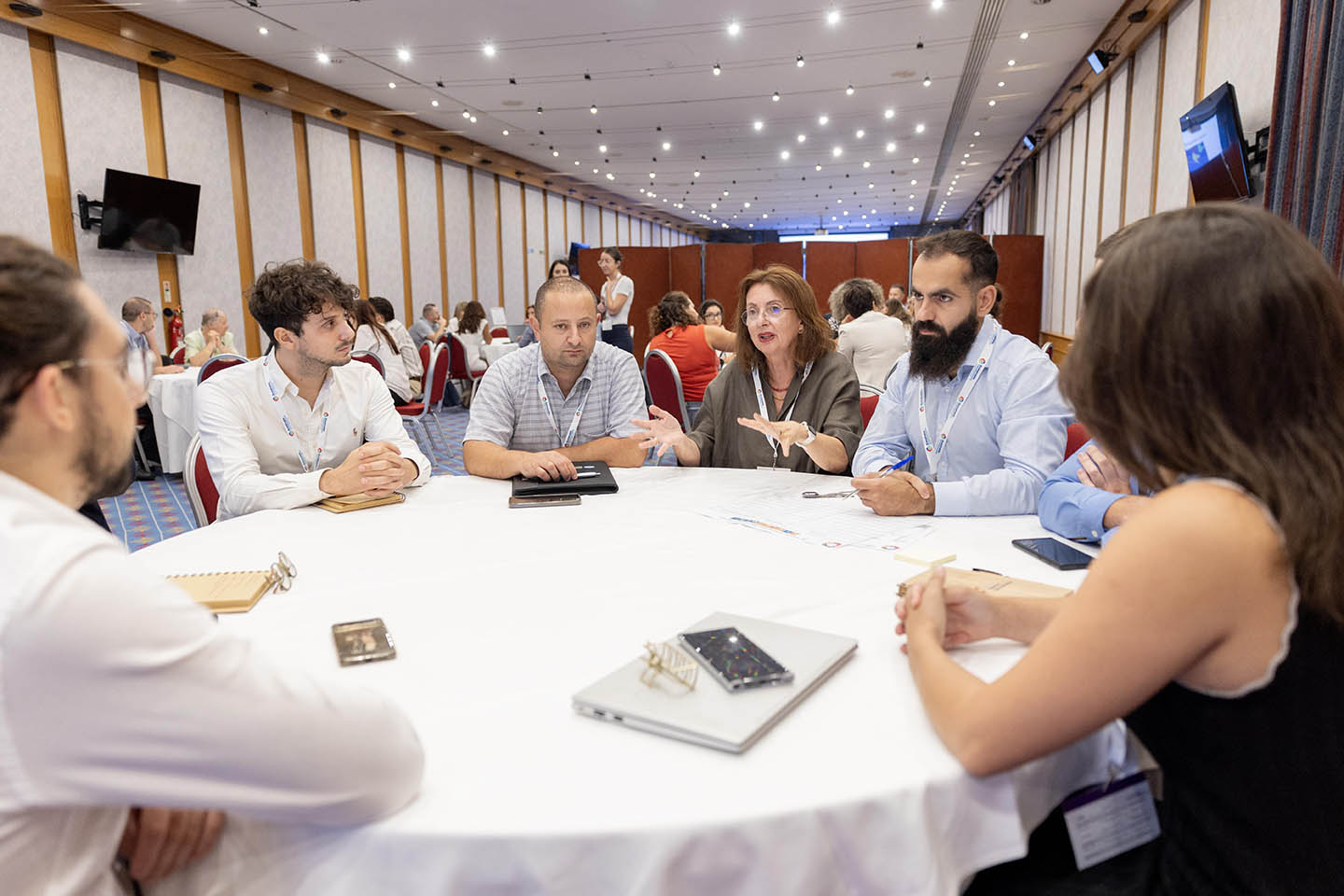
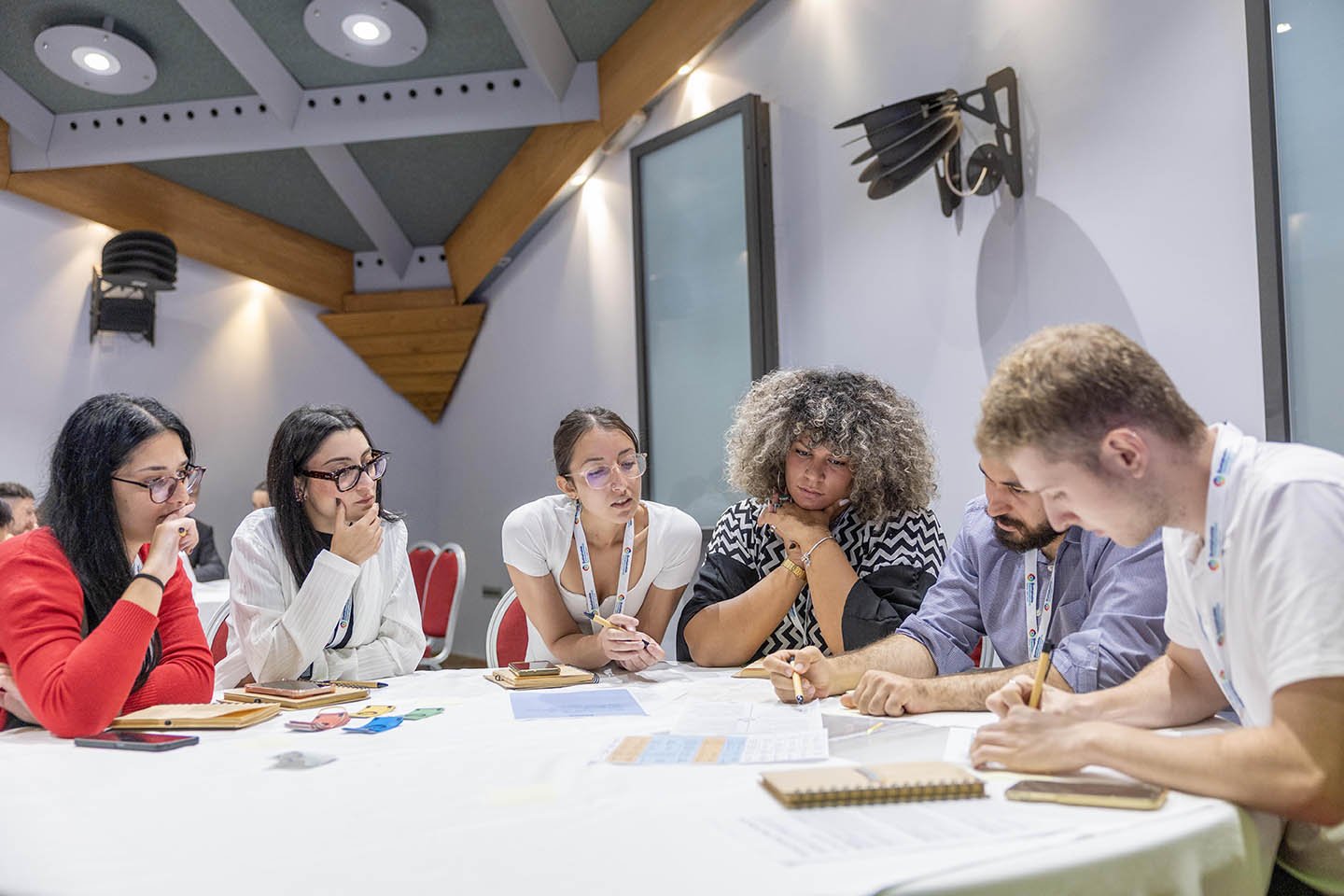
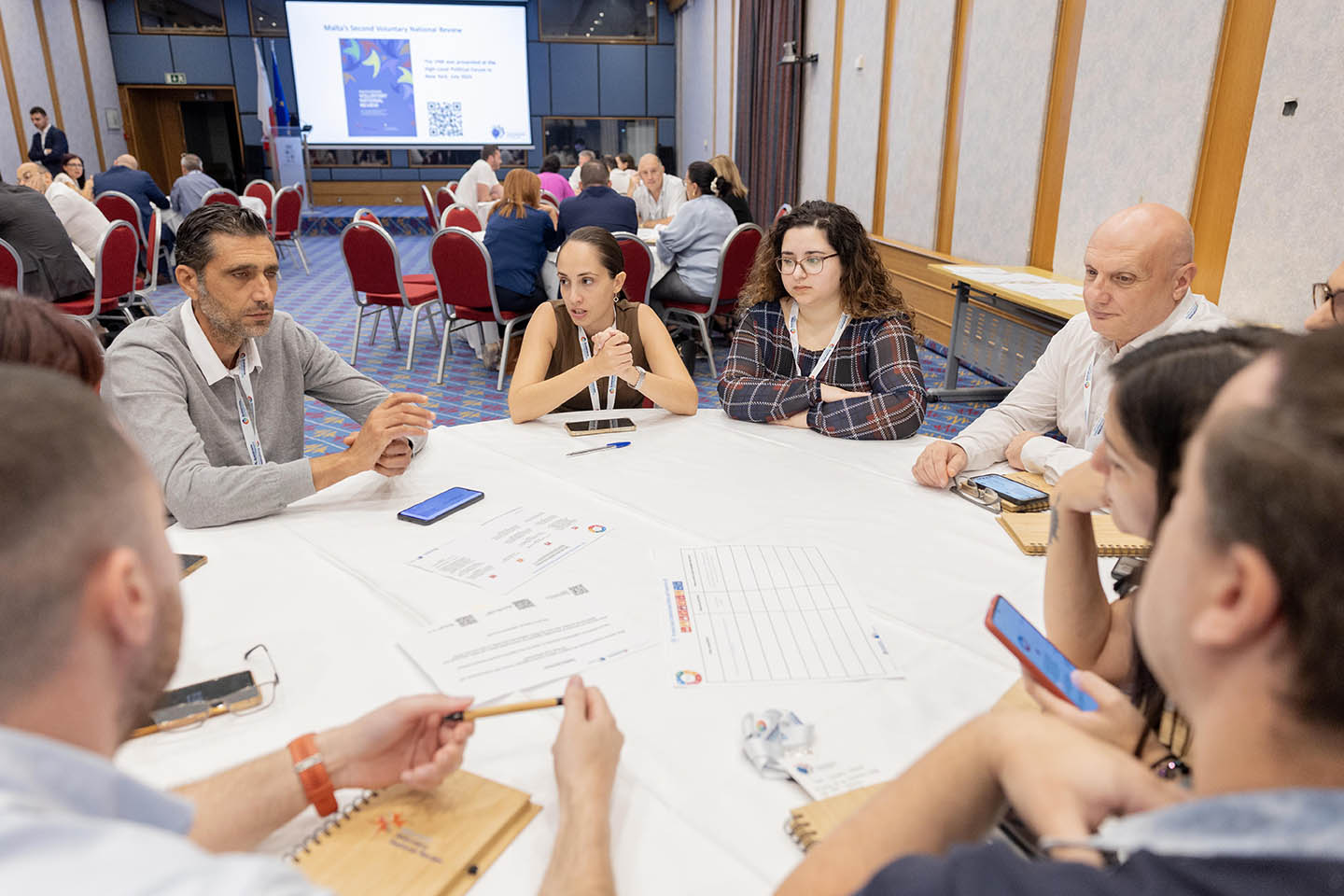
The first edition of the Sustainable Development Multi-Stakeholder Forum, held in November 2024, was a central part of the preparation of Malta’s Second Voluntary National Review. The Forum brought together representatives from public administration, local councils, voluntary organisations, academia, the private sector, and other key actors for a series of thematic workshops and plenary discussions.
Participants examined Malta’s progress on the SDGs, exchanged insights on emerging challenges and opportunities, and contributed perspectives on the country’s sustainable development priorities. The Forum played a crucial role in fostering cross-sector dialogue and collaboration, ensuring that the VNR process was inclusive and reflective of a broad spectrum of views and experiences.
Welcome Coffee & Registration
8:45 – 9:30
Opening
9:30 – 10:00
Workshops
10:05-12:10
Waste & Responsible Consumption
Good Health & Wellbeing - The Public Health System, Active Lifestyles & Good Nutrition
Sustainable Urban Development & Resilient Towns & Villages
Water & Energy
Culture & Heritage
Research & Innovation for Sustainable Growth
Lunch Break
12:10-13:00
Workshops
13:05-15:15
Sustainable Food Systems
Digitally Empowered Economy & Society
Combatting Poverty and Social Exclusion – Leaving No One Behind
Protecting, Conserving and Enhancing Natural Capital
High Quality Education & Training & Value-Added Jobs
Safe and Integrated Communities, Equal Opportunities and Justice System – Leaving No One Behind
Closing
14:25-15:00
2025
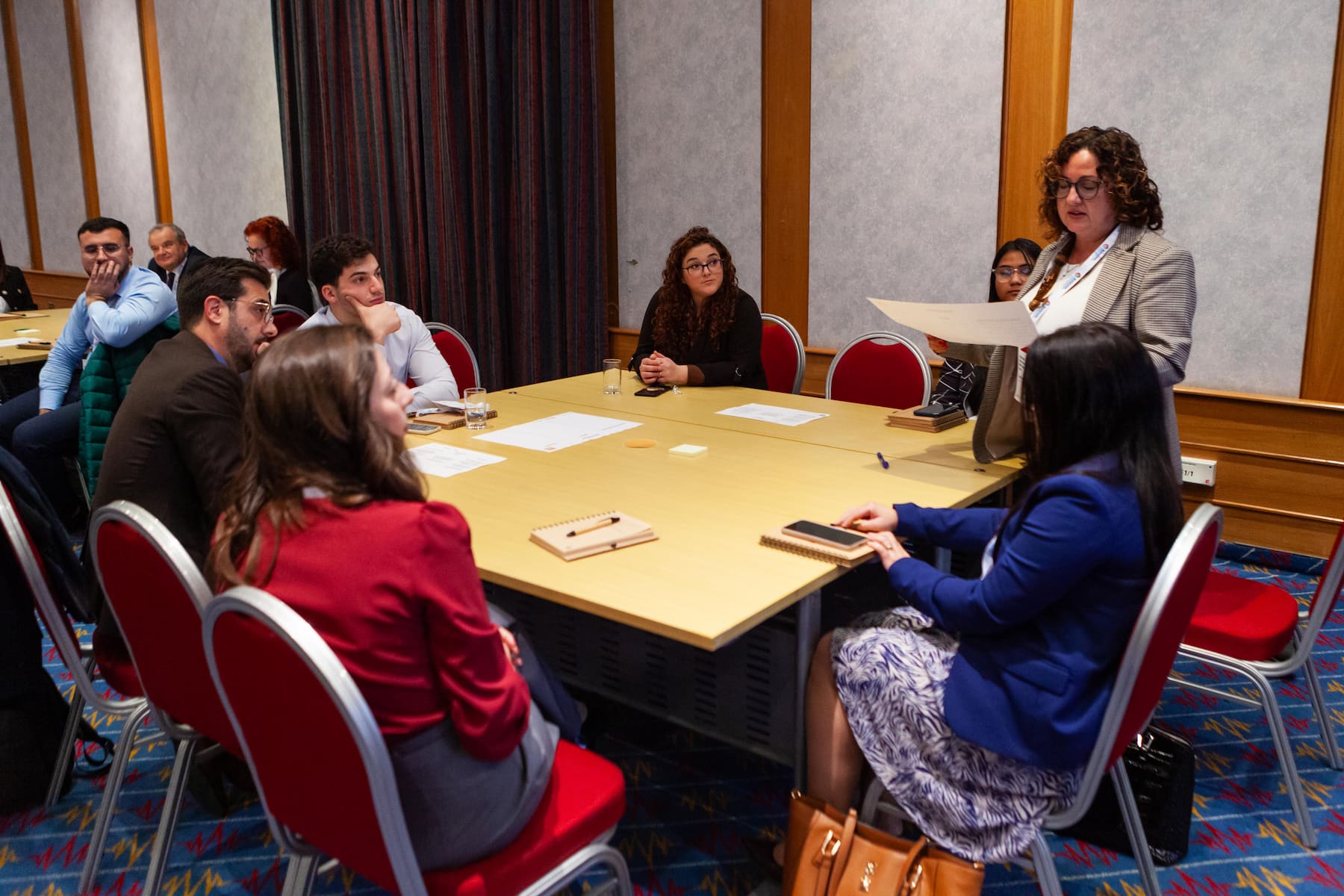
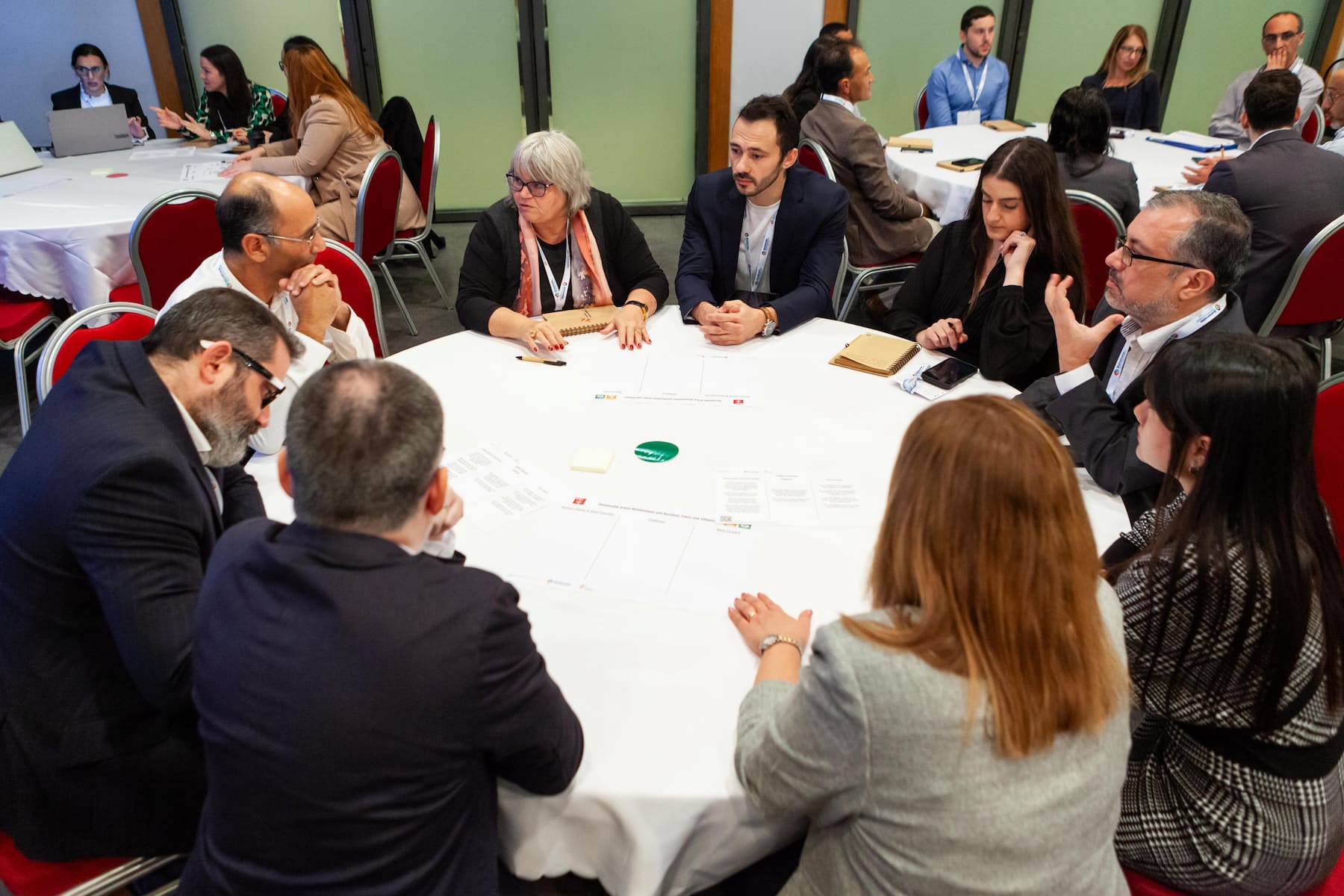
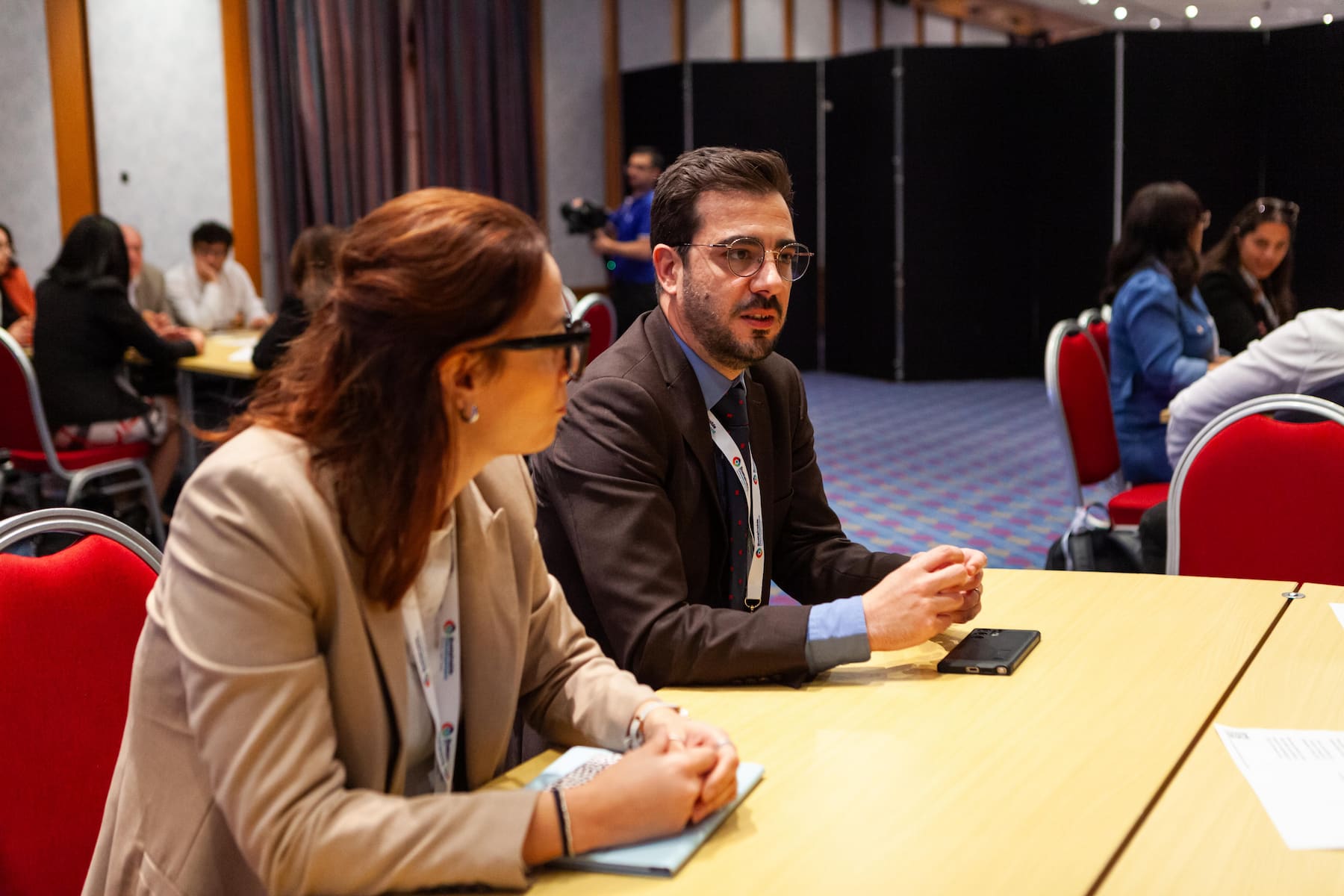
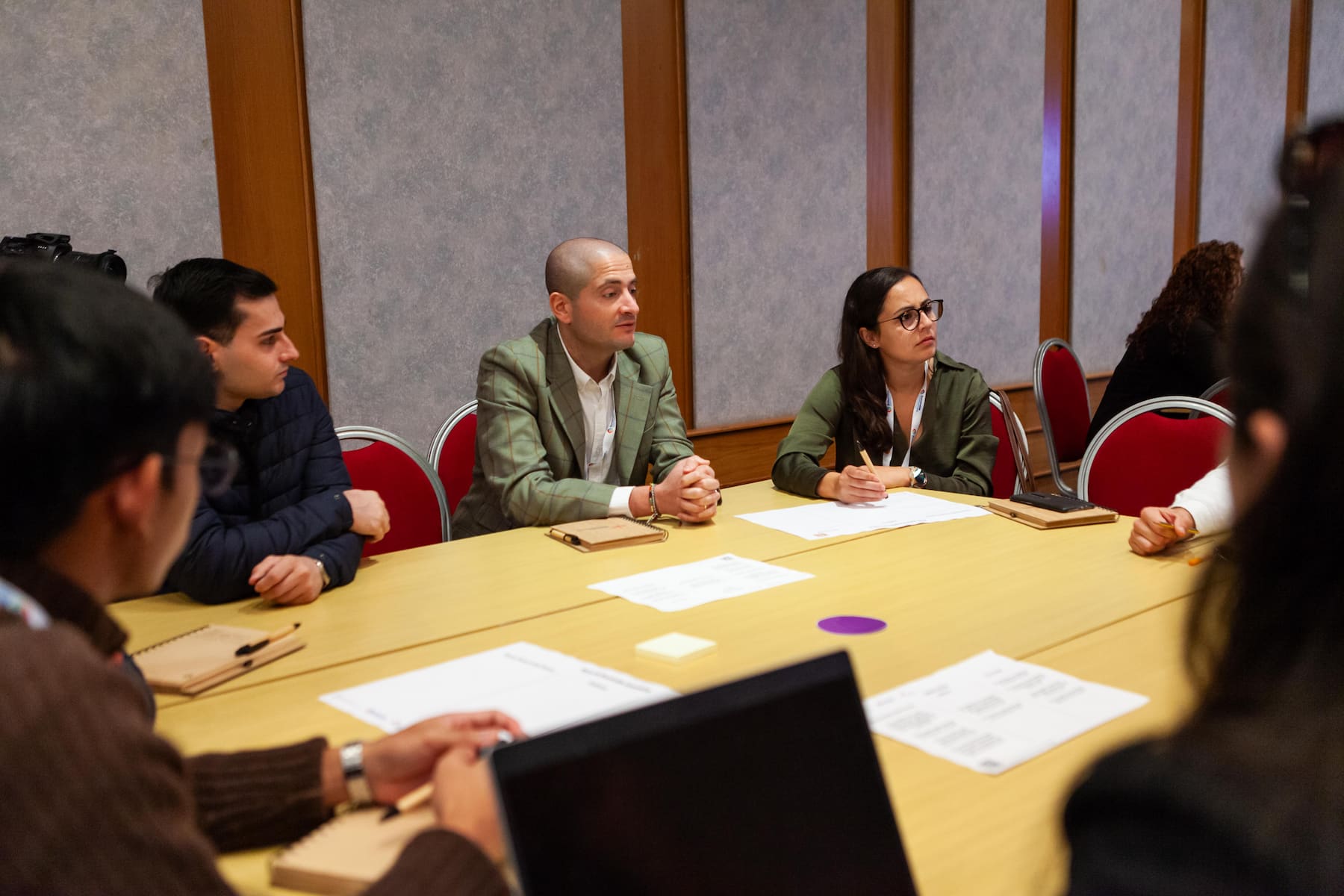
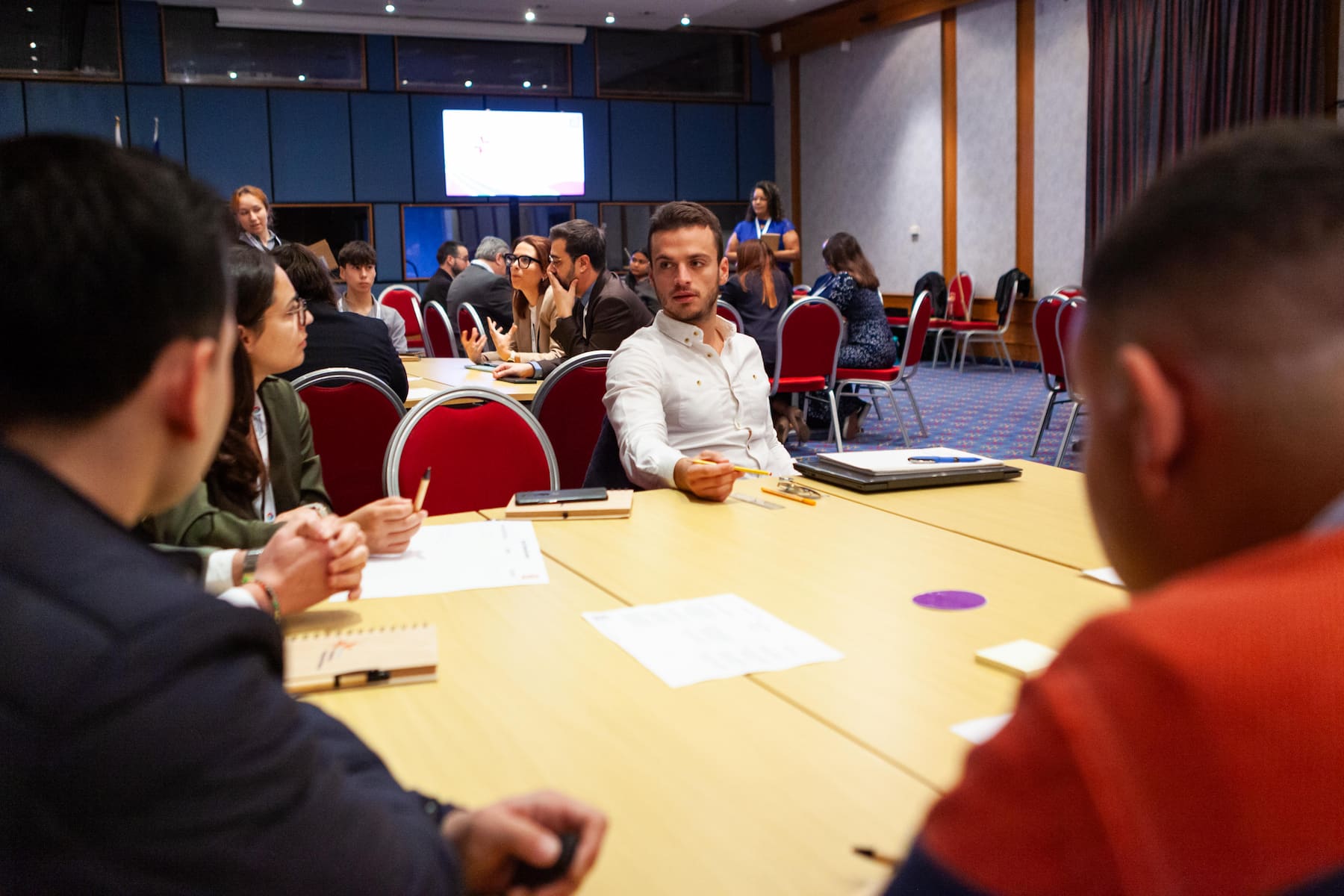
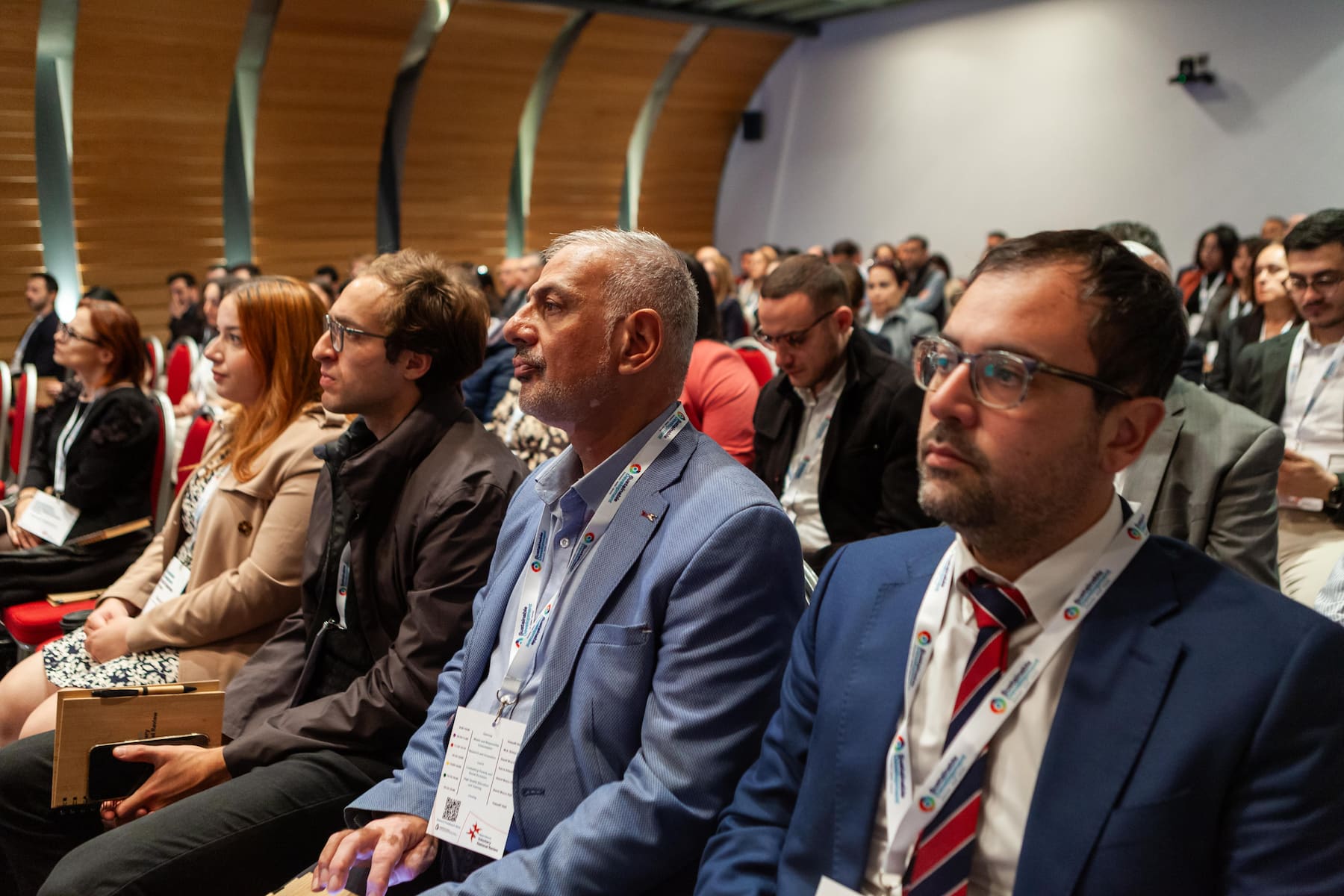
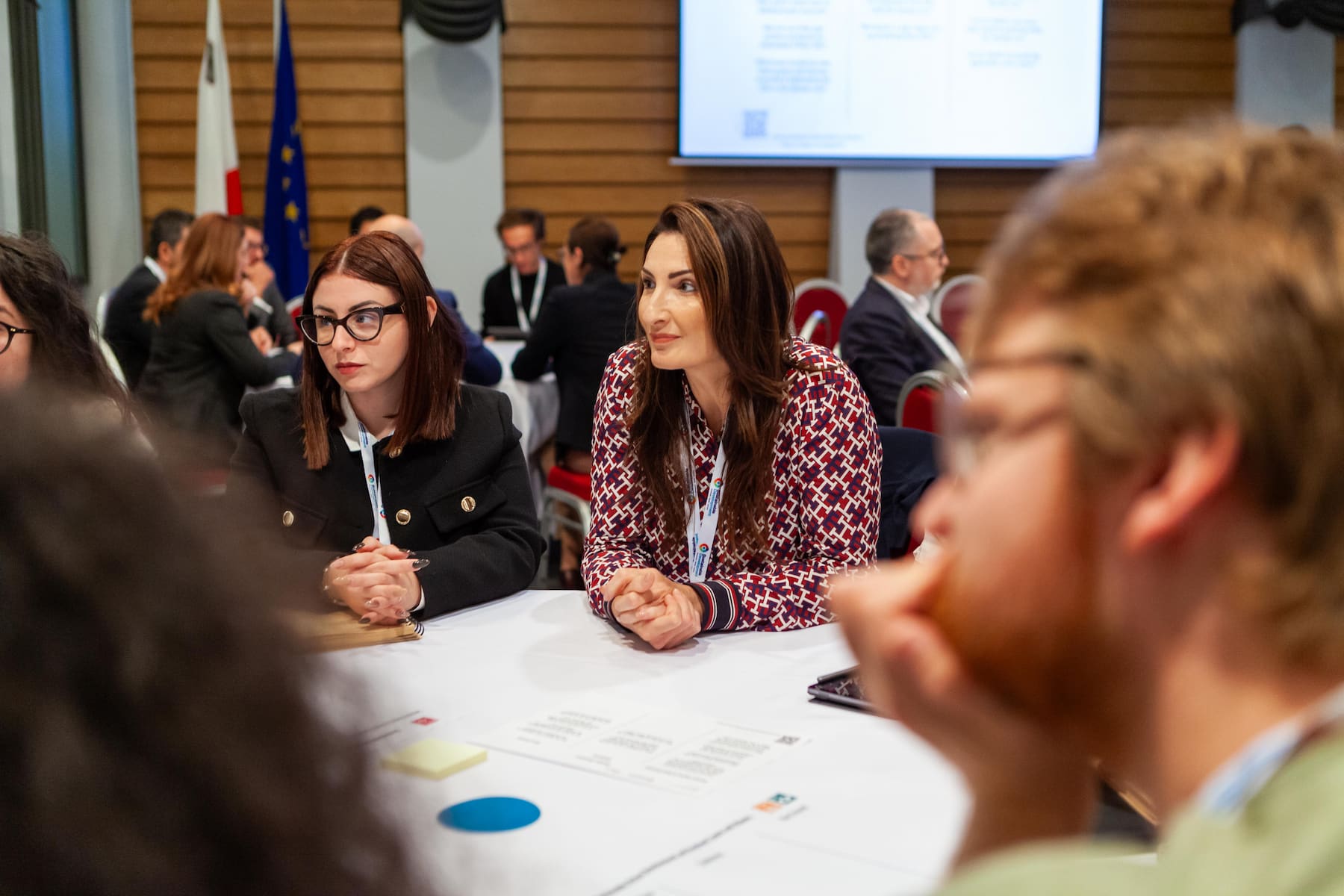
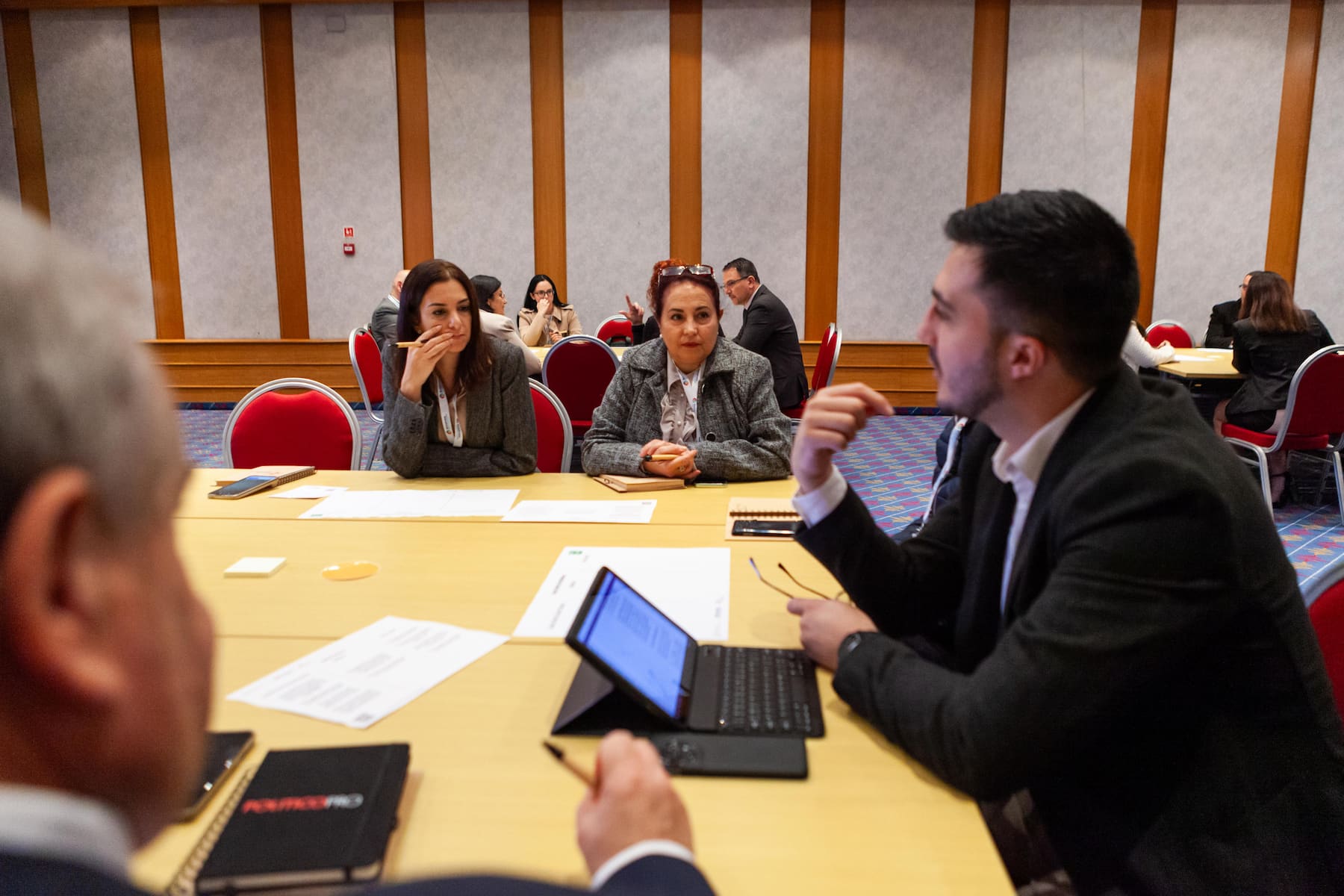
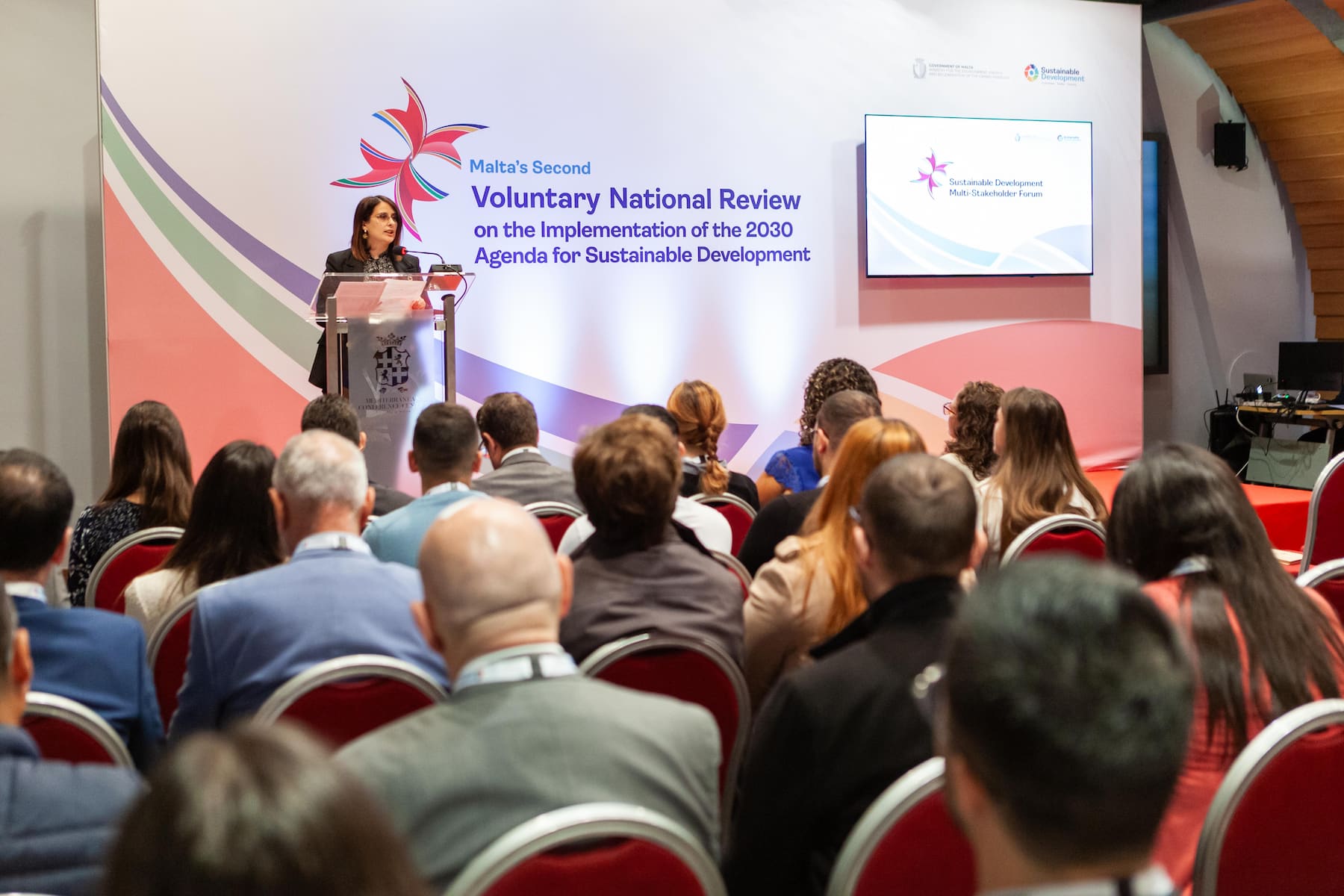
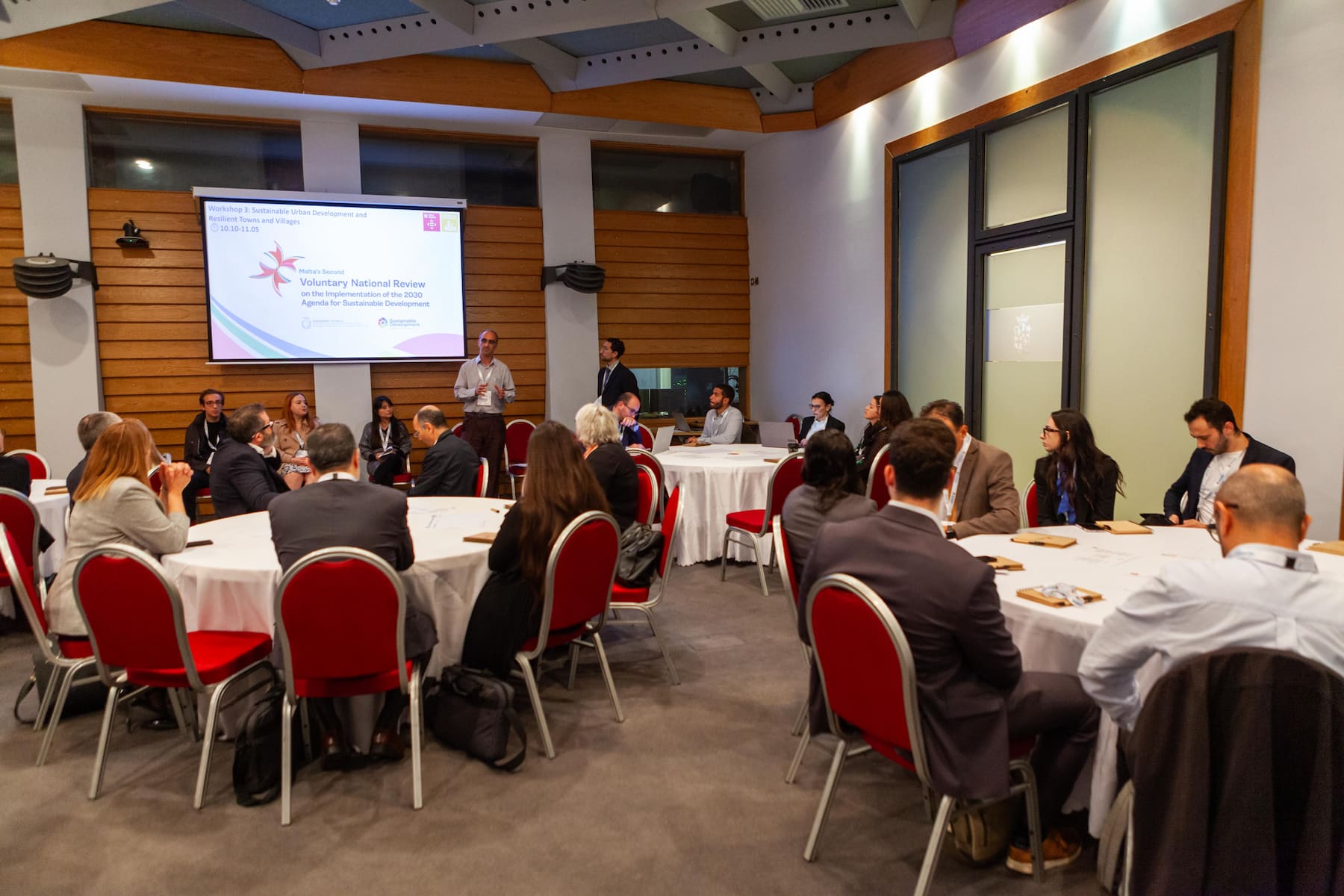
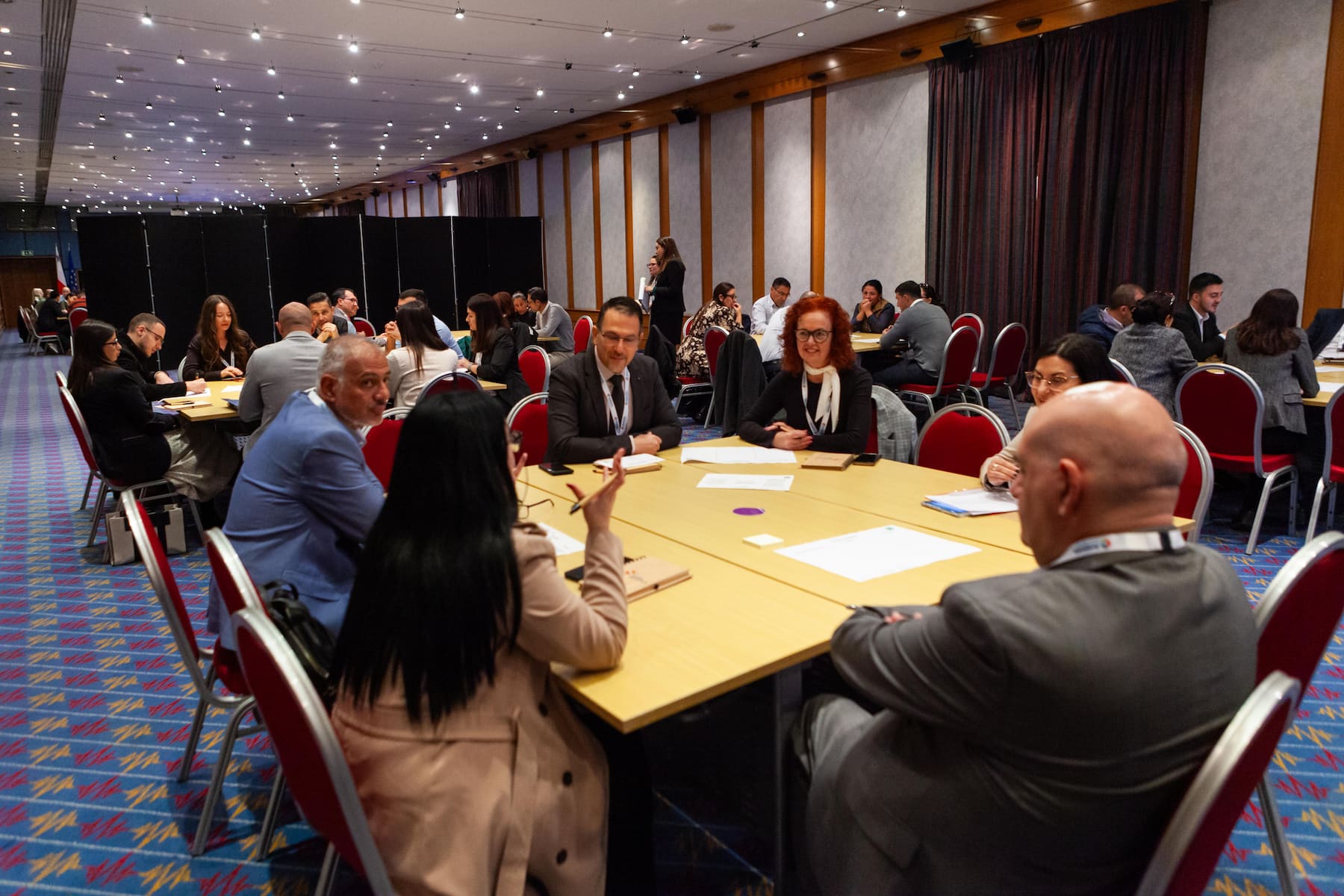
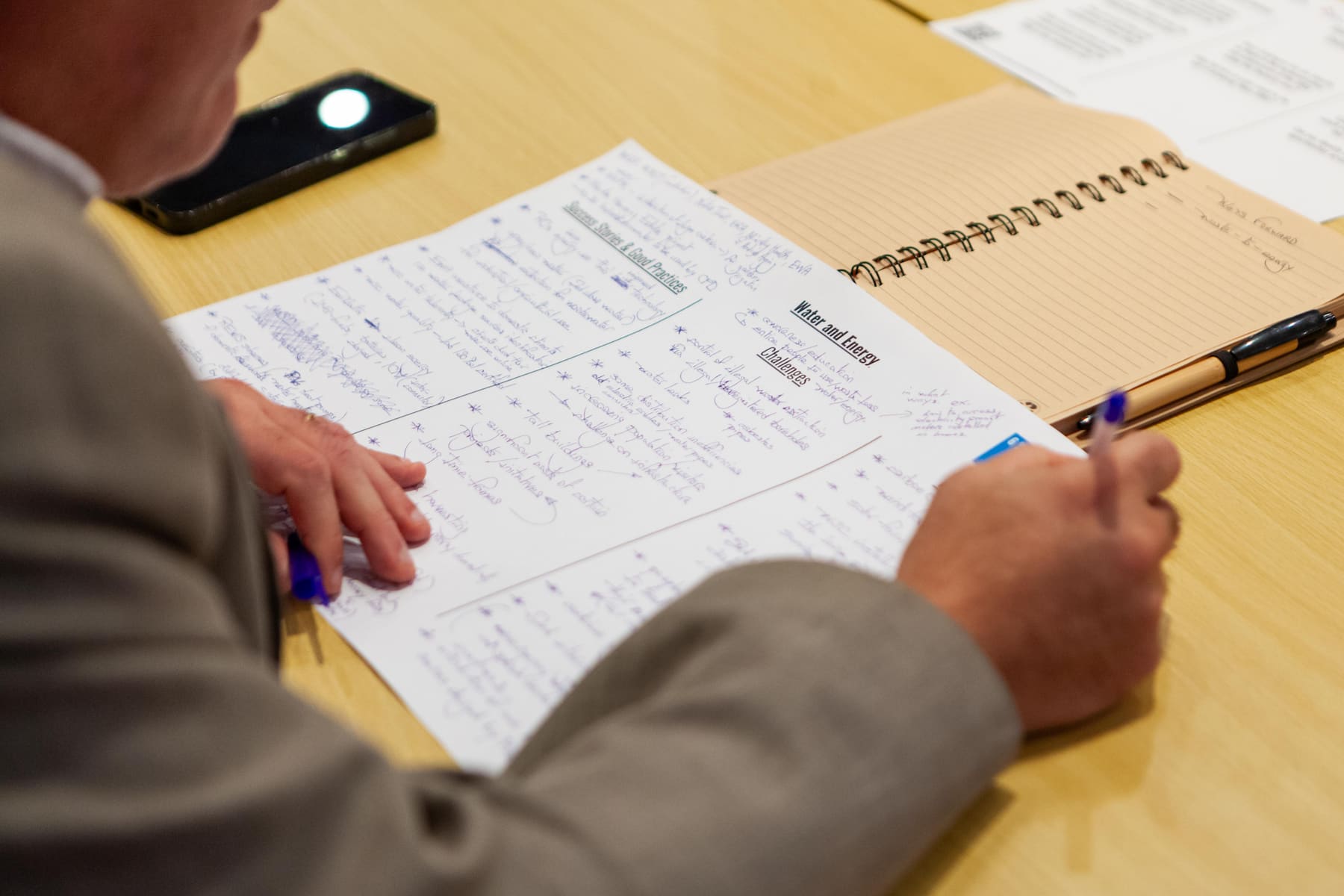
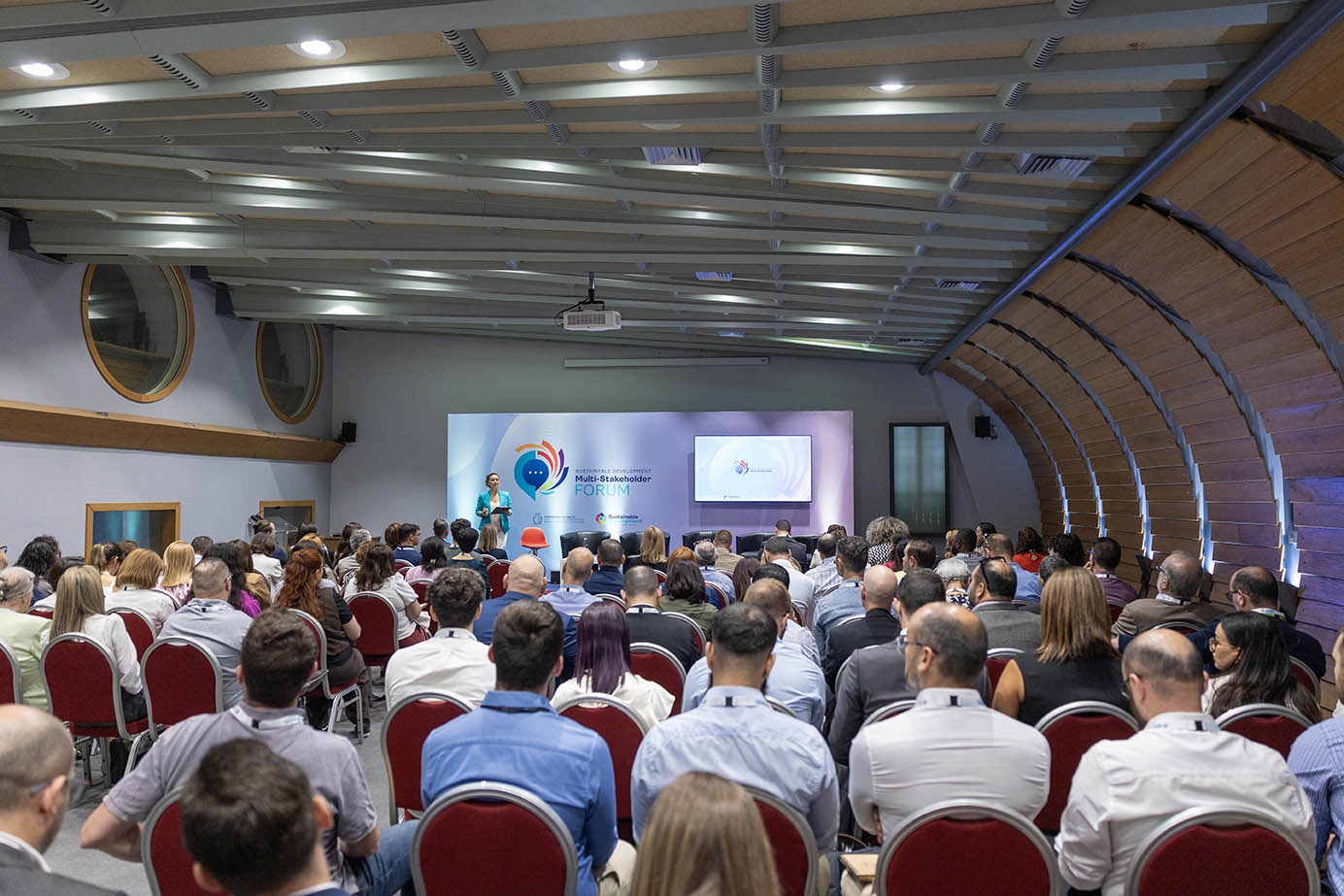
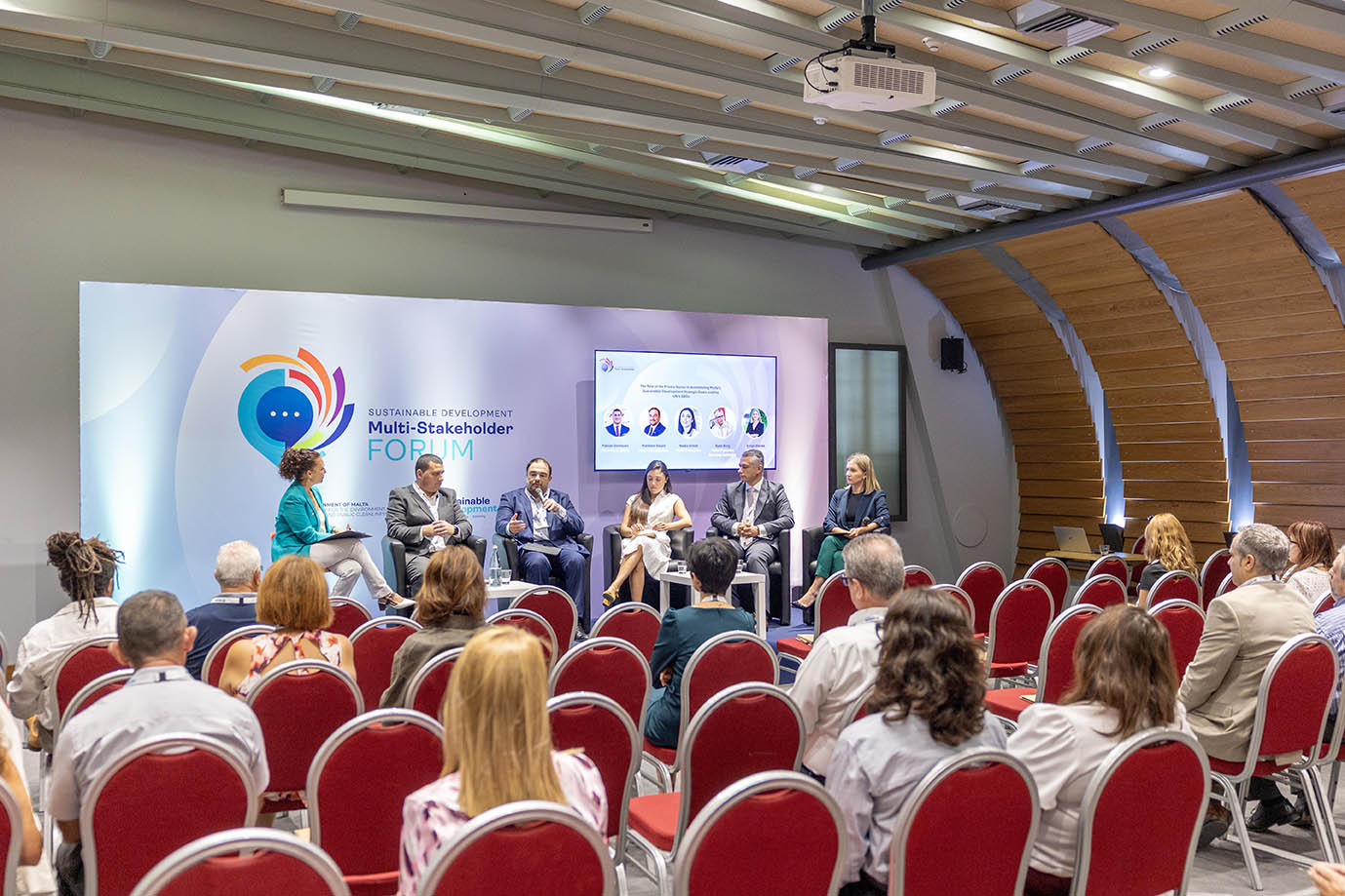
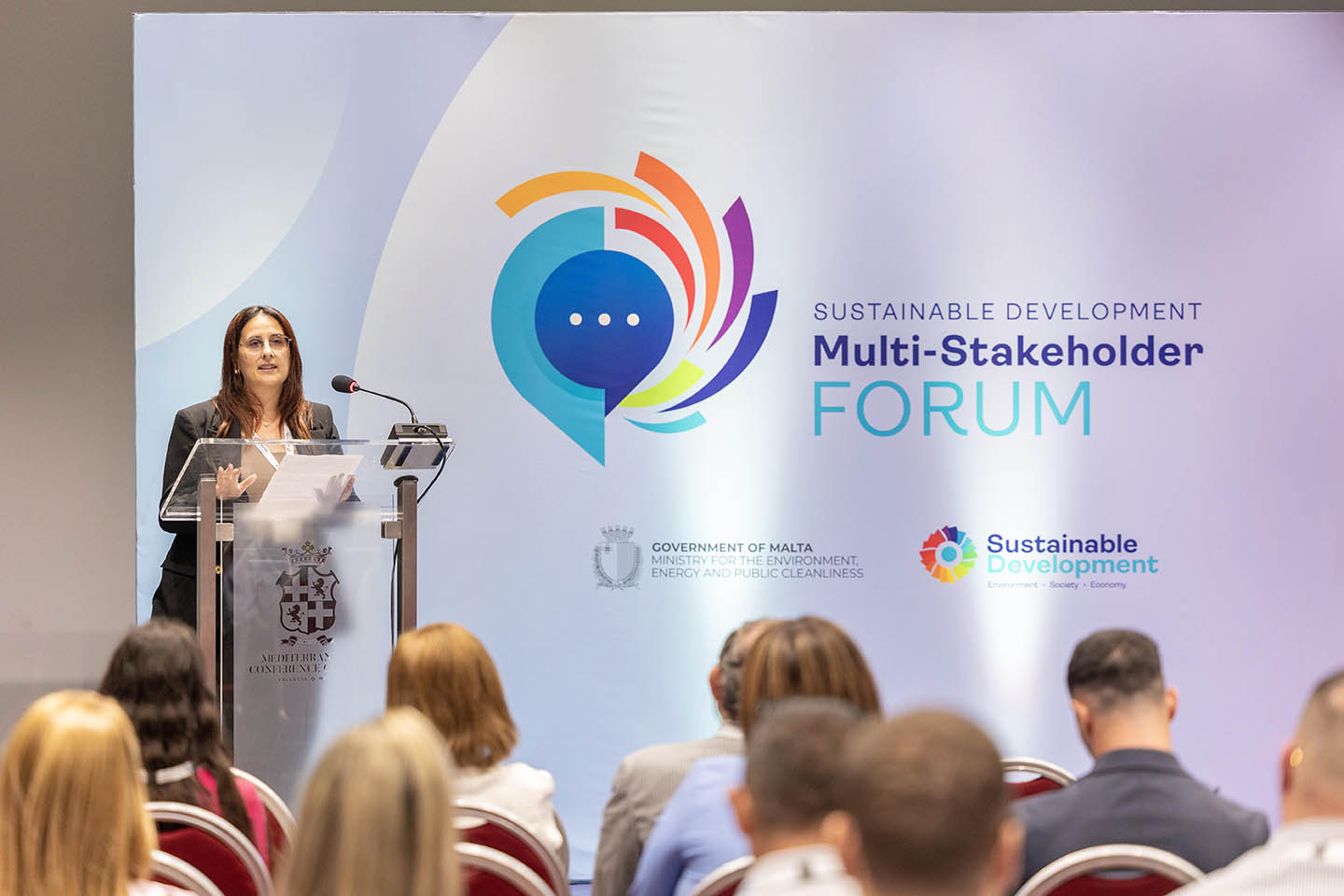
The second edition of the Sustainable Development Multi-Stakeholder Forum was held on 1 October 2025 as part of Malta’s Sustainable Development Action Days 2025, building off the success of the first edition in 2024. It represented a significant opportunity to assess priority areas and discuss ongoing and needed actions towards advancing the Sustainable Development Goals (SDGs) of the Agenda 2030, and for materialising Malta’s five Sustainable Development Strategic Goals emanating from Malta’s Sustainable Development Strategy for 2050. The Forum brought together representatives from Government, local and regional councils, voluntary organisations, academia, youth representatives, the private sector, and other key actors.
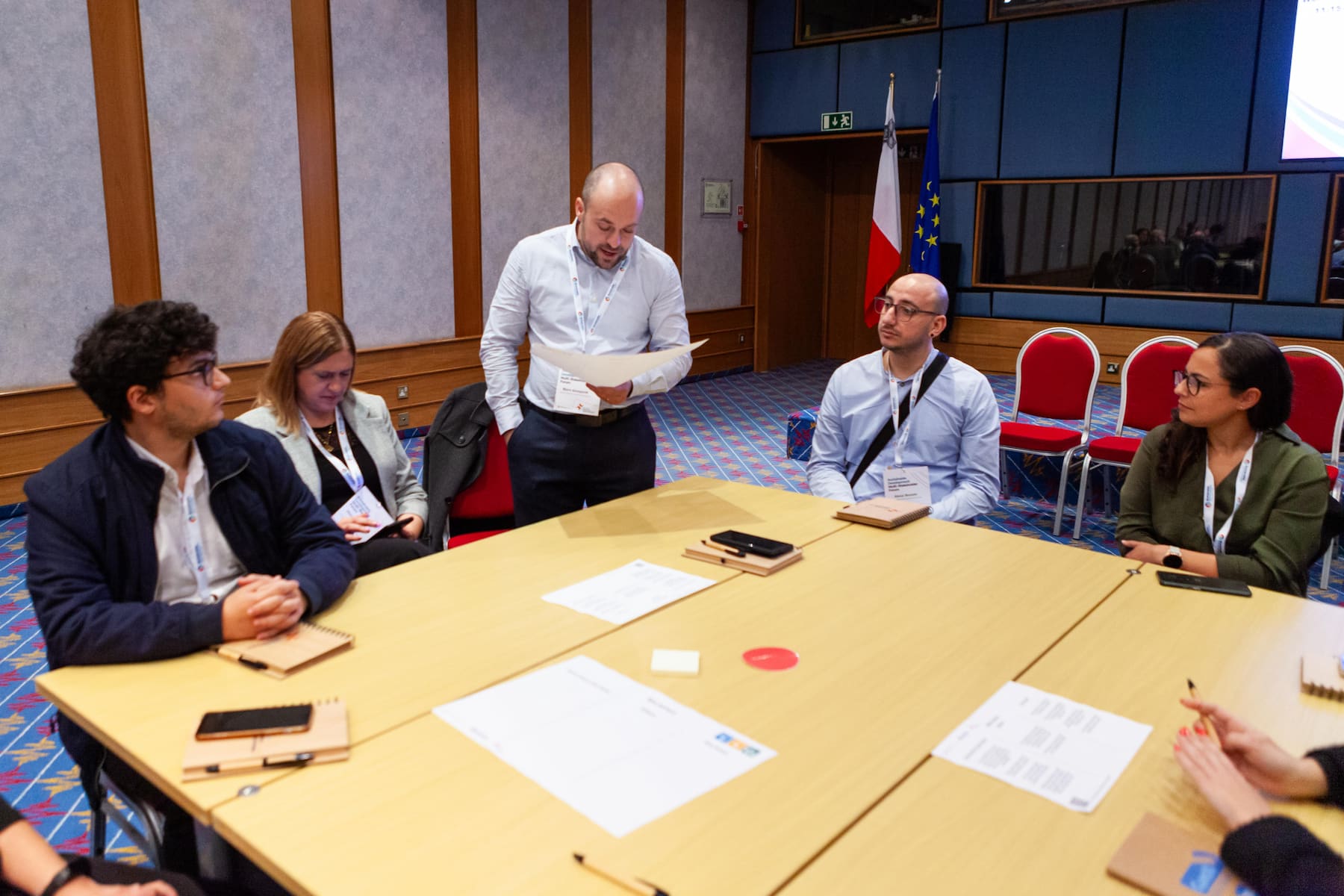
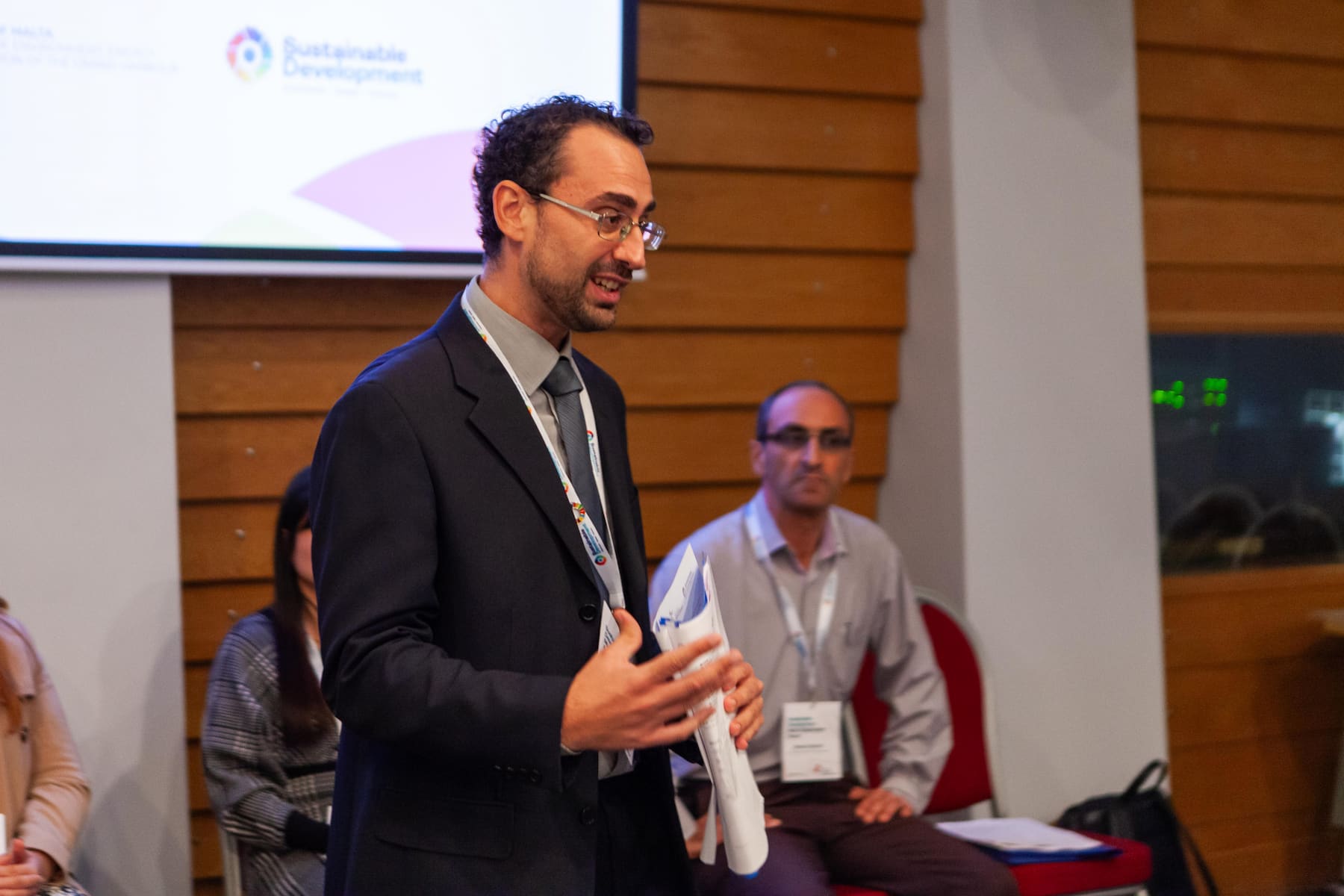
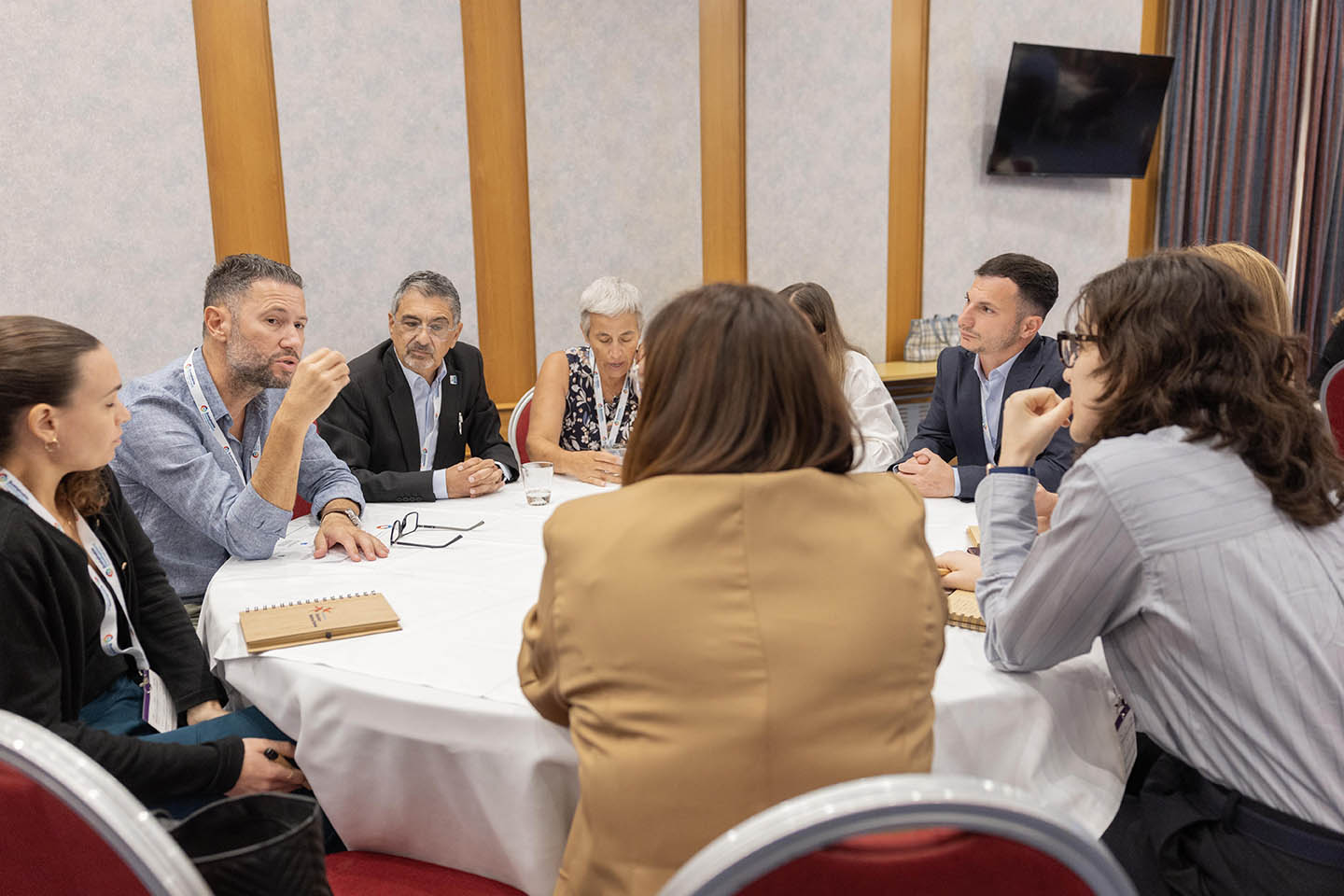
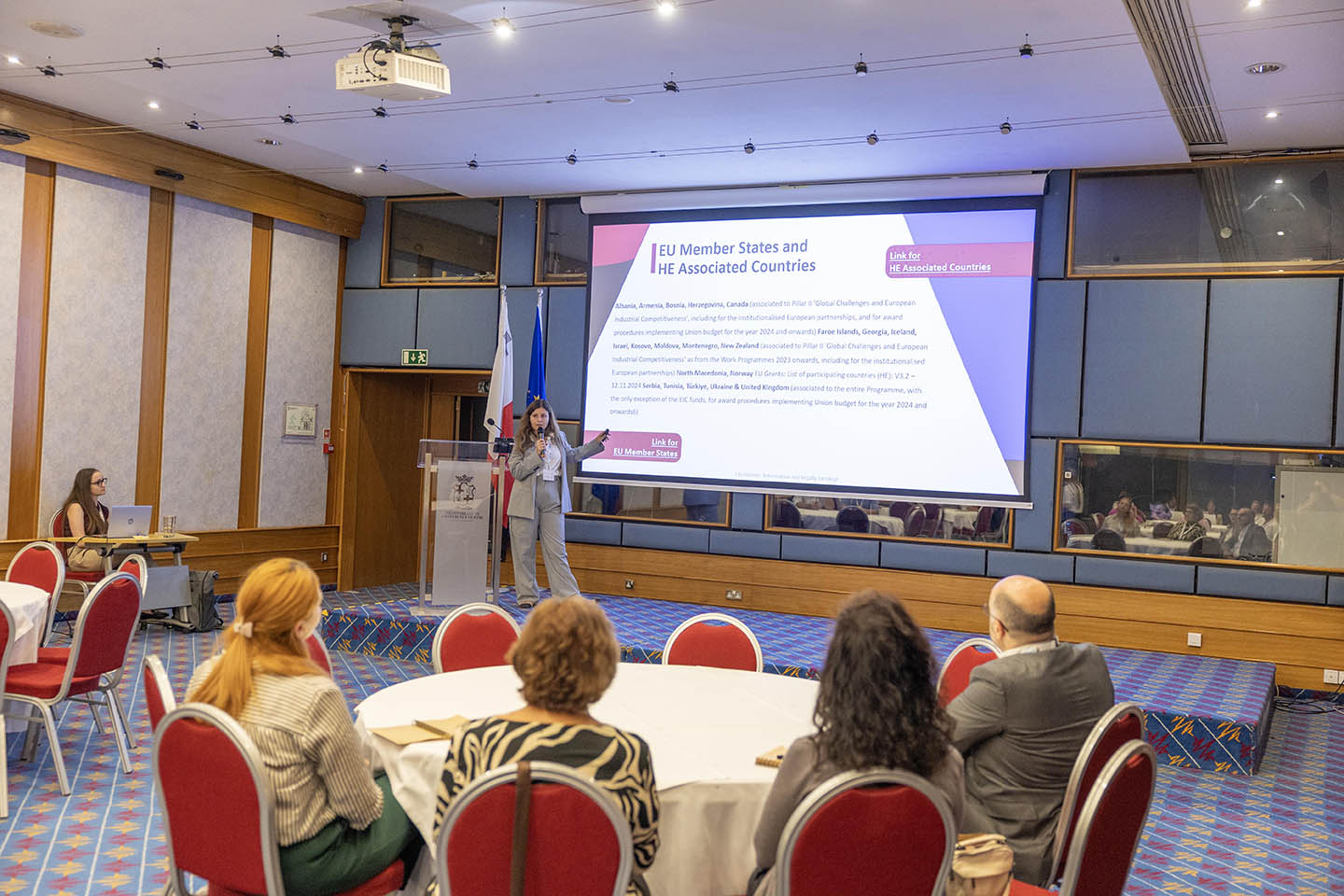
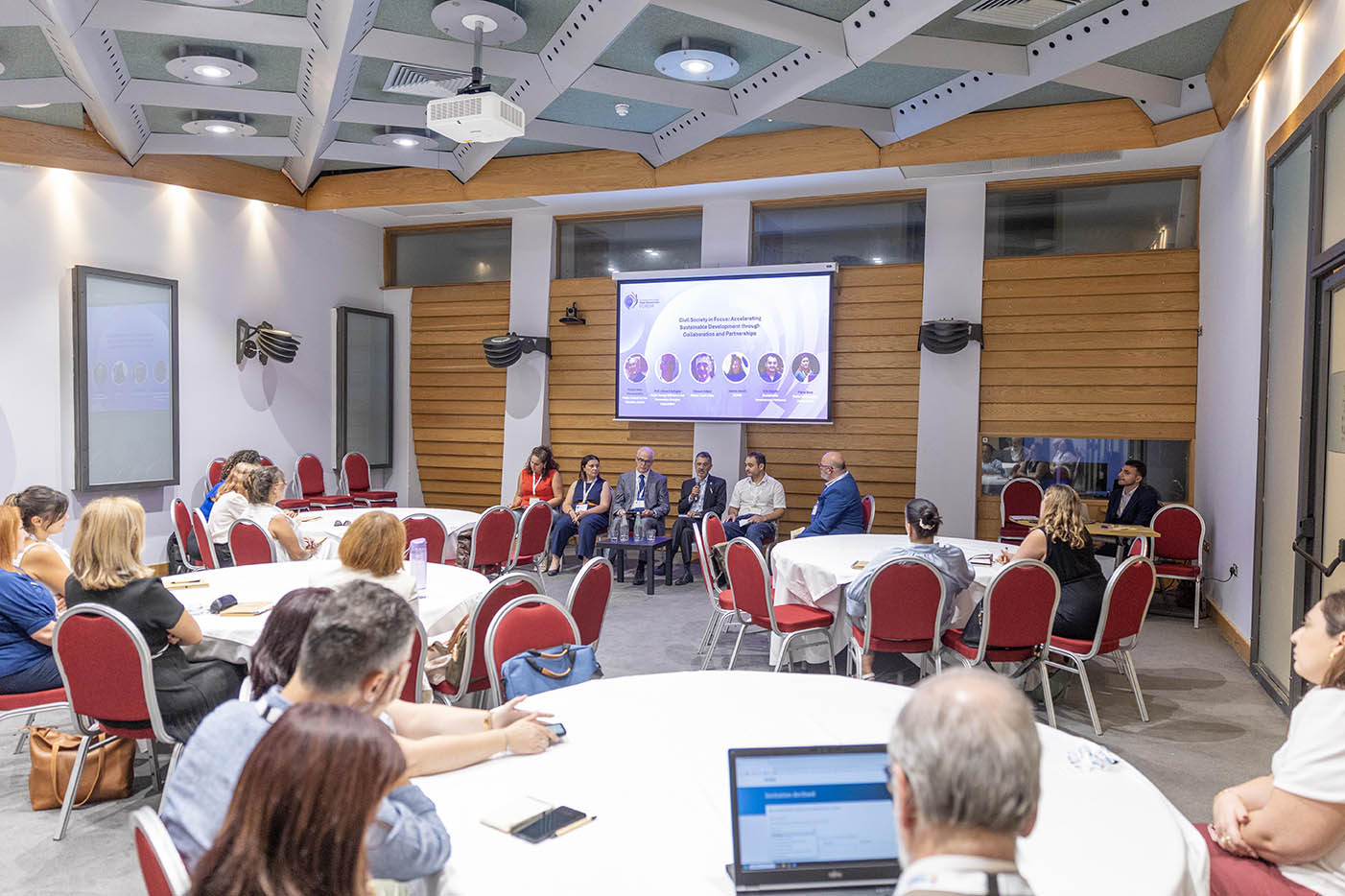
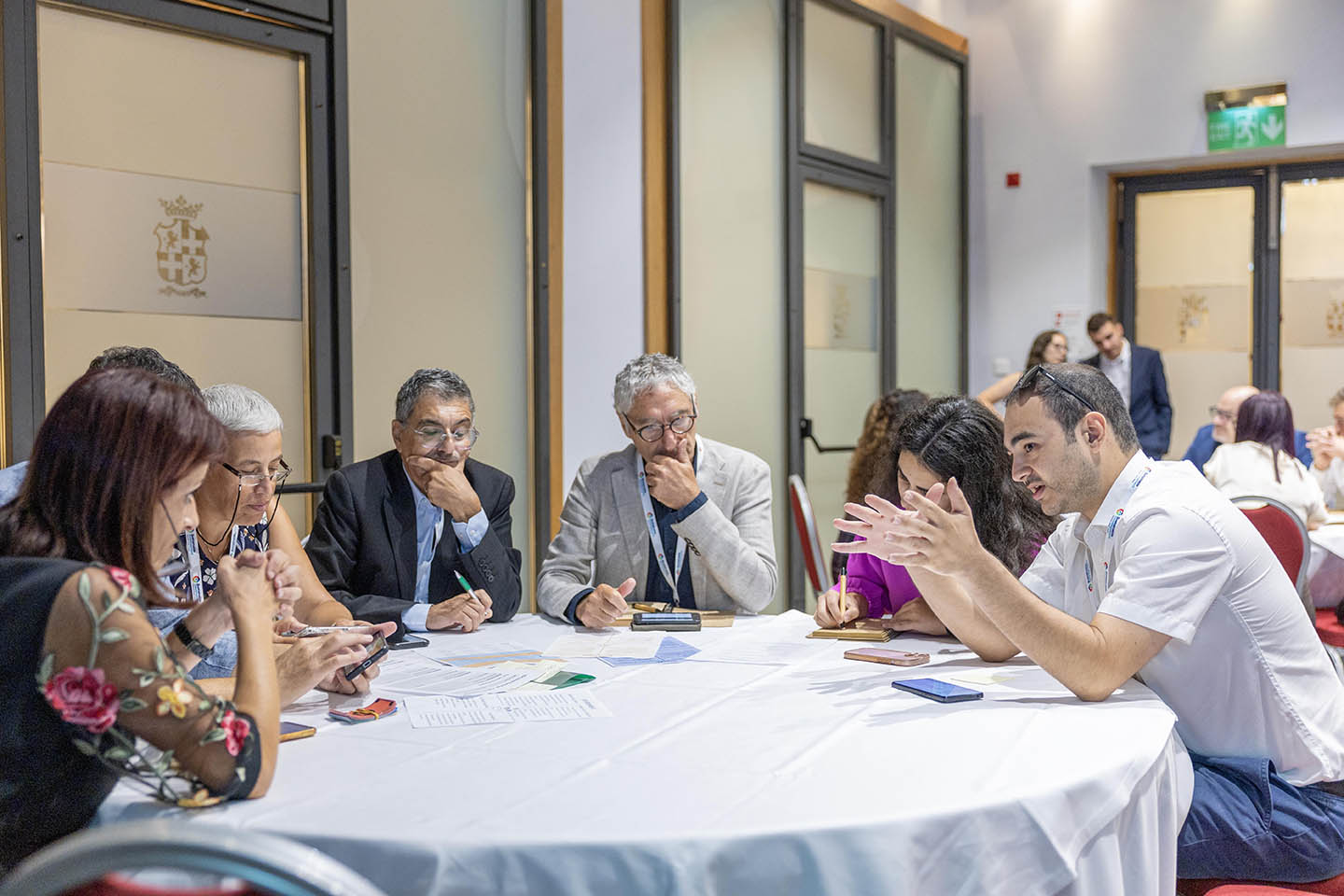
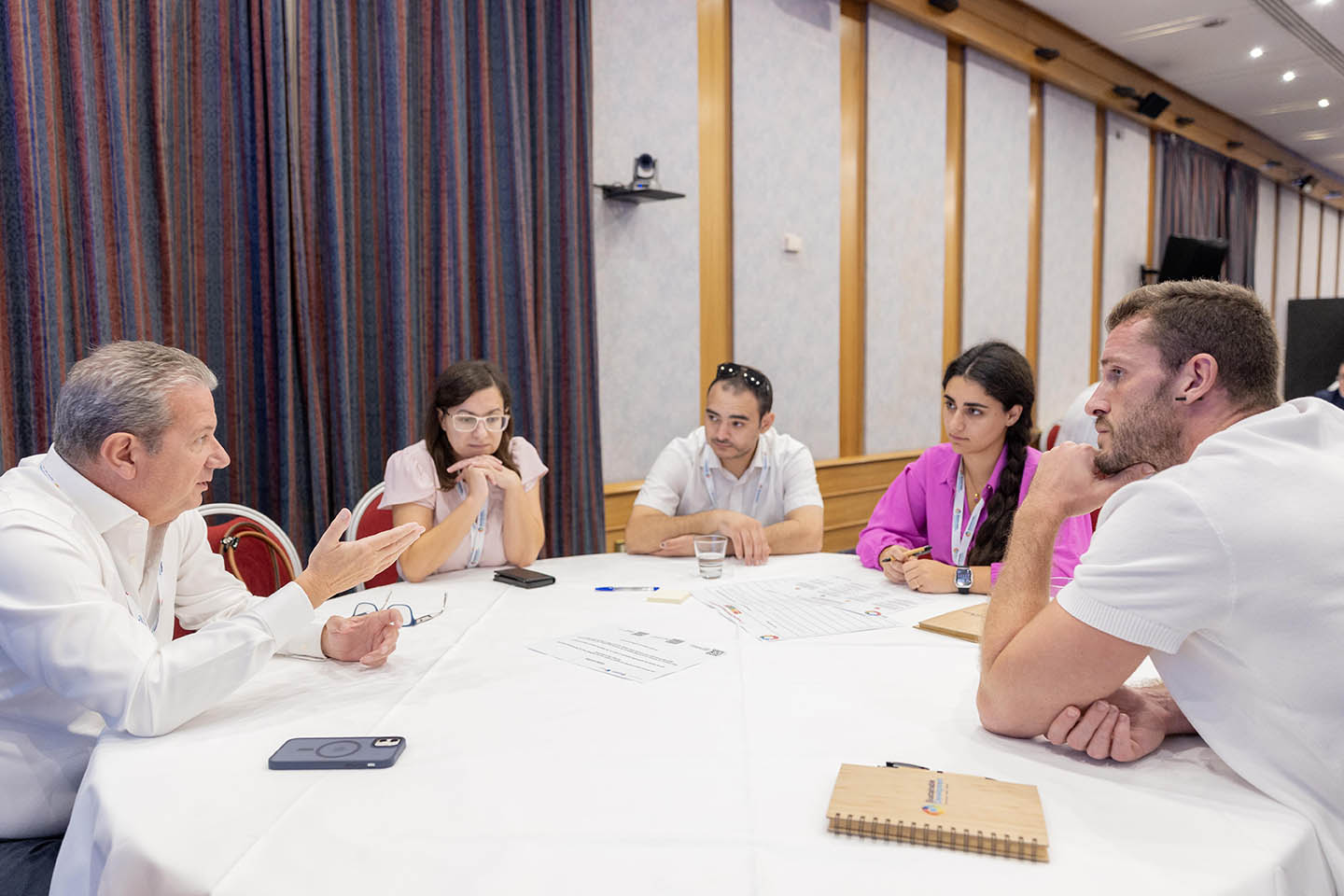
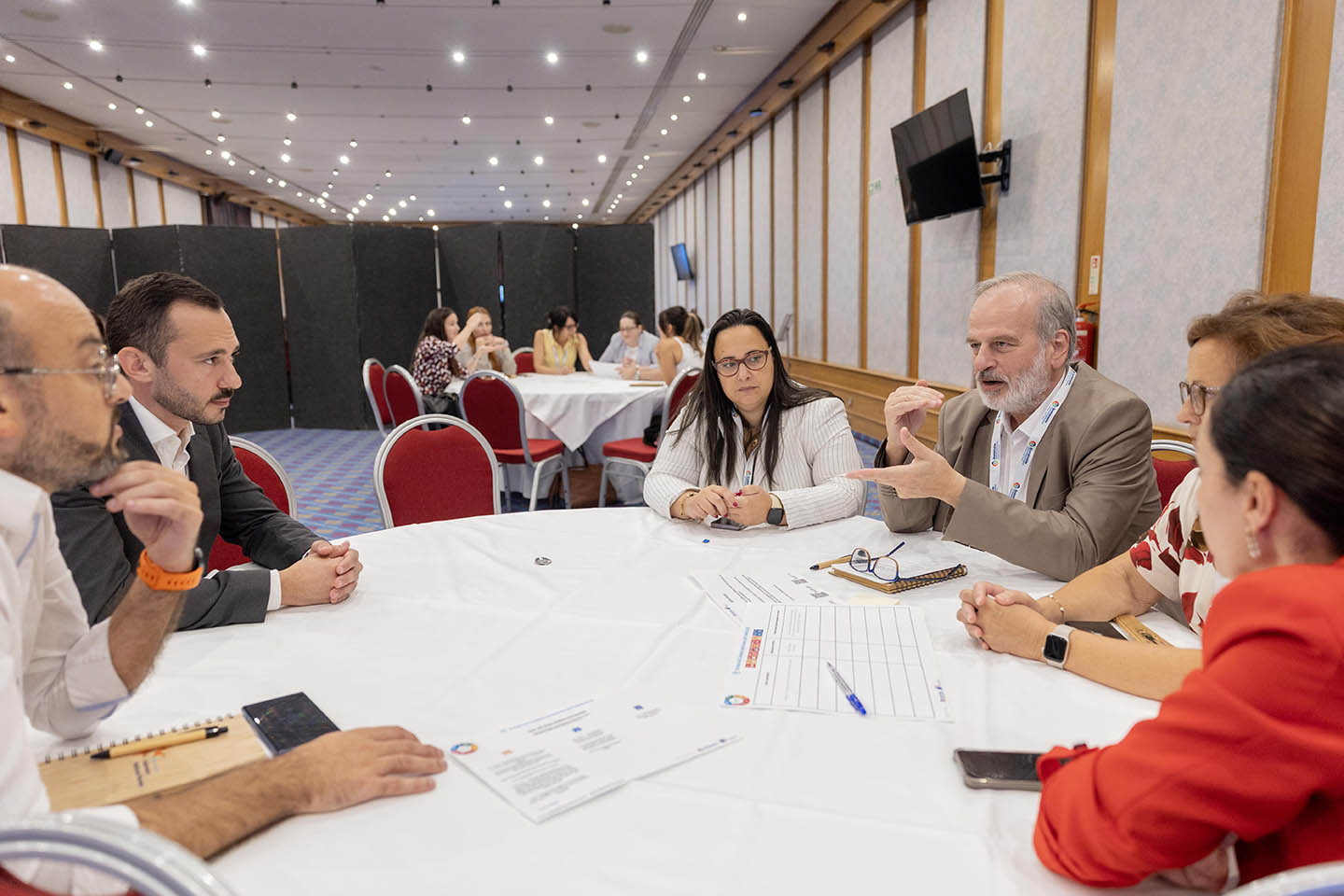
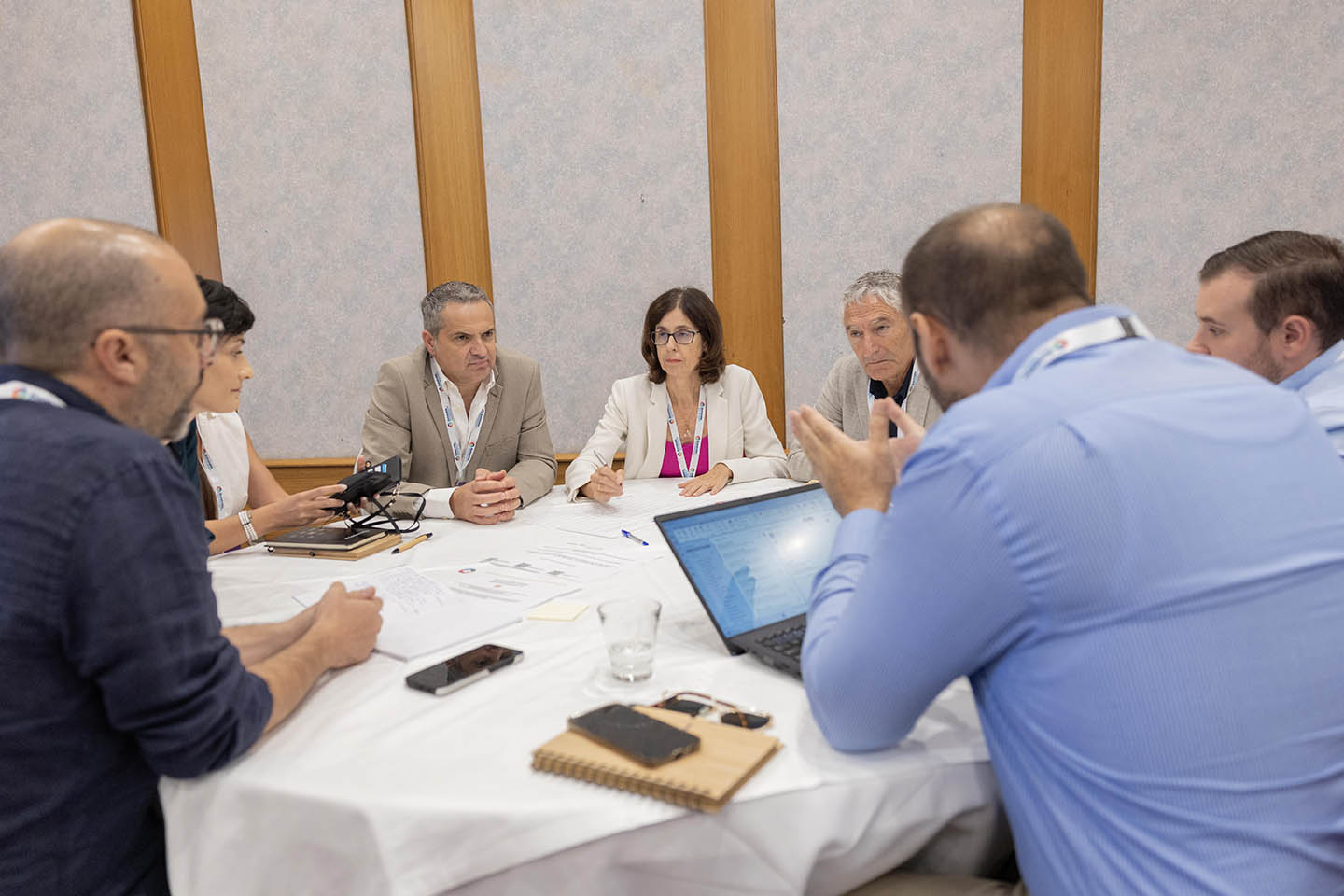
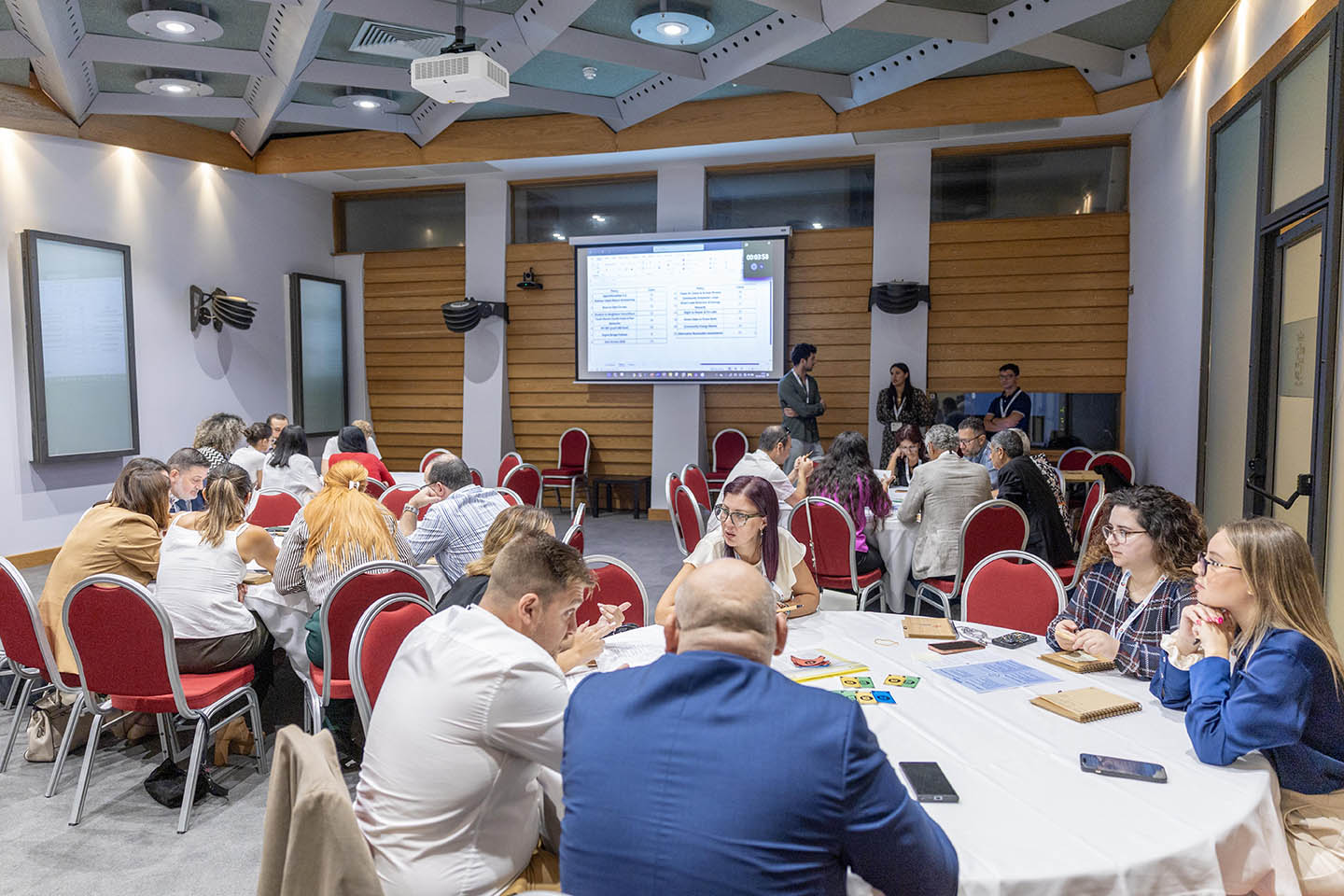
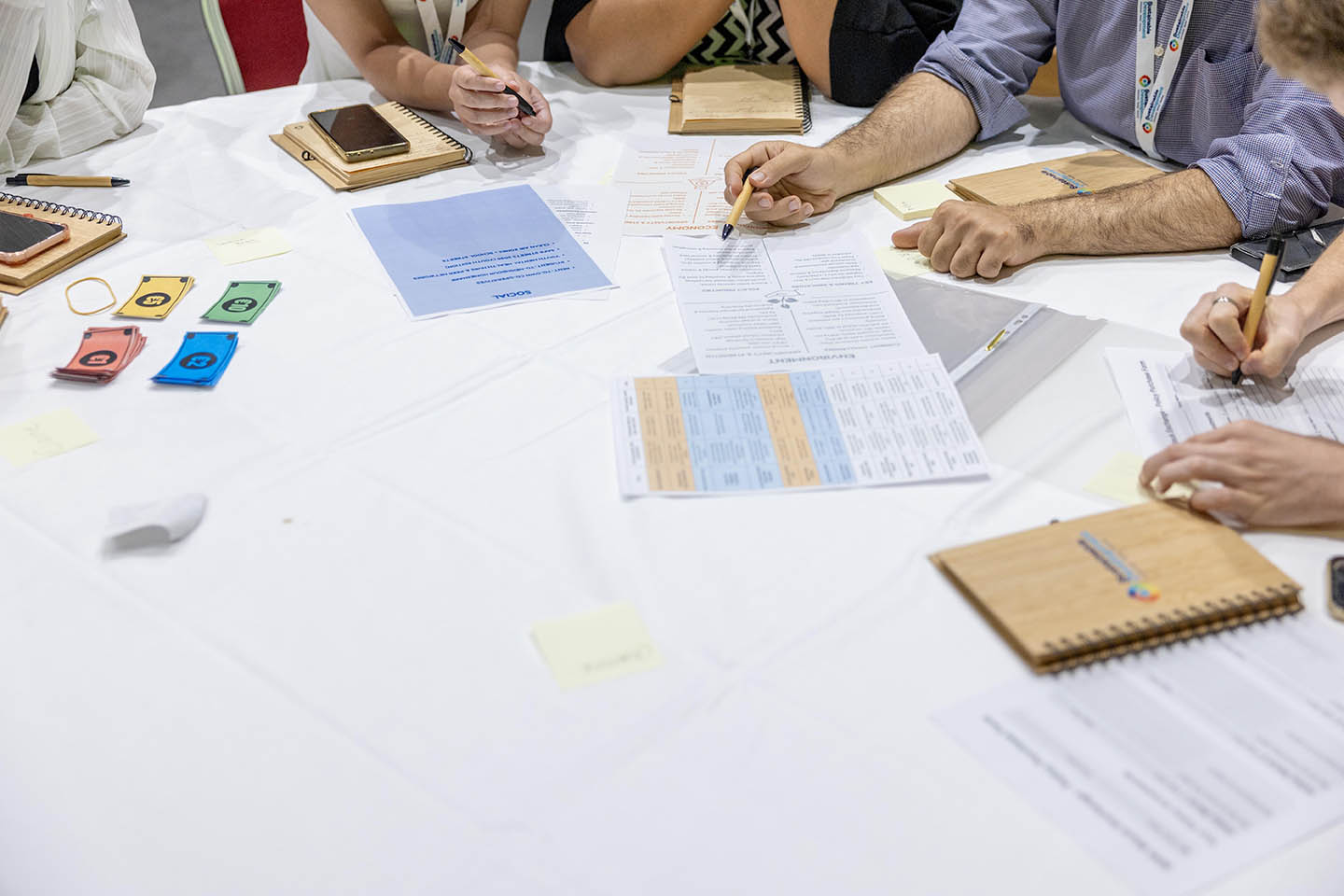
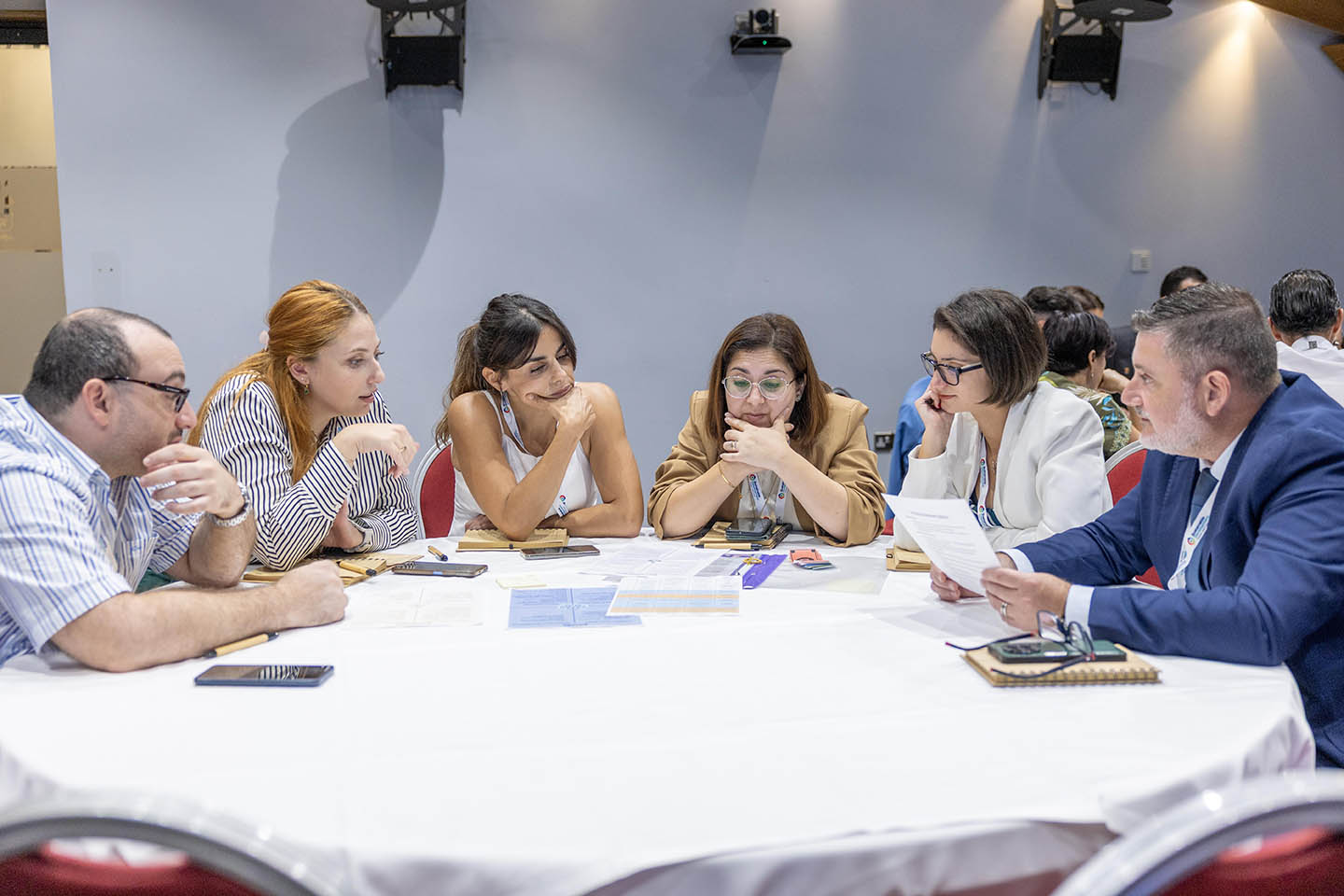
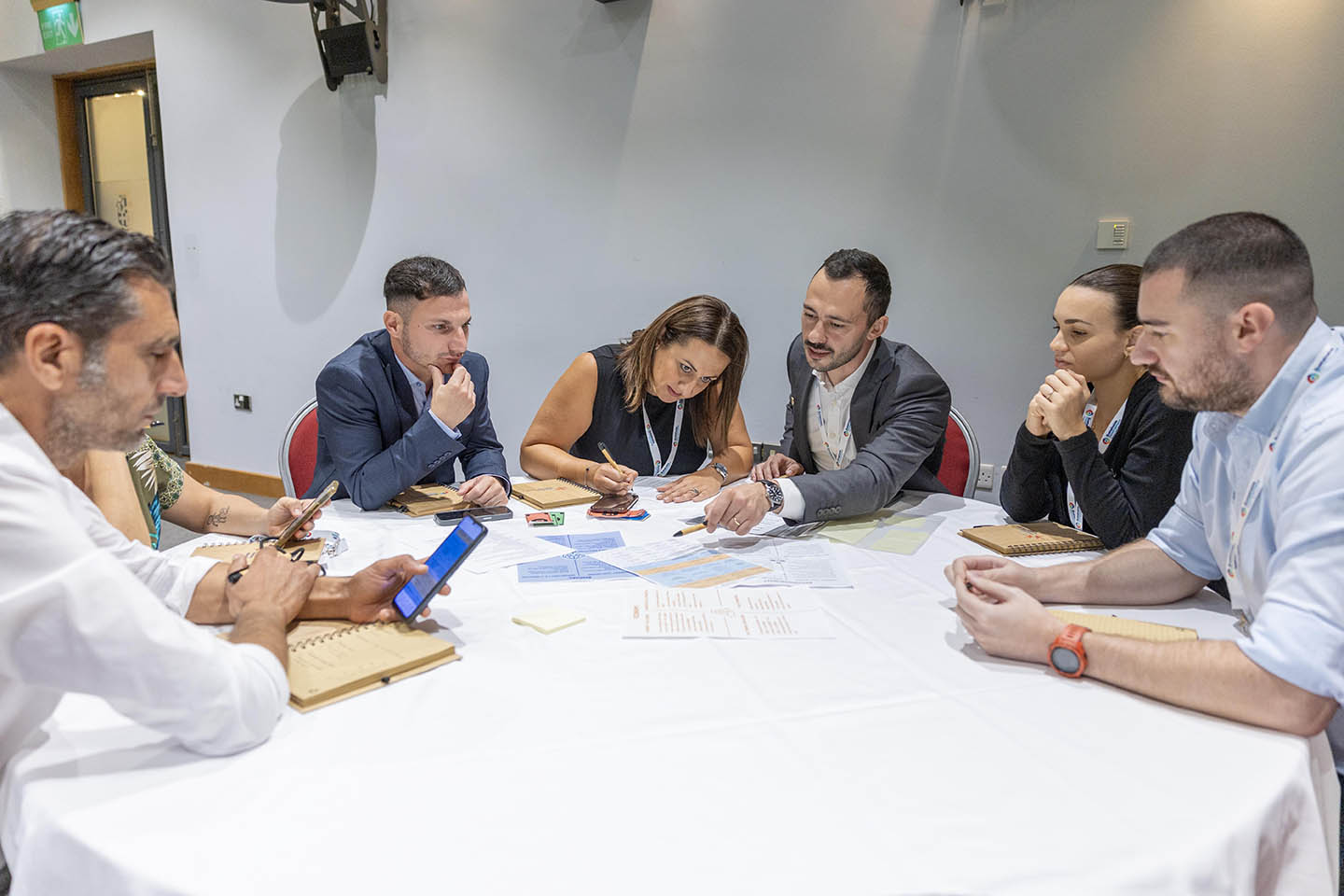
The Forum featured a series of workshops (delivered in various formats including panel discussions, presentation sessions, and interactive workshops), focusing on various thematic areas relating to the SDGs. These workshops aimed to provide an engaging space for dialogue, collaboration, and knowledge sharing among the different stakeholders. A total of nine workshops were organised across three sessions, with three workshops running concurrently in each session.
Welcome Coffee & Registration
8:45-9:30
Opening
9:30-10:00
Workshops
10:05-12:10
The role of the private sector in accelerating Malta’s Sustainable Development Strategic Goals and the UN’s SDGs
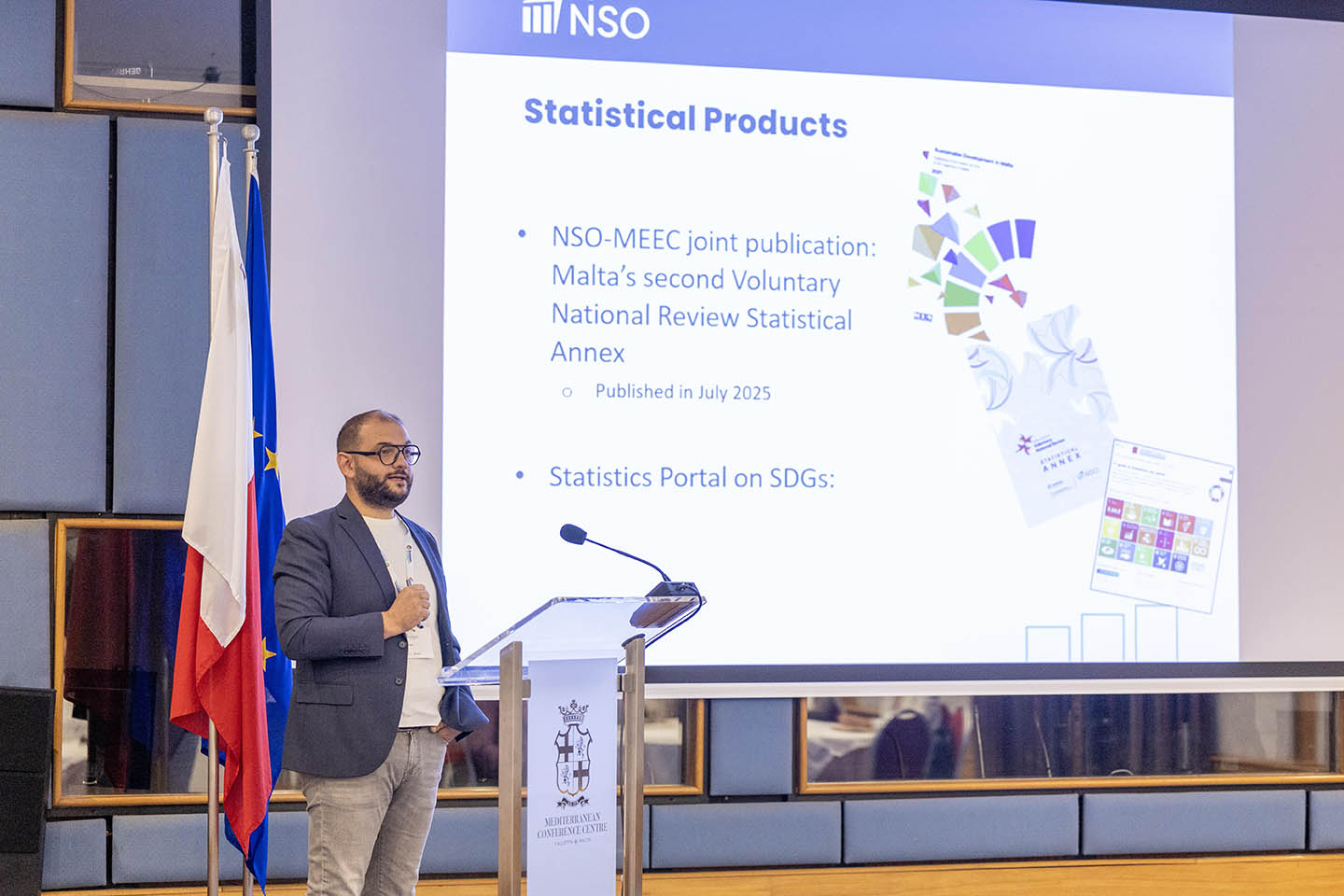
Panel Discussion featuring representatives from the Chamber of SMEs, the Malta ESG Alliance, Malta Enterprise, the MFSA, and the Malta Gaming AuthorityMeasuring Malta’s Progress: Statistics for Sustainable Development
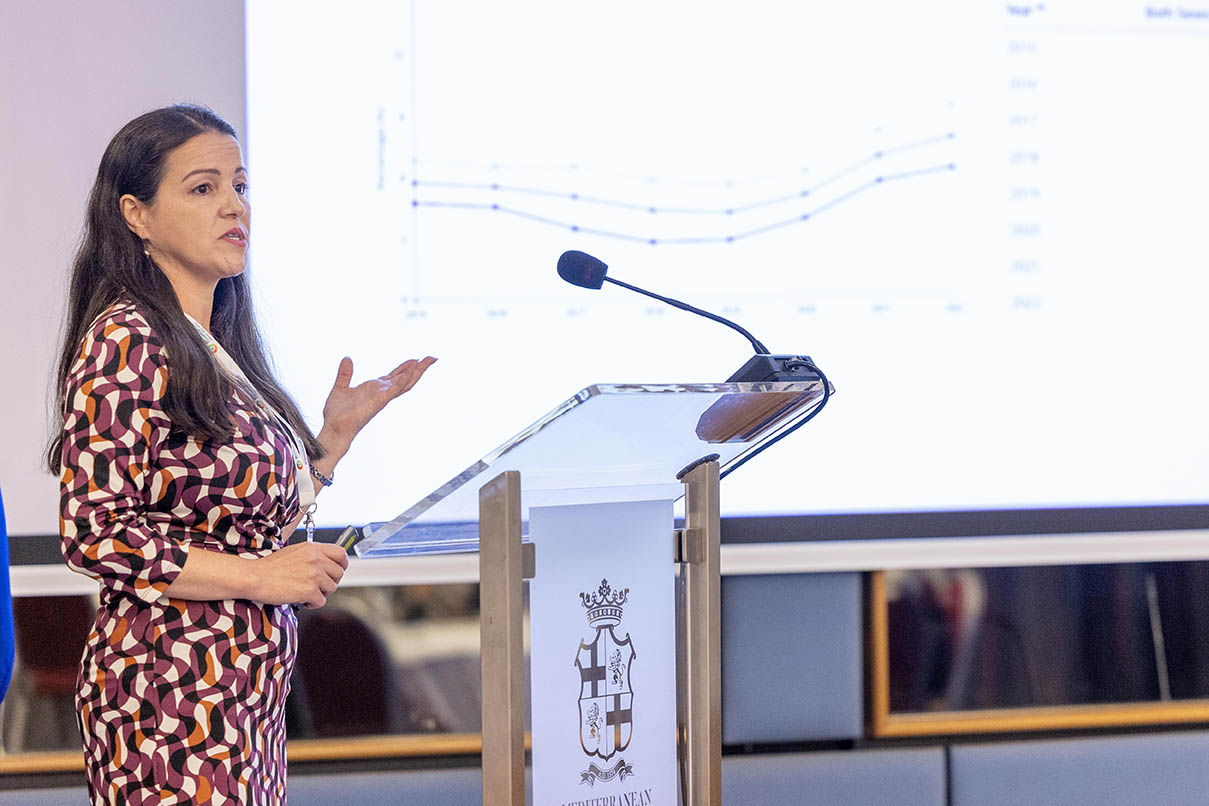
Presentation by the National Statistics Office of MaltaSustainability Through the Eyes of Malta’s Youth
Interactive Workshop led by Malta’s SDG Youth ChampionsTransitioning towards a climate-neutral green and blue economy whilst preserving sustainable urban development and cultural heritage
Interactive Workshops led by the Sustainable Development DivisionEnsuring healthy lives and wellbeing for all whilst achieving social fairness and prosperity
Interactive Workshops led by the Sustainable Development DivisionAccelerating digital transformation, smart mobility, and connectivity
Interactive Workshops led by the Sustainable Development DivisionLunch Break
12:15-13:15
Workshops
13:20-14:20
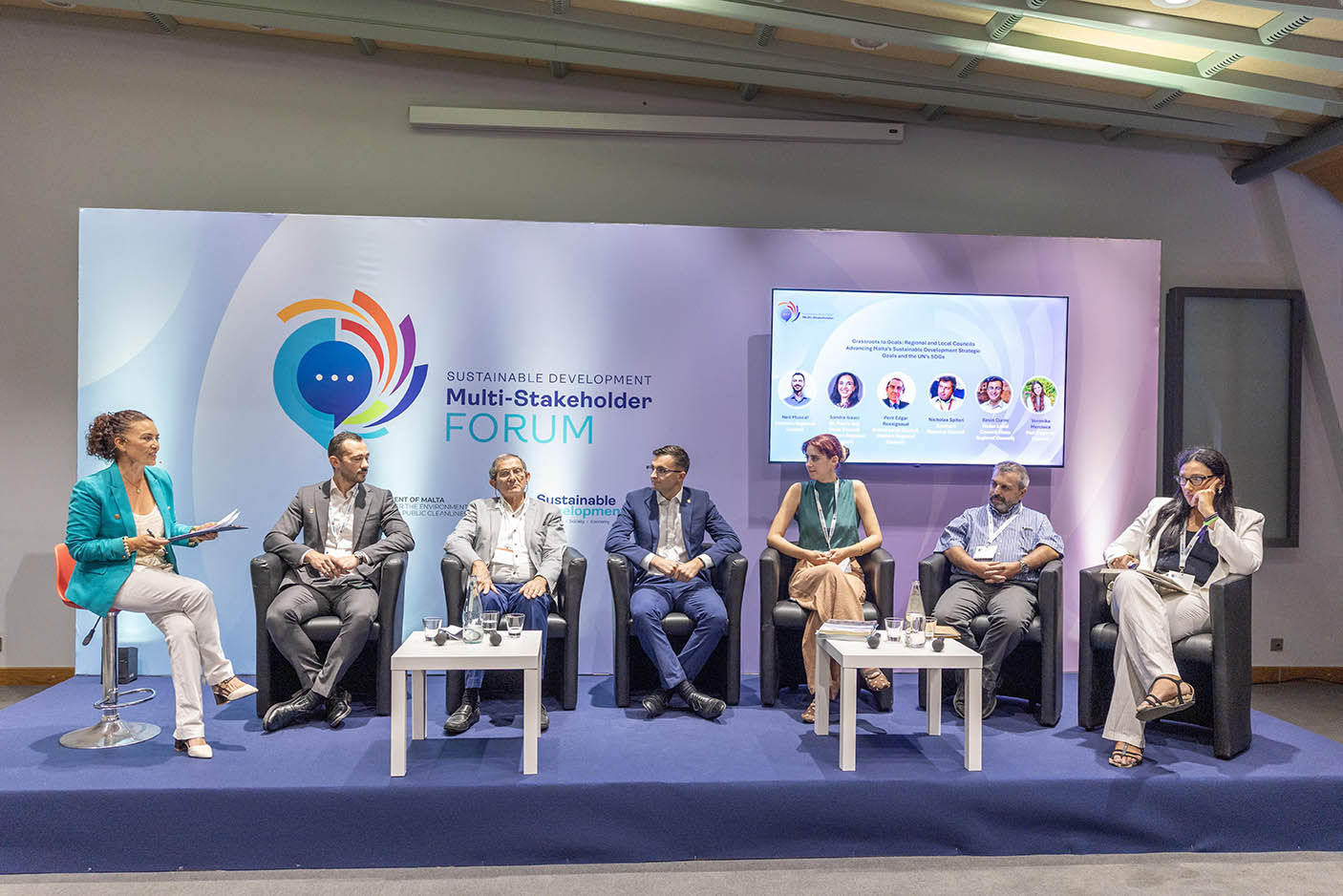
Grassroots to Goals: Regional and Local Councils Advancing Malta’s SD SGs and the UN’s SDGs
Panel Discussion featuring representatives from the Western, Northern, Eastern, Southern, Gozo, and Port Regional CouncilsCivil Society in Focus: Accelerating Sustainable Development through Collaboration and Partnerships
Panel Discussion featuring representatives from the Malta Council for the Voluntary Sector, the Malta Energy Efficiency and Renewable Energies Association, Nature Trust, KOPIN, the Sustainable Development Network, and the Malta Sociological AssociationDriving Change Through Knowledge: Research & Innovation for Sustainable Development
Presentation led by XjenzaMaltaClosing
14:25-15:00
2026
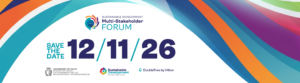
The Sustainable Development Directorate within the Ministry for Energy, the Environment and the Regeneration of the Grand Harbour (MEER) is pleased to announce the third edition of the Sustainable Development Multi‑Stakeholder Forum, taking place on Thursday, 12 November 2026, at the DoubleTree by Hilton. The Forum will run from 08:45 to 15:00.
As Malta continues its efforts to implement the United Nation’s 2030 Agenda for Sustainable Development, this year’s Forum provides an important opportunity to reflect on priority areas, assess strengths, and discuss the actions required to accelerate progress on the 17 Sustainable Development Goals (SDGs). The event will also support ongoing efforts to materialise Malta’s Sustainable Development Strategy for 2050.
As in previous editions, the Forum will welcome a broad range of stakeholders, including Government ministries and entities, regional and local councils, voluntary organisations, youth representatives, academics, and private‑sector organisations.
Participants can expect a full programme of workshops, panel discussions, and presentations, offering hands‑on engagement, cross‑sectoral dialogue, and opportunities for multi‑stakeholder collaboration.
Welcome Coffee & Registration
8:45 – 9:30
Opening
9:30 – 10:00
Workshops
10:05-12:10
Experts’ Voices: What Lessons Can We Learn from over 10 Years of SDGs?
This panel will bring together representatives from the Sustainable Development Directorate, the National Statistics Office, the voluntary organisation KOPIN, mapESD, the University of Malta, and the ESG Alliance to reflect on a decade of SDG implementation. Speakers will critically assess what has worked, what hasn’t, and what must change to accelerate progress in the face of growing national and international challenges.Policy Coherence for Sustainable Development: Capacity Building on Sustainable Development
This presentation session will be delivered and led by the Organisation for Economic Co-operation and Development (OECD). It will explore capacity building for Sustainable Development and how Malta can strengthen whole of government implementation of the 2030 Agenda by addressing the concrete skills gaps identified in the national SDG Skills Assessment.Malta’s SDG Youth Champions: Youth Perspectives & Solutions
Explore real-life sustainable development challenges through interactive case studies, working together to identify practical solutions to present problems and envision a sustainable future beyond 2030.This interactive session will be led by Malta’s SDG Youth Champions.Business, Innovation and Sustainability: How Can Malta Accelerate Private‑Sector Action on the SDGs?
This panel will bring together representatives from the Chamber of Commerce, the Malta Digital Innovation Authority (MDIA), Xjenza Malta, Toly Products Limited, and Malta Enterprise to explore how sustainability can drive innovation, practical examples of SDG-aligned initiatives in Malta, opportunities for the private sector, and the role of government support in helping businesses scale sustainable solutions.Research and Innovation for Sustainable Development: Research Showcase
This presentation session will feature academics shortlisted for Malta’s Sustainable Development Action Awards 2025, and their respective research, namely, Professor Ruben Paul Borg, Professor Joseph Borg, and Dr Therese Bajada.Leaving No One Behind: Challenges and Opportunities in Malta
This workshop will feature discussions centred around lived experiences of persons with disability in collaboration with the Ministry for Inclusion and the Voluntary Sector, the Commission for the Rights of Persons with Disability (CRPD), and Agenzija Sapport.Lunch Break
12:15-13:15
Workshops
13:20-14:20
Sustainable Communities in Practice
Discover how Local and Regional Councils and Voluntary Organisations are translating the Sustainable Development Goals into tangible action within their communities. This panel will feature representatives from the Eastern and Northern Regional Councils, and the VOs ACT, the Wave of Change Foundation, and the Malta Industrial Heritage Association.Sustainable Development Statistics: Where Malta Stands Today
This interactive presentation session will be delivered and led by Malta’s National Statistics Office. Learn more about Malta’s performance across various Sustainable Development Goals as we explore data collected through the sdgindicators.nso.gov.mt platform.Guardian of Future Generations - A Promise to the Future
This workshop, led by the Guardian of Future Generations, invites participants to explore sustainability through joy, imagination, connection, and legacy to future generations.Closing
14:25-15:00